
Patriot Viper Fin PC3-15000 (DDR3-1866) 2GB Kit
Patriot's new Viper Fin DDR3-1866 memory delivers on all counts with great cooling and performance. Enthusiasts will also find what they need with Intel XMP profiles and lots of extra bandwidth for manual overclocking. Read our full review after the jump.

Patriot DDR3-1866 Re-visited, Now with XMP
Back in December, we reviewed one of the first DDR3-1866 rated memory modules around, a Patriot Extreme Performance PC3-15000 (PDC32G1866LLK). There was one caveat though, the Patriot Extreme Performance PC3-15000 was really just regular DDR3-1066 memory qualified to operate up to DDR3-1866. It was only meant for overclockers and enthusiast consumption. For the average consumer, the Patriot Extreme Performance PC3-15000 would only be detected as standard DDR3-1066 because it did not have any SPD settings for a higher speed grade.
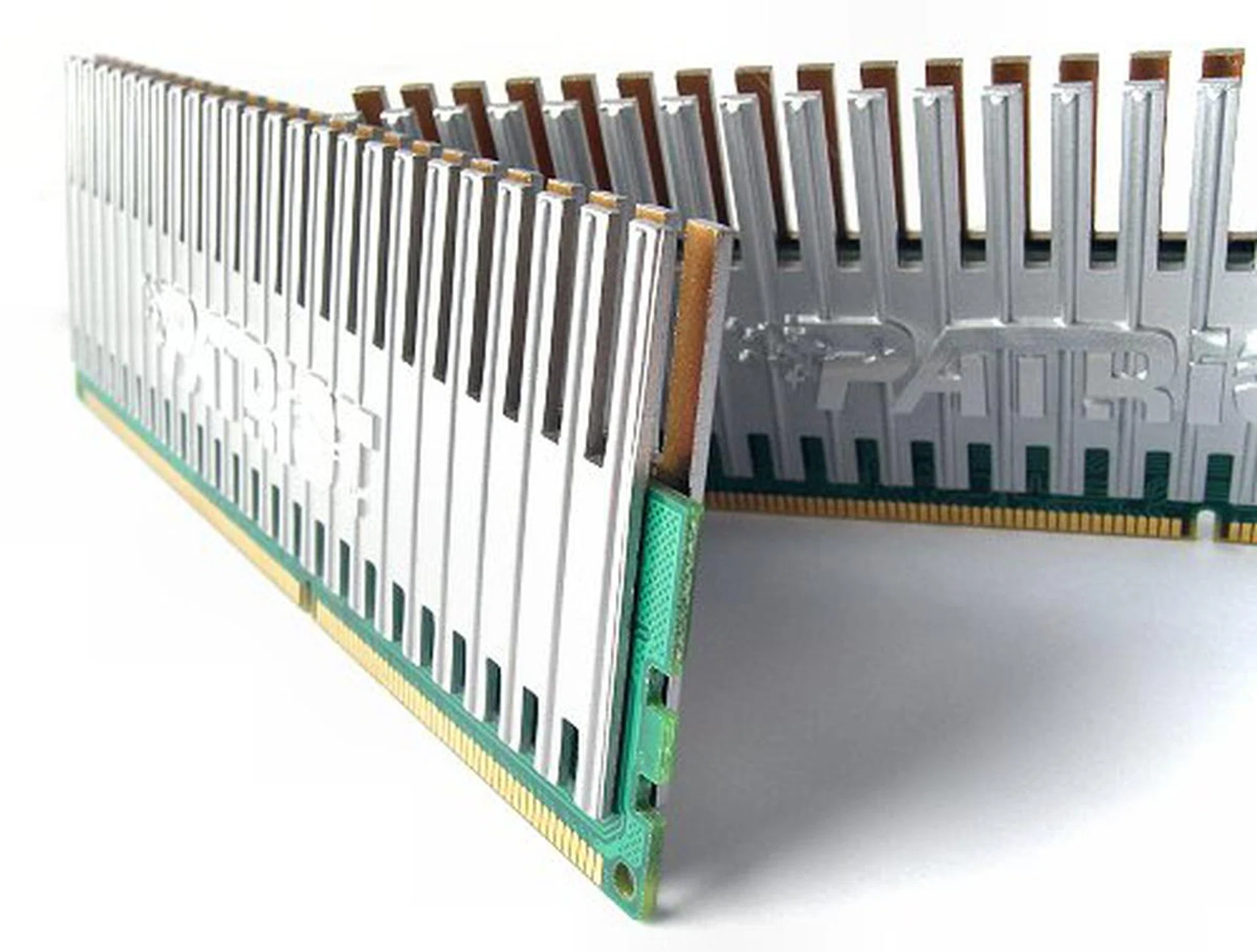
Patriot DDR3-1866 memory again, but this time with a new look and new features.
Patriot has now released a new DDR3-1866 Extreme Performance kit, and this time, there's something for everyone. The new kit (PVS32G1866LLK) is packaged with Patriot's Viper Fin heat-spreader too, which looks more 'extreme' than the older mundane set. Patriot's specially designed Viper Fin is of a copper/aluminum composite. The inner copper layer is in contact with the chipset, while the outer finned area is made of aluminum for heat dissipation. Throughout the duration of our review, we've got to admit that the Patriot Viper Fin DDR3-1866 was the coolest memory we've worked with in a while - literally. It just could never get hot. Even under full load and over-volted up to 2.5V, the memory was only slightly warm to the touch. Zapping it with a laser thermometer yielded an outer temperature of 27 degrees (Celcius) and inner temperature of 30 degrees.
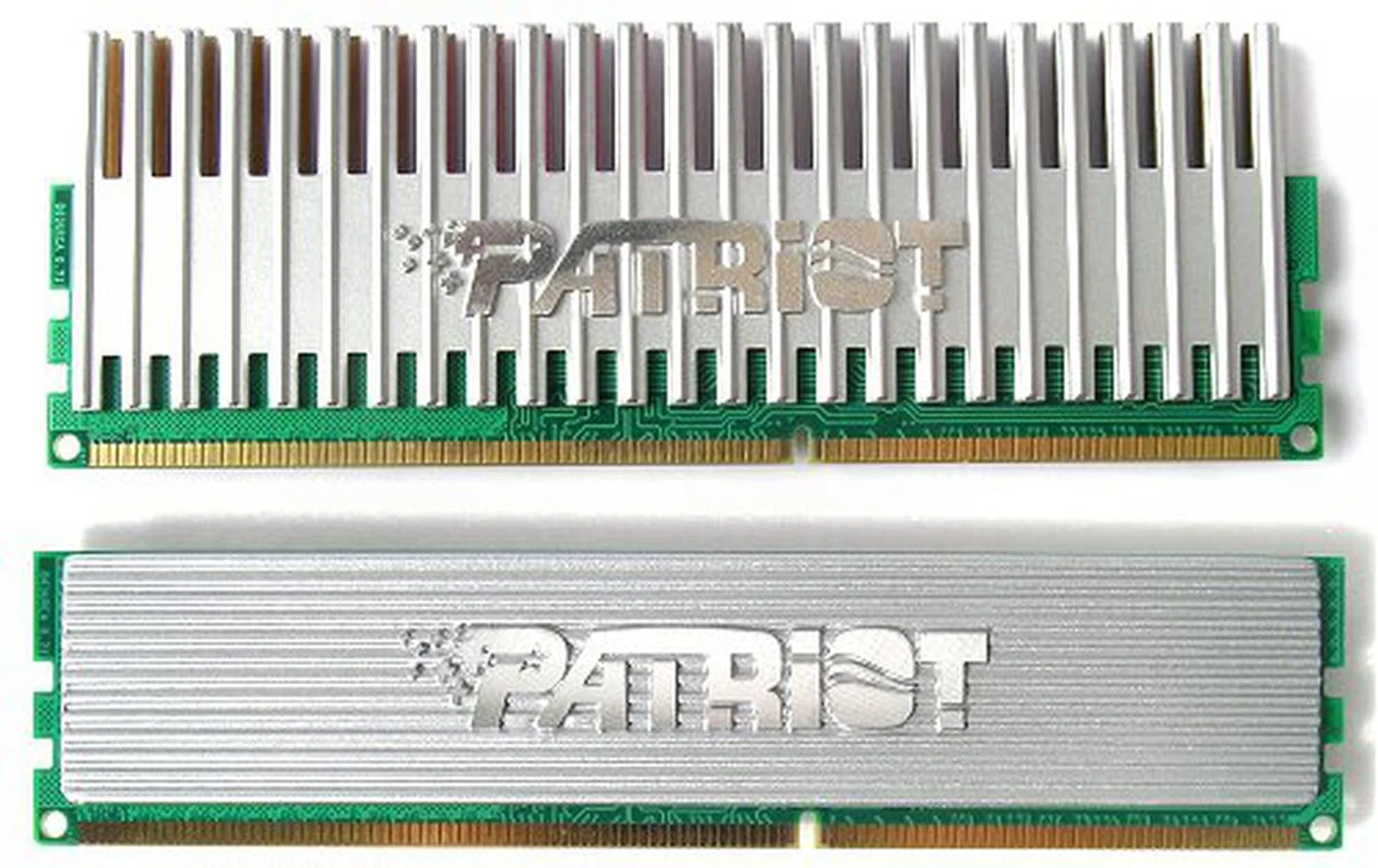
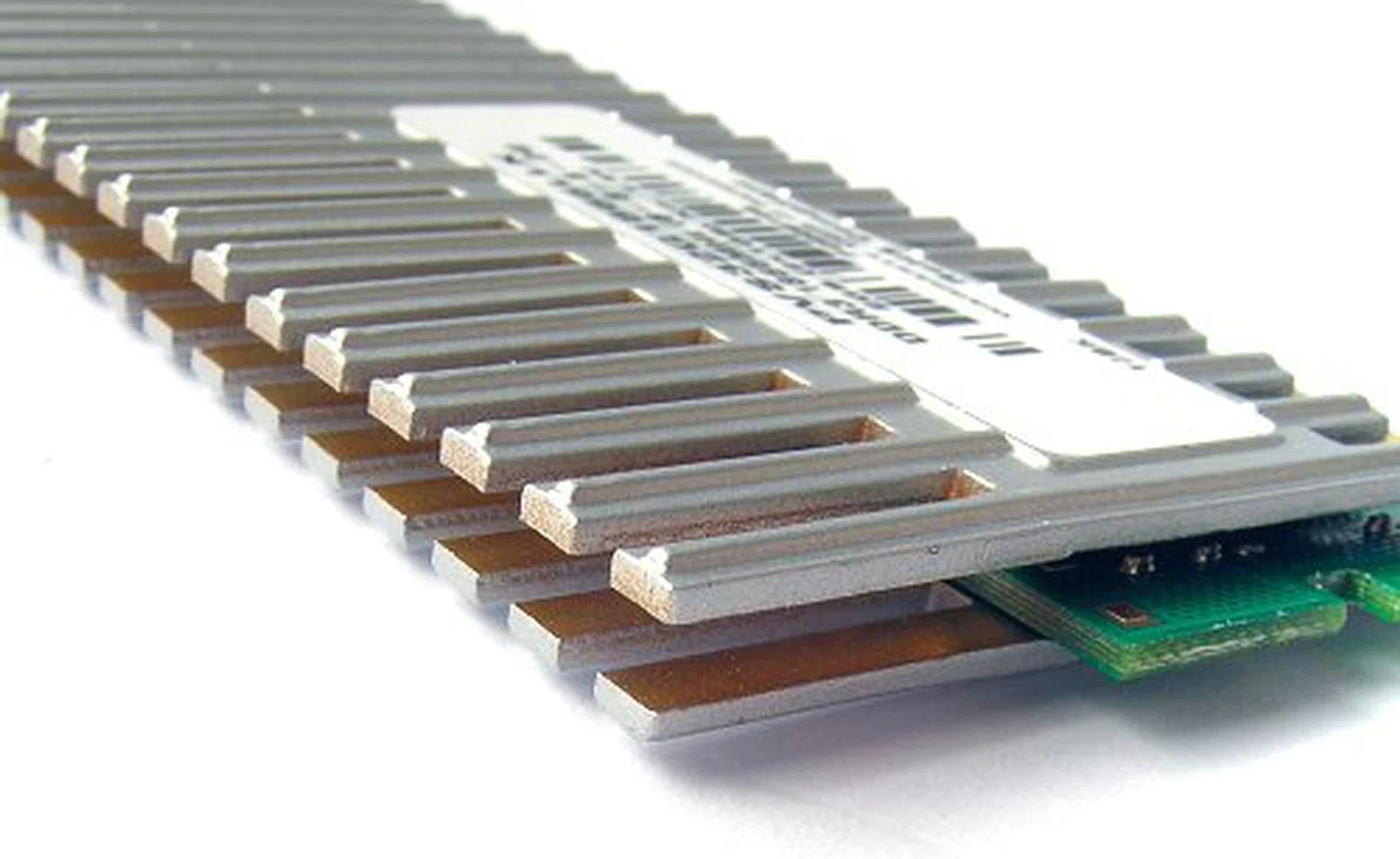
Physical features aside, the Patriot Viper Fin DDR3-1866 comes with Intel XMP support. This means that when used with an Intel motherboard that supports XMP memory (Intel X38, X48), it will automatically adjust your system parameters to achieve its optimal rated speed. Unlike the older PDC32G1866LLK set, the Viper Fin memory does not specifically require users to be overclockers in order to take advantage of its higher speed rating.
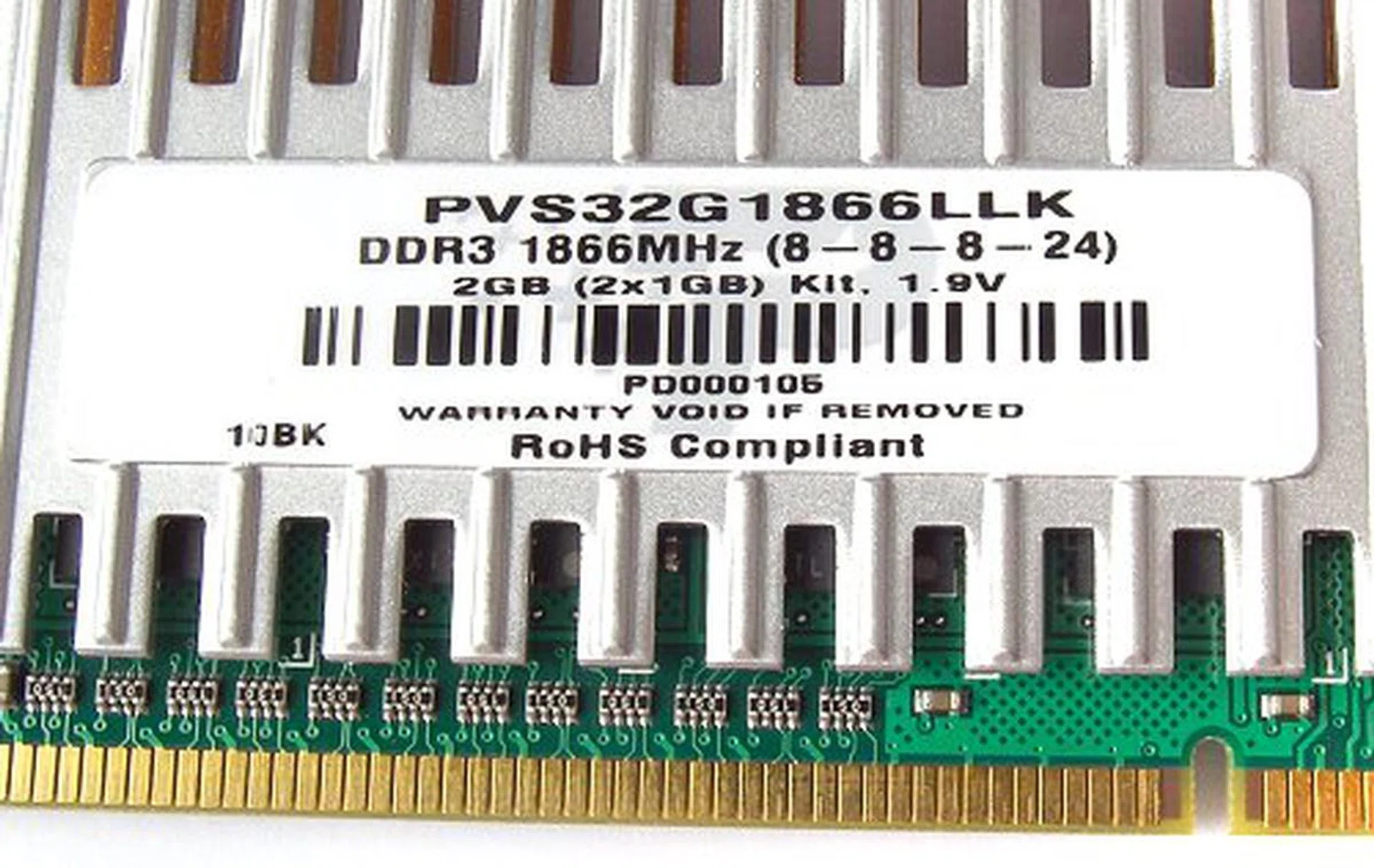
Operating specifications for the Viper Fin DDR3-1866 memory.
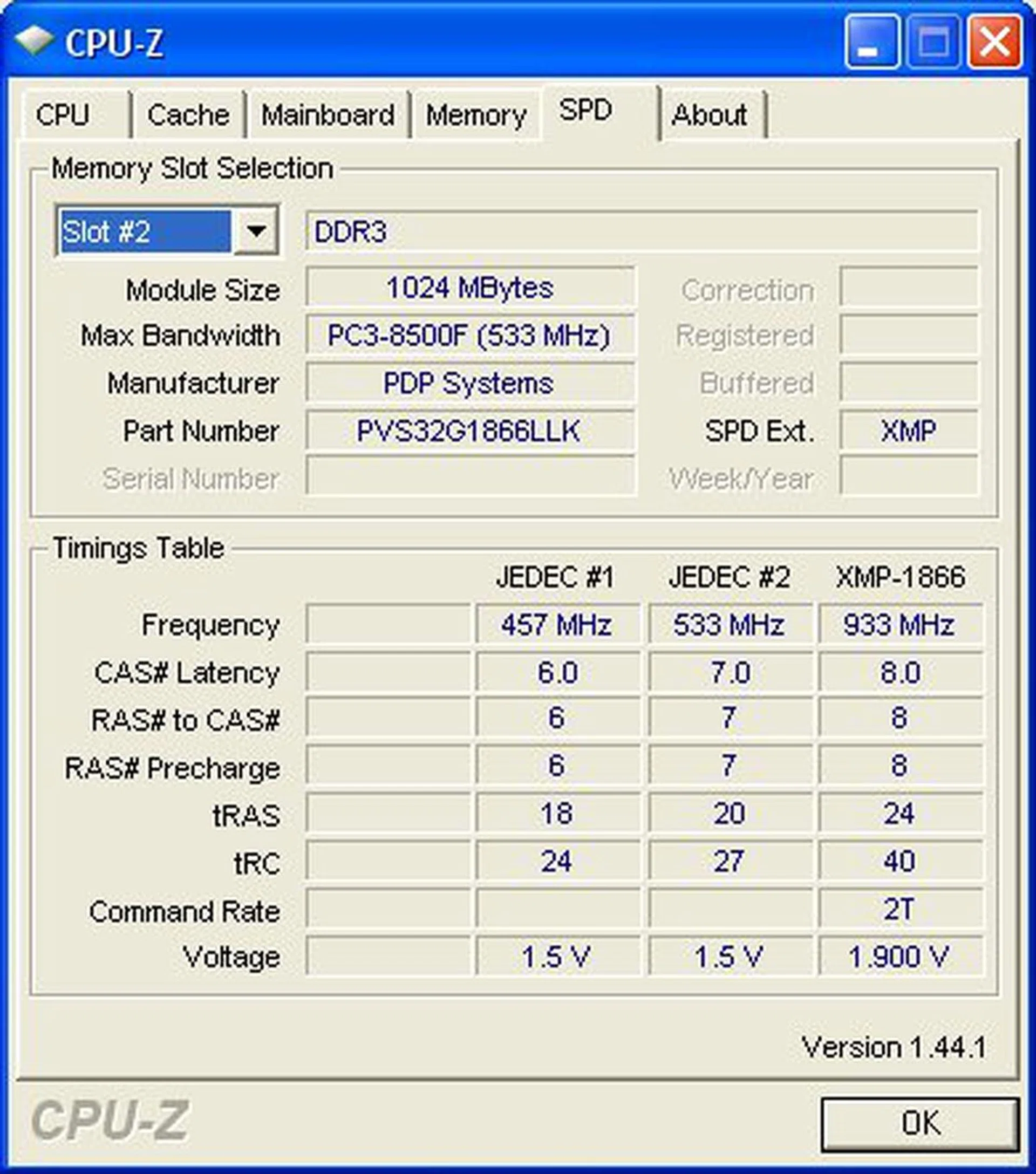
Like the previous Extreme Performance memory, the Viper Fin memory is also based on DDR3-1066 chips, but has an XMP profile setting for DDR3-1866.
However, before we go on into performance testing, there is something to be said about XMP. While the Viper Fin supports this new profile setting, there are restrictions to its application. Firstly, you need to have an XMP capable motherboard. That's a given. Secondly, XMP is basically an extended profile setting - similar to NVIDIA's EPP memory - that overclocks the memory modules. There is no magic here, all the rules of overclocking, FSB, clock and divider ratios remain.
Most current Intel X38 and X48 motherboards have a maximum FSB:RAM ratio of 1:1. A 1333MHz FSB system should be able to run DDR3 at 1333MHz. To run DDR3-1600, you will need a 1600MHz system. Thus, using the same logic, you actually need a system capable of running at 1866MHz FSB (that's CPU and motherboard) in order to run DDR3-1866. When we reviewed the non-XMP Patriot DDR3-1866 memory, this issue was touched upon. XMP merely cuts through part of the hassle, by automatically setting up your system to run the RAM at 1866MHz. This includes overclocking your FSB to 1866MHz. You, the User, will still need to make sure that your CPU and other components can be scaled respectively to operate at these speeds.
XMP only guarantees your memory. Not your whole system.
Test Setup
Now that we're on the same page on the whole XMP system, let's get to benchmarking this baby. Besides XMP, there are a some notable differences between the older Extreme Performance DDR3-1866 and Viper Fin DDR3-1866 memory. Firstly, it would seem like the Viper Fin has looser timings, rated at 8-8-8-24 against 8-8-8-20 of the Extreme Performance modules. However, the Viper Fins does seem superior. It worked right off the bat at DDR3-1866 using its XMP profile on our standard ASUS P5E3 Deluxe motherboard. This was achieved with its rated 1.9V voltage as well. If you remember, we were unable to run the older Extreme Edition at 1866MHz speeds. In the end, the highest stable operating frequency we managed to achieve was 1840MHz, and only with 2.0V voltage.
For benchmarking purposes, we will re-use the same set of numbers from our Patriot Extreme Performance DDR3-1866 review. We actually expect the performance to be similar, since the differences between the two are only technical. Kingston HyperX DDR3-1333 memory results are included as a base comparison.
- Intel Core 2 Extreme QX6850 processor
- ASUS P5E3 Deluxe (Intel X38)
- 2 x 1GB Patriot Viper Fin DDR3-1866 XMP @ 1866MHz (8-8-8-24)
- 2 x 1GB Patriot Extreme Performance DDR3-1866 @ 1840MHz (8-8-8-20)
- 2 x 1GB Kingston HyperX DDR3-1333 @ 1333MHz (7-7-7-20)
- Seagate Barracuda 7200.10 200GB SATA hard disk drive (one single NTFS partition)
- MSI GeForce 8600 GTS 256MB - with ForceWare 162.18 drivers
- Intel INF 8.3.0.1013/AHCI 7.5.0.1017
- Microsoft Windows XP Professional with Service Pack 2 (and DirectX 9.0c)
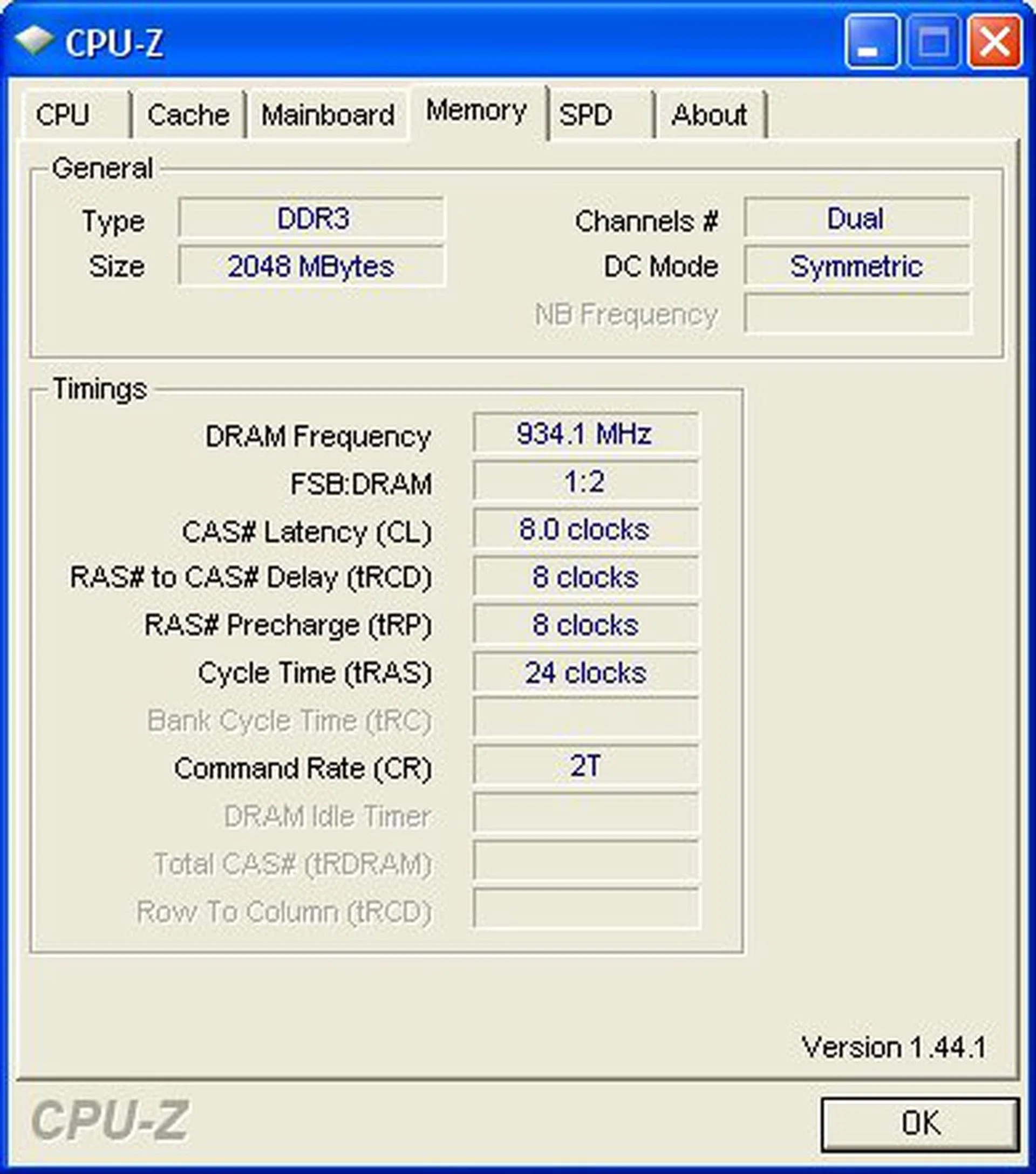
Default XMP operating timings.
Benchmarks
The following benchmarks will be used to determine the performance of the Patriot Viper Fin DDR3-1866 memory:-
- BAPco SYSmark 2007 Preview
- Futuremark PCMark05
- SPECviewperf 10.0
- Futuremark 3DMark06
- Unreal Tournament 2004
- Quake 4
- AquaMark3
Results - Futuremark PCMark05
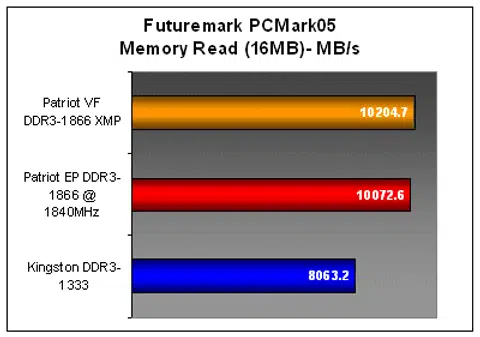
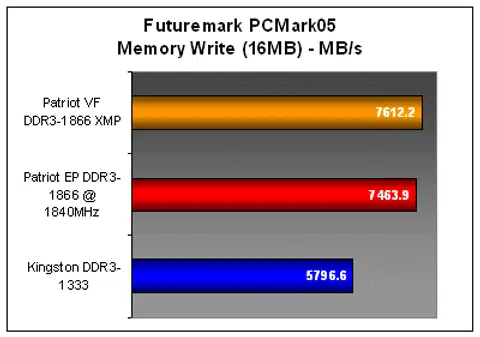
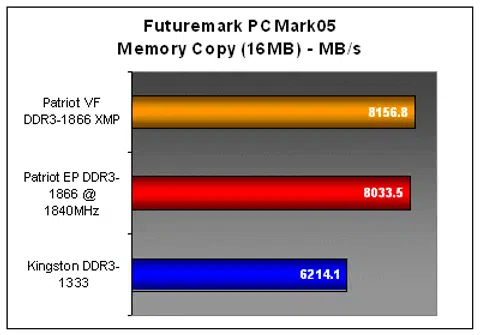
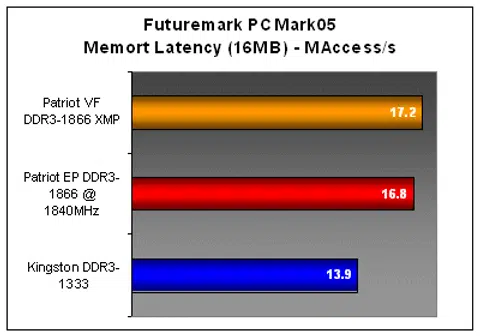
As expected, the performance between the Extreme Performance and Viper Fin memory were almost identical. Still, the Viper Fin managed to be the faster of the two in all the different tests due to the fact that it was operating at a slightly higher frequency.
Results - BAPco SYSmark 2007 Preview
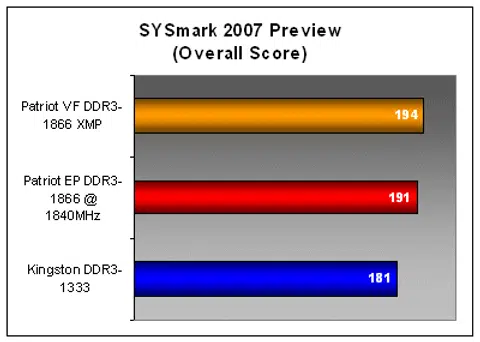
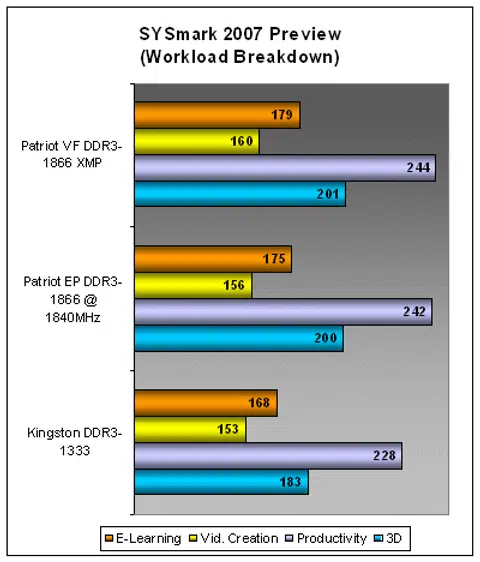
SYSmark 2004 results showed more or less the same trend with the Viper Fin memory leading the normal Extreme Performance RAM by a few points in every workload. The performance gains were less telling in the 3D and Productivity workloads, but were quite substantial in E-Learning and Video Creation, closely matching the kind of gains we observed going up from the Kingston DDR3-1333.
Since the frequency jump in the Viper Fin memory is really just a small 30MHz, it would seem like there are other XMP optimizations that contribute to such gains.
Results - SPECviewperf 10.0
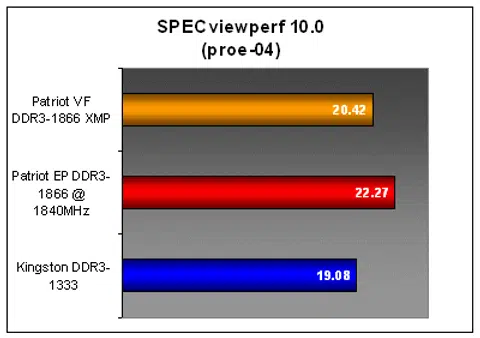
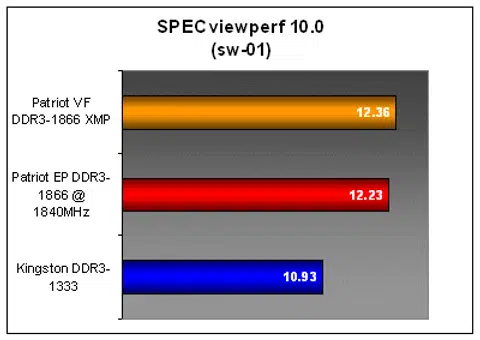
SPECviewperf was the only benchmark in our whole set that posted lower performance for the Viper Fin. Based on individual workloads, the Viper Fin memory managed to top every other test except for the Pro/ENGINEER set, which was surprising as it was one of the more memory intensive workloads. We've tried running the test again, but our results stayed the same.
Results - Gaming Benchmarks
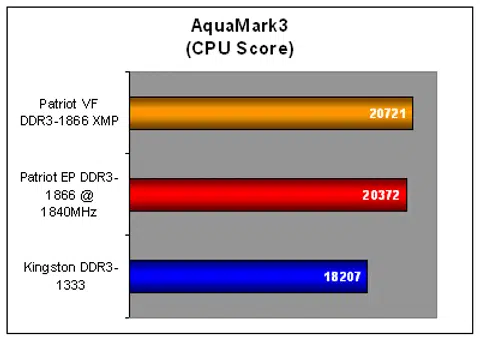
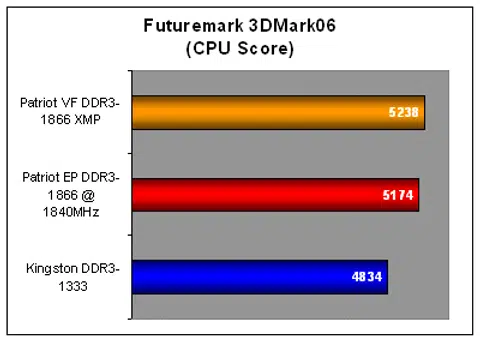
Looking at synthetic benchmark numbers for system and CPU performance, you can see that the Viper Fin memory is a little faster in both AquaMark3 and 3DMark06. More importantly, with the XMP setting, the Viper Fin was able to run at a faster FSB (albeit slightly), which does affect graphics performance as well.
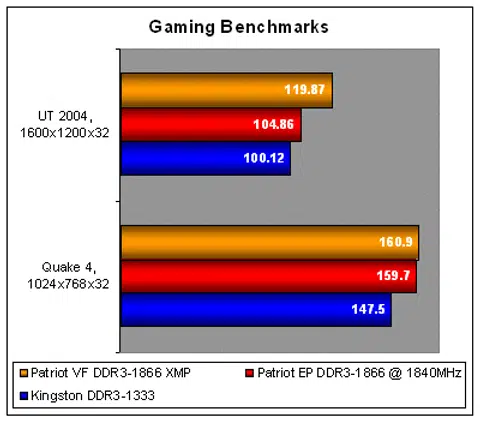
In real world games, you can expect more or less the same performance. Since the tiny amount of gains from a 30MHz faster memory won't equate to much, as you can see from our Quake 4 scores. We continue using Unreal Tournament 2004 in this review because its frame rates seem to scale well with hardware configuration changes. Other than SYSmark 2007 Preview, UT 2004 was another benchmark that showed higher than expected results between the two Patriot DDR3-1866 memory SKUs.
Overclocking
Technically, you can't really overclock the Patriot Viper Fin DDR3-1866 memory anymore because it is already running at a 1:1 ratio with FSB. In order to overclock the memory, you'll have to keep increasing your system FSB, and at 467MHz, there is already very little room to grow anymore. From our experience, Intel Core 2 Duo based motherboards are able to overclock, on average, up to 480MHz.
In our own tests, we managed to get our board (ASUS P5E3 Deluxe) to run at 2000MHz FSB (500MHz base). At this setting, the Patriot Viper Fin DDR3-1866 memory could sustain a stable system with 9-9-9-28 latency timings at 1.9V as well. That's 2000MHz folks, which goes to show that the memory does have bandwidth to spare for overclocking. Sadly, for an Intel X38/X48 platform, 467MHz is already reaching the upper limits for conventional overclockers.
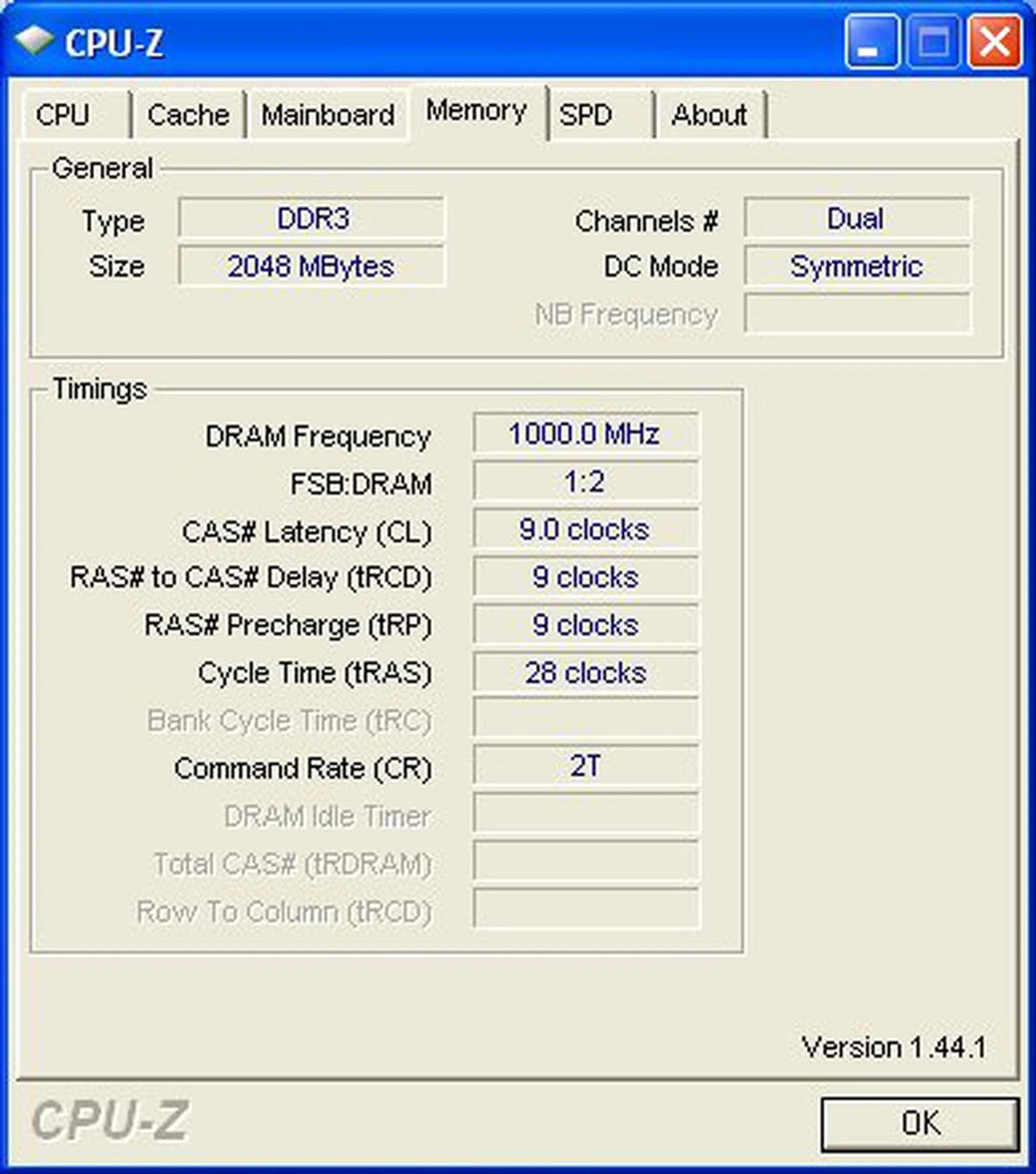
Manual overclock to 2000MHz is still possible, but your motherboard may not agree.
We also tried to tweak the latency timings on the Viper Fin modules, and managed to get them running at 8-8-8-20 with a 1T command rate completely stable without needing to up the voltage.
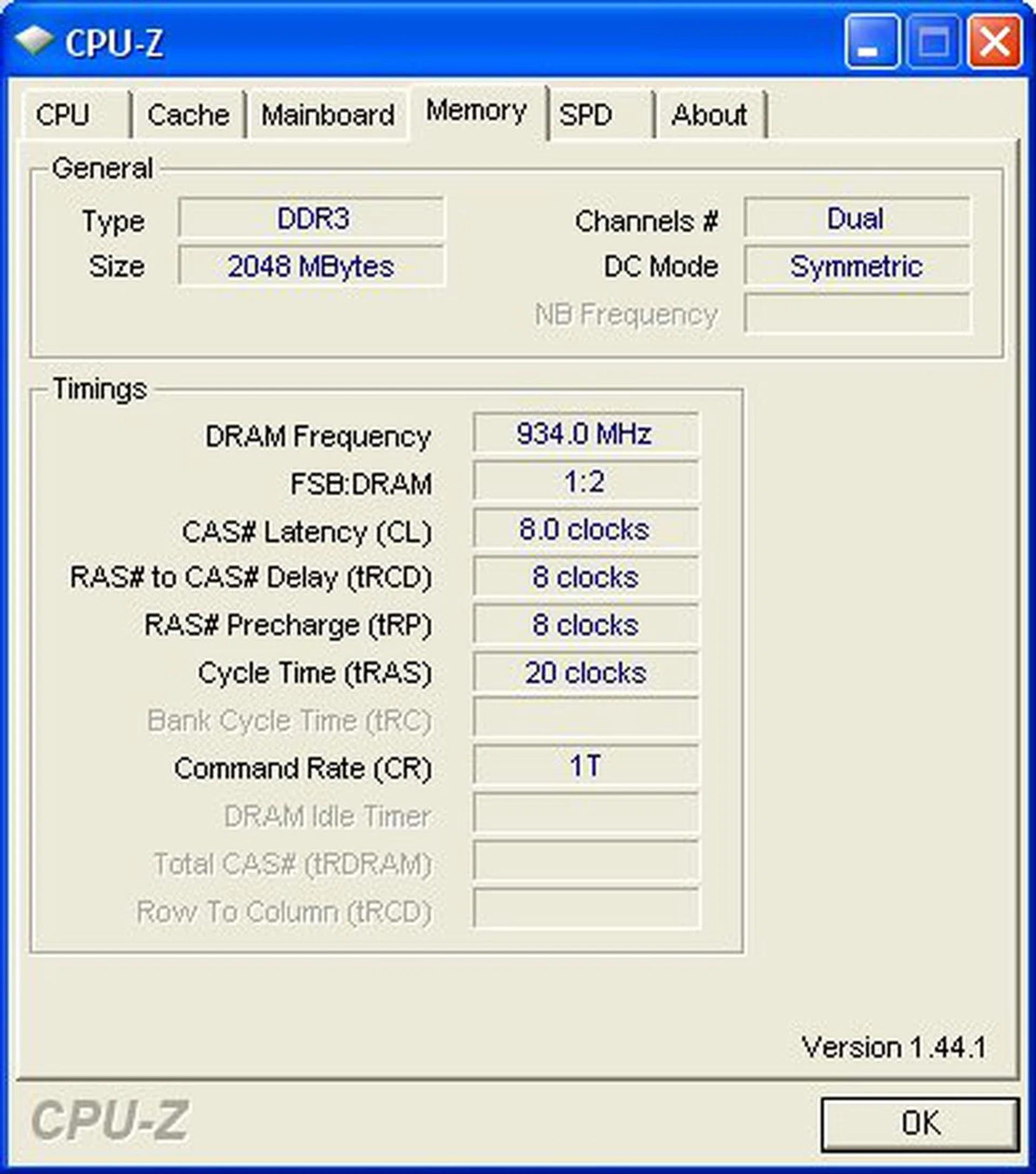
At DDR3-1866, you can run the Viper Fins at 1T CMD Rate.
Conclusion
Patriot has really done themselves proud with their Viper Fin series and the implementation of this version of DDR3-1866 is the one to look out for if you want enthusiast memory with performance to spare. Compared to the original Extreme Performance DDR3-1866 memory we reviewed late last year, the Viper Fin is an improvement in every aspect.
Physically, the Viper Fin heat-spreader provides incredible cooling capabilities that the standard design was unable to provide, something we were genuinely impressed with.
Technically, XMP inclusion ensures that the memory complies with Intel's standards and is more likely to succeed to operate at its rated speeds than the non-XMP Extreme Performance RAM. Of course, XMP only applies if you're using it on a motherboard that supports XMP in the first place. However, from our overclocking tests, we've proven that the memory has loads of bandwidth, pushing 2000MHz with no issues. We were actually a little disappointed that the original Extreme Performance DDR3-1866 was literally running at the very edge of its capabilities before, but overclockers should have a field day with the Viper Fin edition.
With better cooling, better performance, and better overclockability, the Patriot Viper Fin DDR3-1866 memory sets a standard for performance DDR3 memory to match.
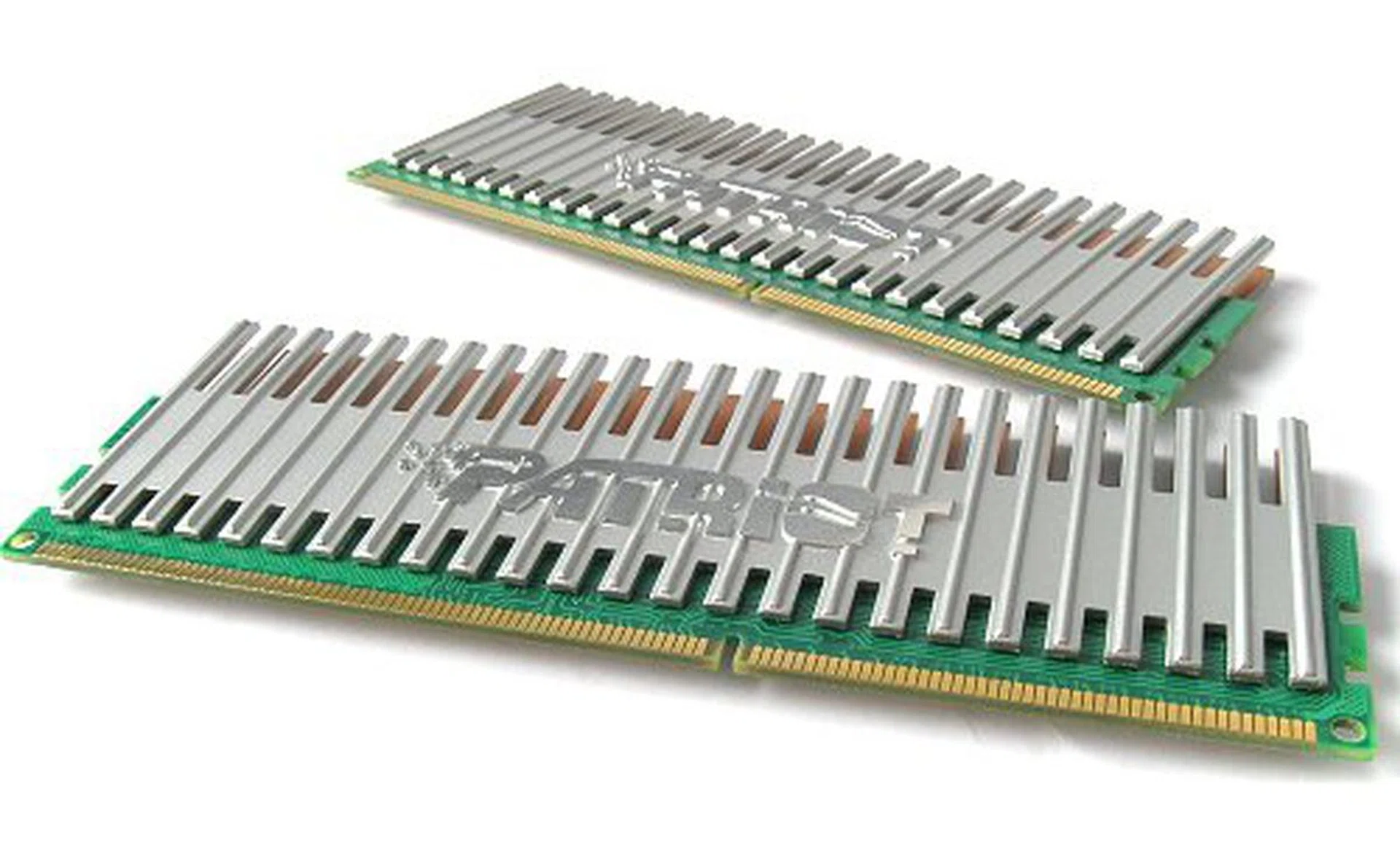
Patriot Viper Fin DDR3-1866 memory sets a new standard for performance DDR3 memory.
Our articles may contain affiliate links. If you buy through these links, we may earn a small commission.