
BlackBerry Bold 9700 - Twice as Bold
In a time when there was just too many phones to choose from, RIM's BlackBerry Bold 9000 was a real gem amongst the sea of devices. Now, the definitive product from the Canadian company has a new successor, the BlackBerry Bold 9700. But will it gain the popularity enjoyed by its earlier sibling? We reveal all in this review!

Twice as Bold
2008 has been a definitive year for the Canadian company, Research in Motion (RIM). RIM's BlackBerry Bold 9000 came out tops as one of the most-liked and user-friendly device amongst not only RIM's lineup, but also across its competition including Nokia, HTC and Samsung. And like most devices, a successor is always in the making. Introduced as the BlackBerry Bold 9700, the successor to the original Bold comes with some minute changes, in the hardware and software department.
So the question is - if you're currently a Bold 9000 user, is it time to upgrade? Else, if you're in the market for a smartphone with physical QWERTY keyboard capabilities, how does the Bold 9700 perform? We'll answer all these questions in the next few pages, right after giving you a quick peek at the Bold 9700 and its full specifications.
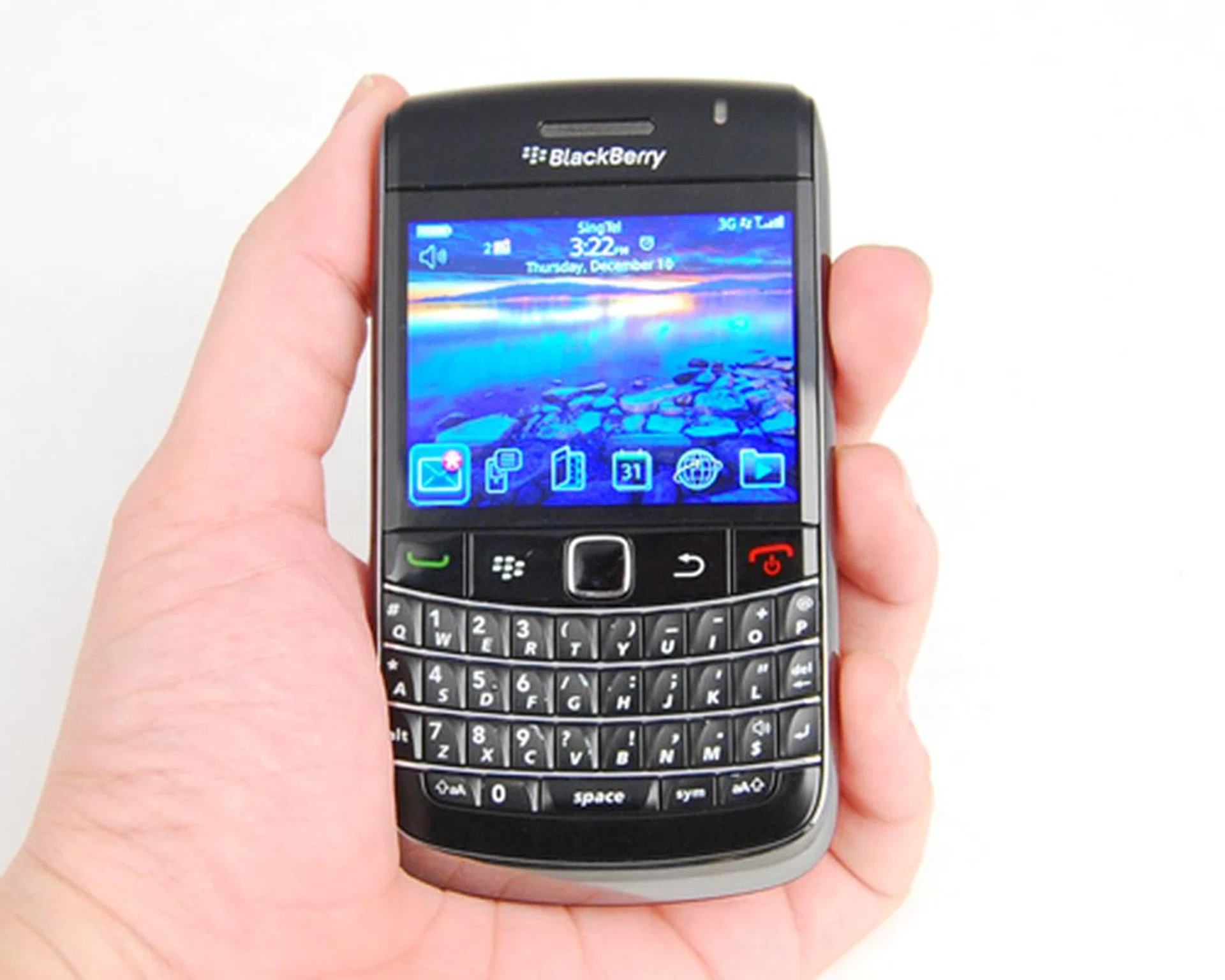
BlackBerry Bold 9700
Small but Bold
Some, like us, loved the overall design of the Bold 9000, with the right amount of girth, weight and usability of its QWERTY keyboard. So, when we laid our eyes on the Bold 9700, we were taken aback at how much smaller it looks compared to its predecessor. The new compact build is geared towards an audience that wished for a more space-saving device. However, we'd prefer the more solid build and larger dimensions of the Bold 9000.
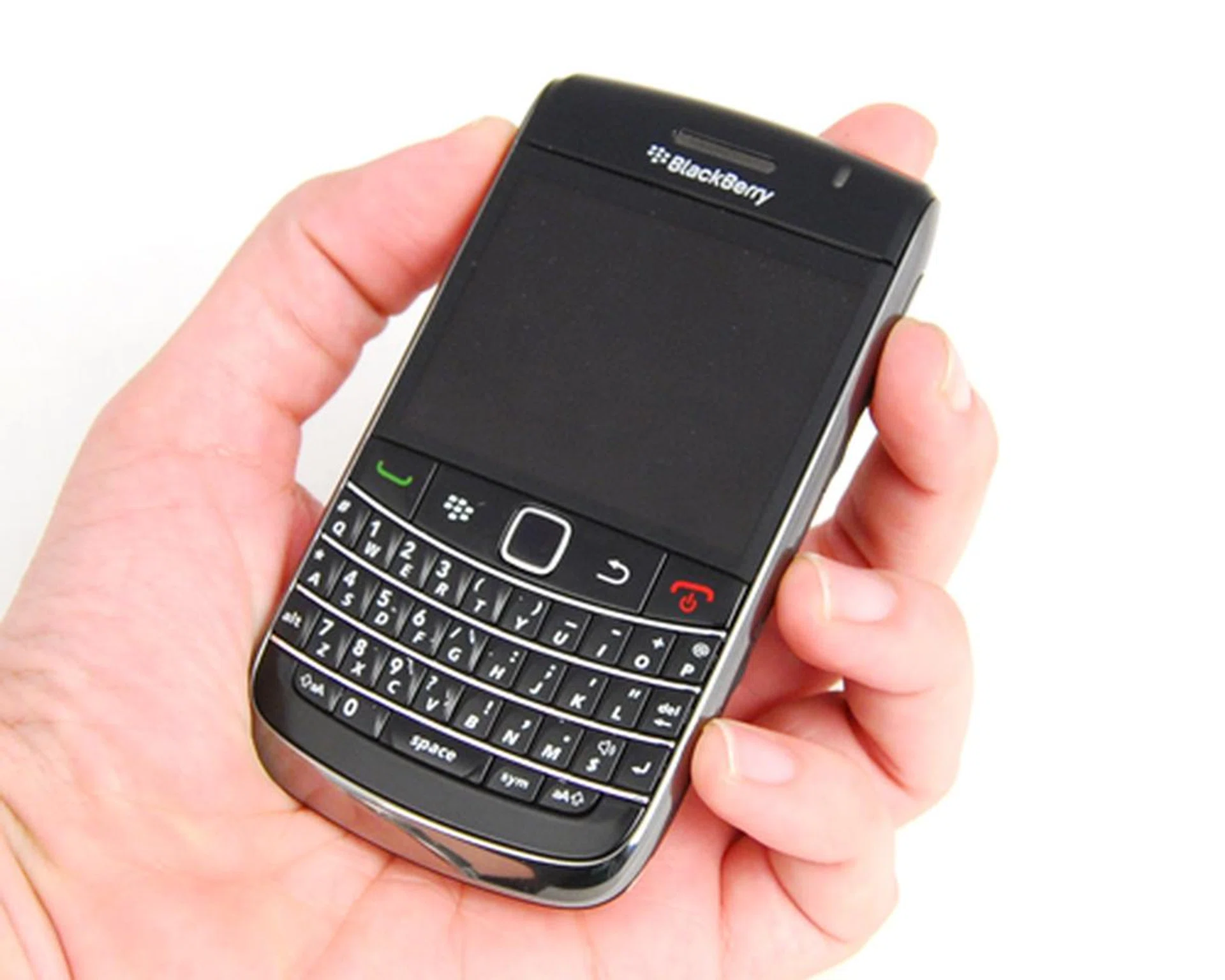
Approximately around the same size as the recently launched BlackBerry Curve 8520, the Bold 9700 will no longer look out of place in daintier hands (unlike ours). A smaller screen, and a smaller keyboard, but the Bold 9700 retains the same thickness as the Bold 9000.
The Bold 9700 retains some of the things that were done right on the Bold 9000, such as the inclusion of the 3.5mm audio port. On other aspects, we also see a few updates, such as a higher screen resolution at 480 x 360 (Bold 9000 being on 480 x 320) and the switch from miniUSB to microUSB. But with the change in size, we also have the Bold 9700 seeing its screen being shrunk down to 2.44 inches from its original 2.6-inch size.
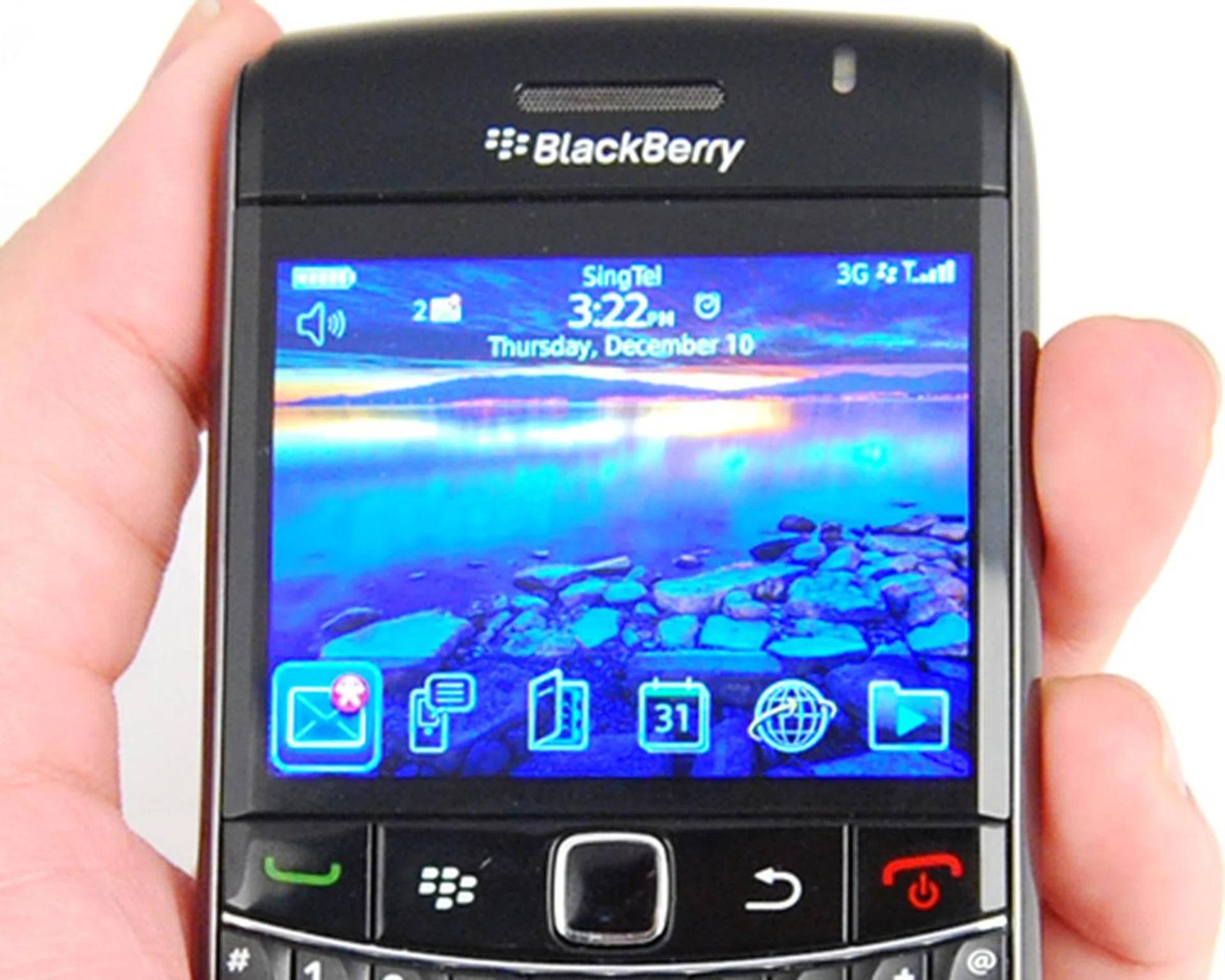
Screen resolution has been bumped up to 480 x 360 pixels, but we also see a screen size reduction to 2.44-inches.
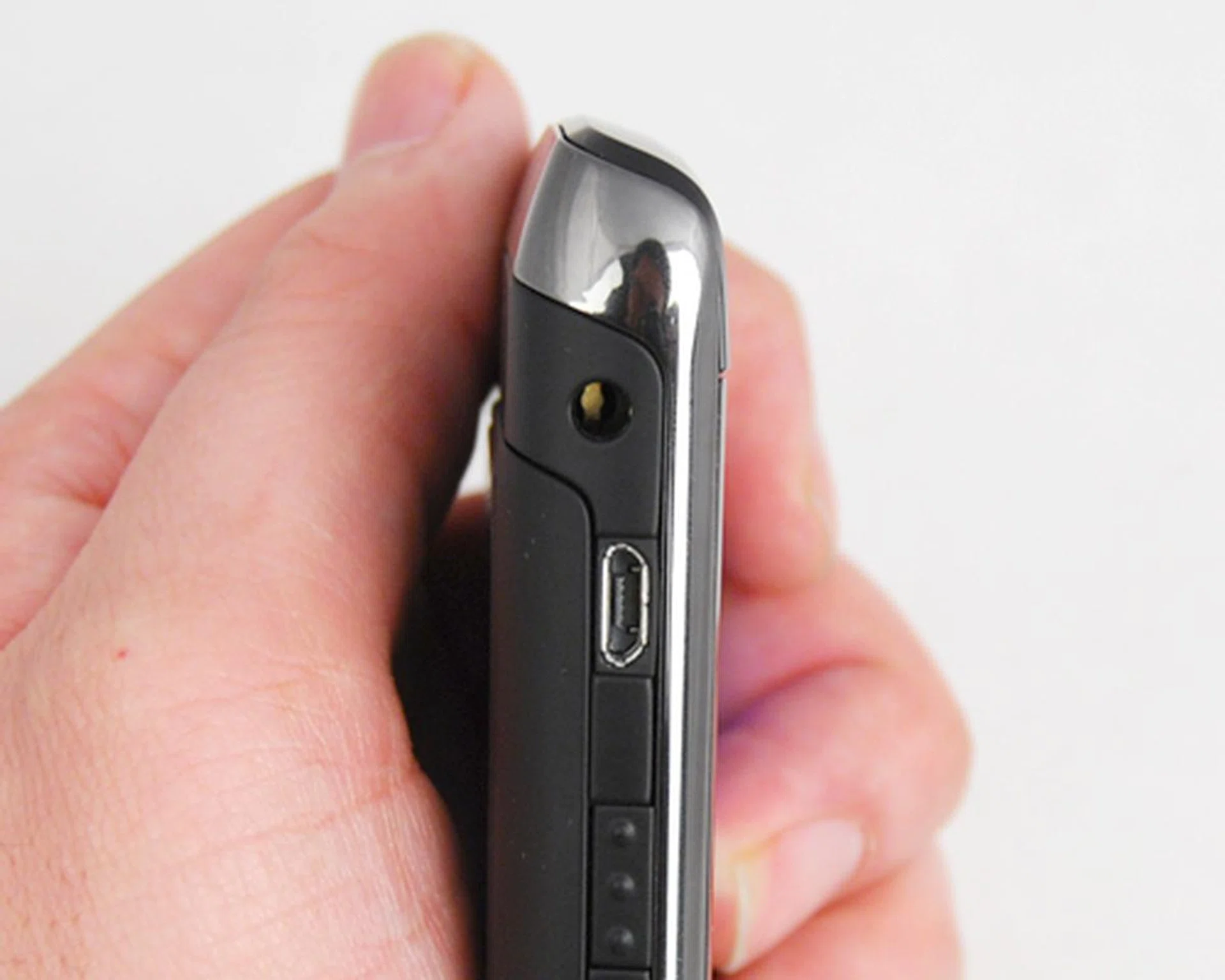
In place of the mini-USB port that we are familiar with, the Bold 9700 now sports the standardized micro-USB ports for mobile devices.
Besides the size reduction, a few noticeable changes were spotted on the Bold 9700, most prominent being the absence of the familiar trackball. In its place, we have an optical trackpad that first saw the light of day on the Curve 8520. From our earlier experience with the 8520 Curve, we weren't exactly comfortable with how sensitive the trackpad was. We approached the Bold 9700 with as little skepticism as possible, but alas, it was once again proven that the trackball would have been the more accurate tool.
However, we've heard of Bold 9000 users having issues with the trackball after extensive usage. In retrospect, the switch to the optical trackpad could prove to resolve the issue of users wearing out the trackball. Give or take, you might have better mileage with the trackpad, but at the expense of lower usability level.
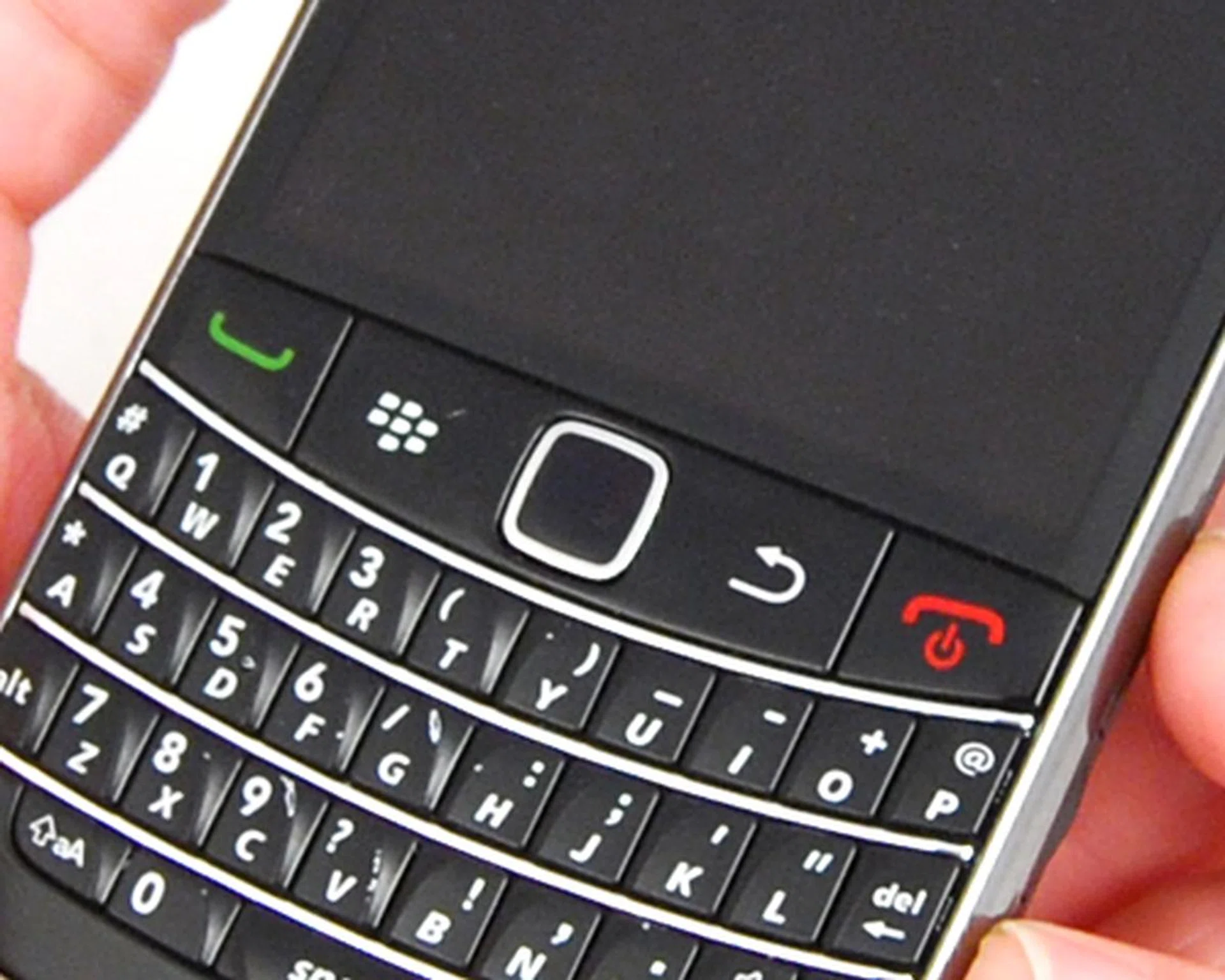
As said, we prefer the trackball over the trackpad. But prolonged usage could prove the trackpad to have better reliability of the two.
Thankfully, the Bold 9700 retains the same design aspect of the original QWERTY keyboard of the Bold 9000 with its slightly raised and curved individual keys that give it a tactile feel. However, we did experience slightly slower speeds and lower key accuracy as compared to the Bold 9000, which wasn't that much of a surprise to us since the keys are physically a tad smaller.
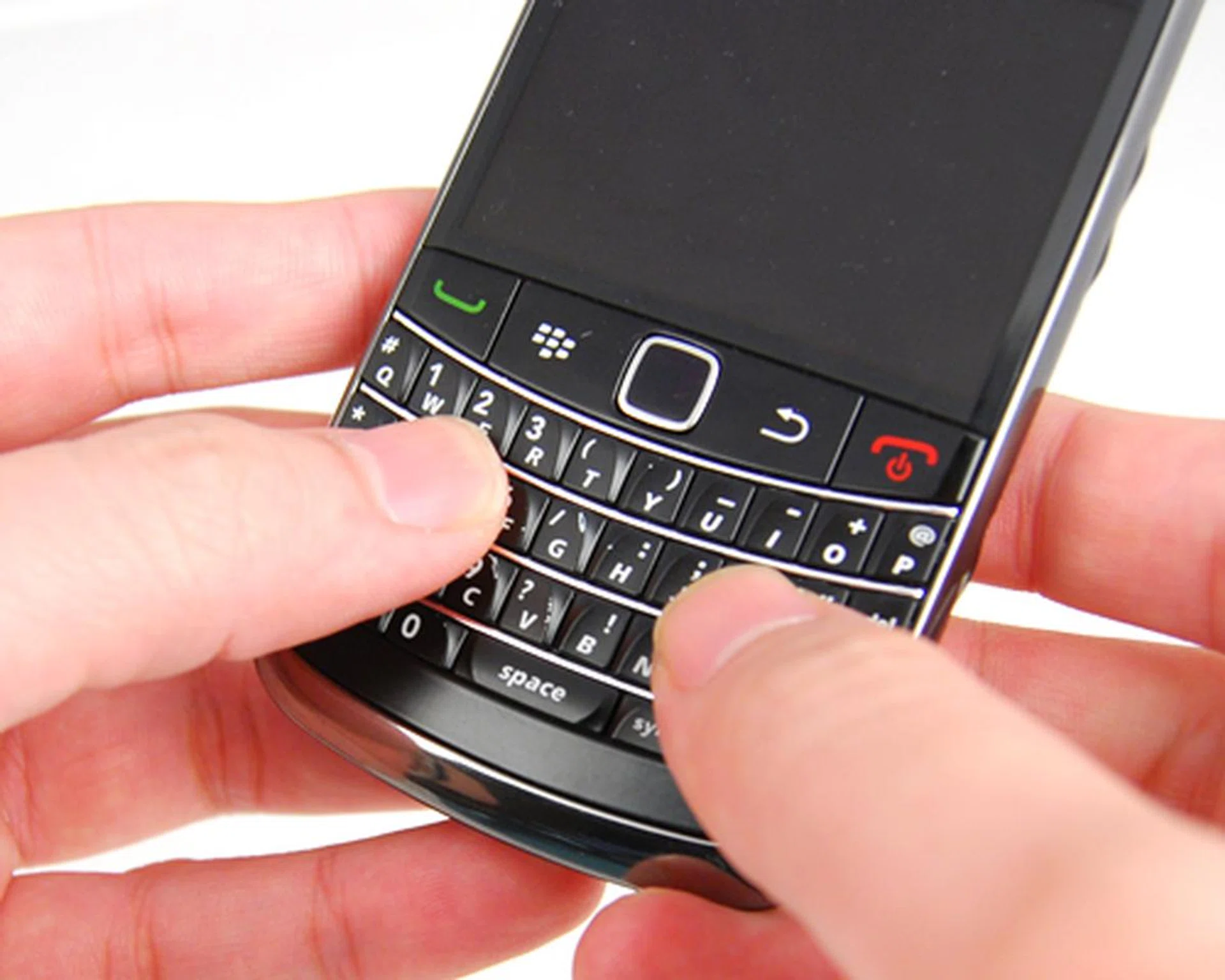
With each key reduced slightly in size, it's expected that your tactile feedback would dip, but thankfully, it's still relatively easy and fast to type on the Bold 9700.
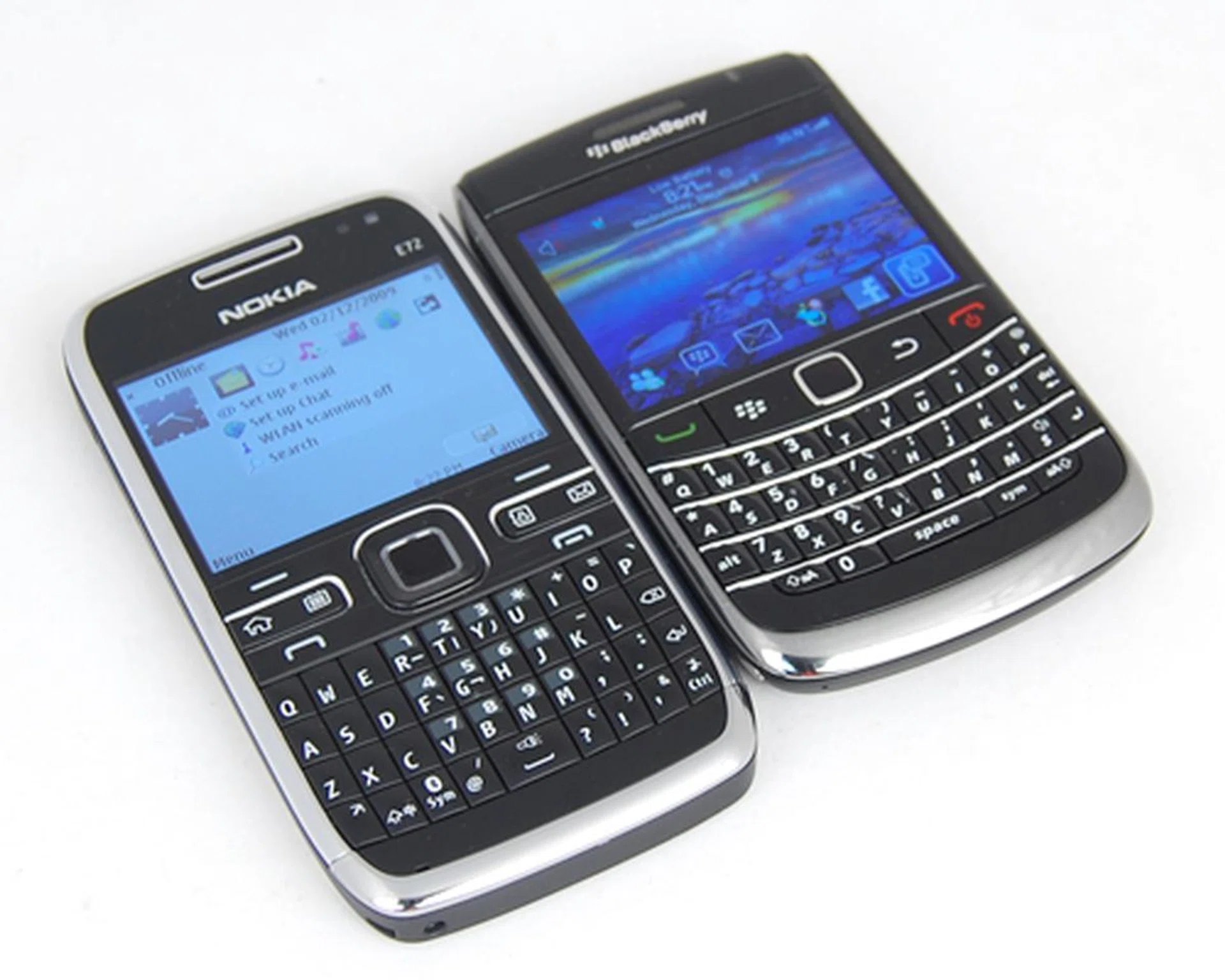
On average, both the Bold 9700 and the Nokia E72 will have almost similar typing speeds, but the experience might vary depending on the user (i.e. finger size and nails).
We've once shared a story on how a Bold 9000 survived a ride on the roof of a car, thanks to its faux leather backing. The Bold 9700 will come with the same backing, albeit not fully covering the casing. Its microSD card slot has also seen a change in location, back to underneath the casing. We were glad that it doesn't follow its older generation BlackBerry devices, allowing you to slot in the microSD card at an angle, and utilizes a spring mechanism instead of a catch.
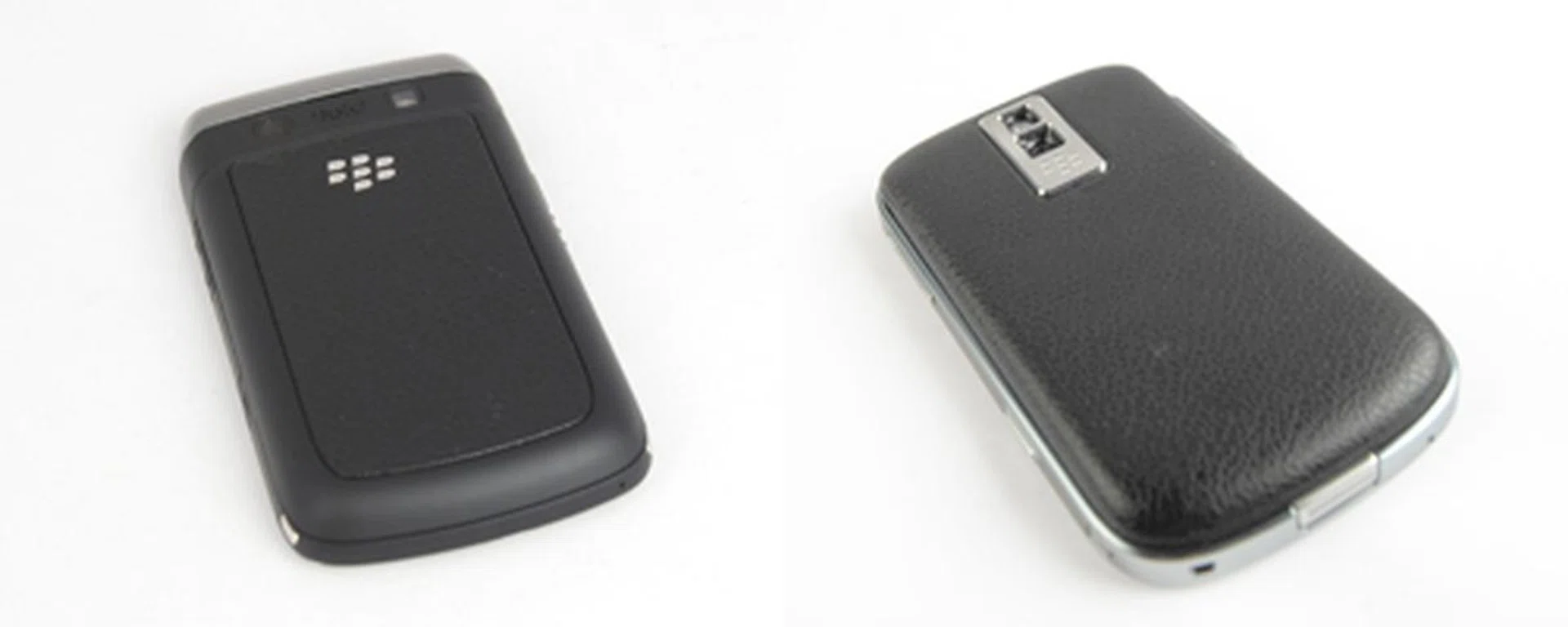
The leather backing that's great for gripping with your hands (and apparently on the top of cars too) isn't fully spread over the Bold 9700's backing (left picture) like the Bold 9000 was (right picture).
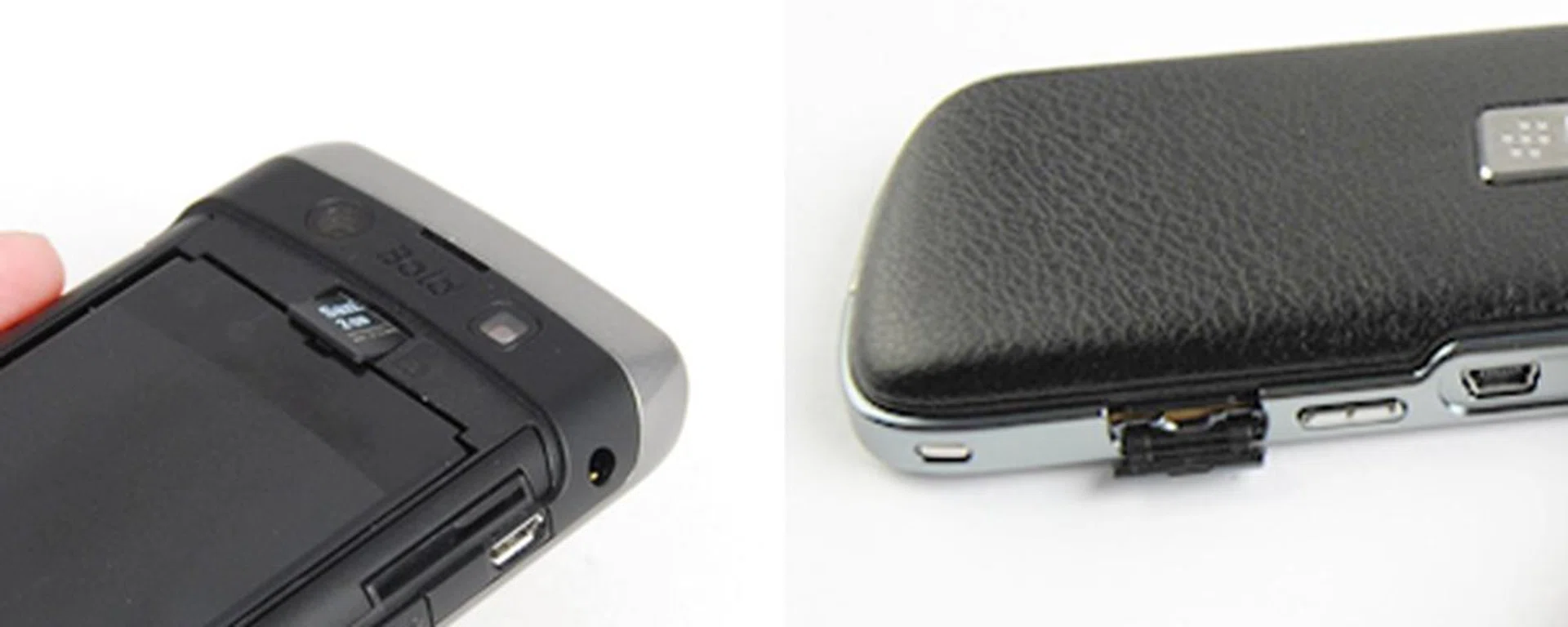
The microSD slot has been shifted back to underneath the casing and designed for angular insertion unlike the side insertion of the older Bold 9000 (as shown on the left).
A BlackBerry World
While there are changes aplenty on the exterior, you'll still get the familiar interface within, albeit with an updated BlackBerry OS 5.0 on the Bold 9700. Features-wise, you'll probably see the usual suspects, with the bundled Documents-to-go apps and BlackBerry Maps on the device. Nonetheless, you can also opt for Google Maps on your BlackBerry device these days.
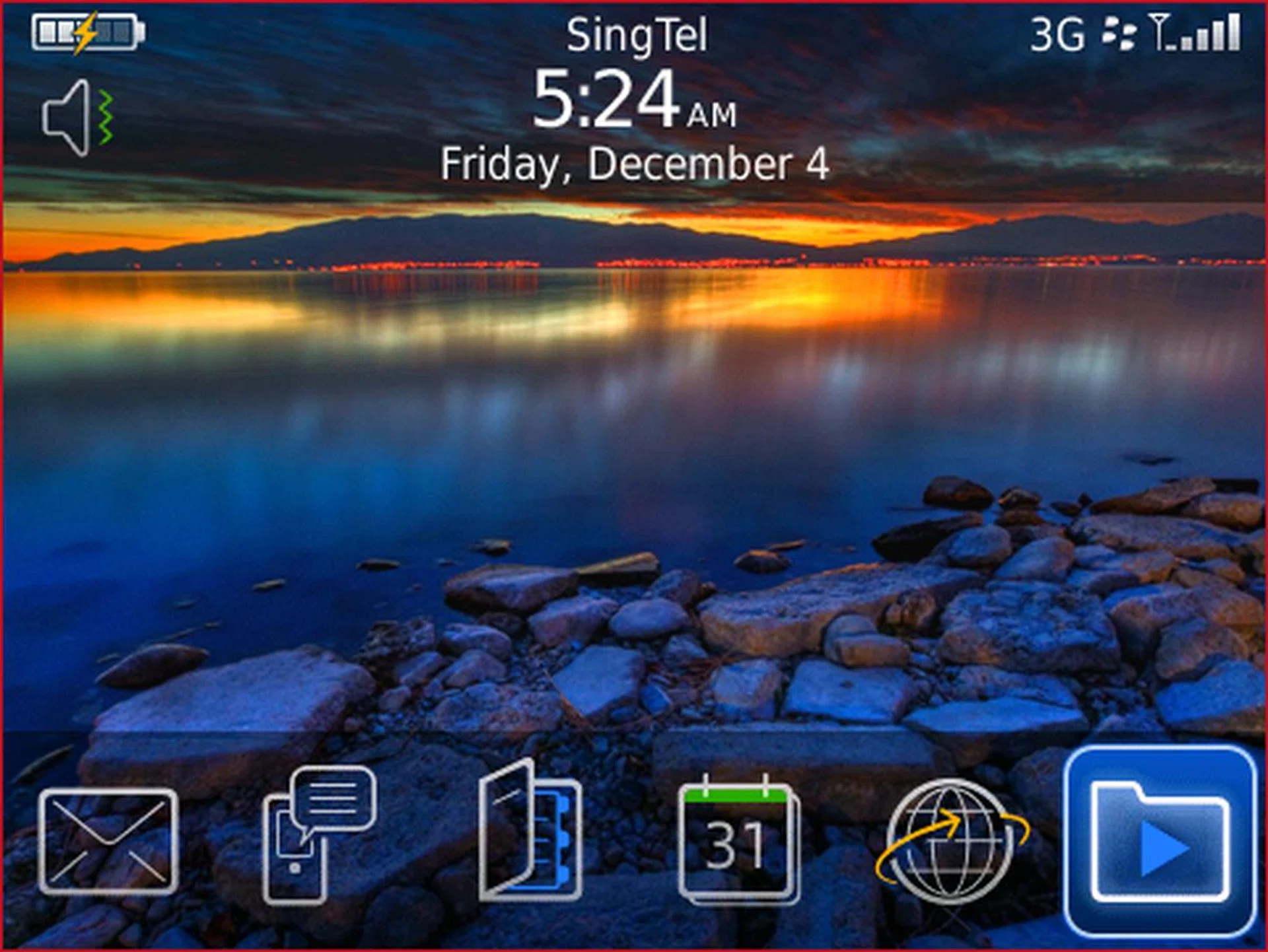
The interface hasn't seen much changes over the year, though its accompanying OS has been updated to version 5.0
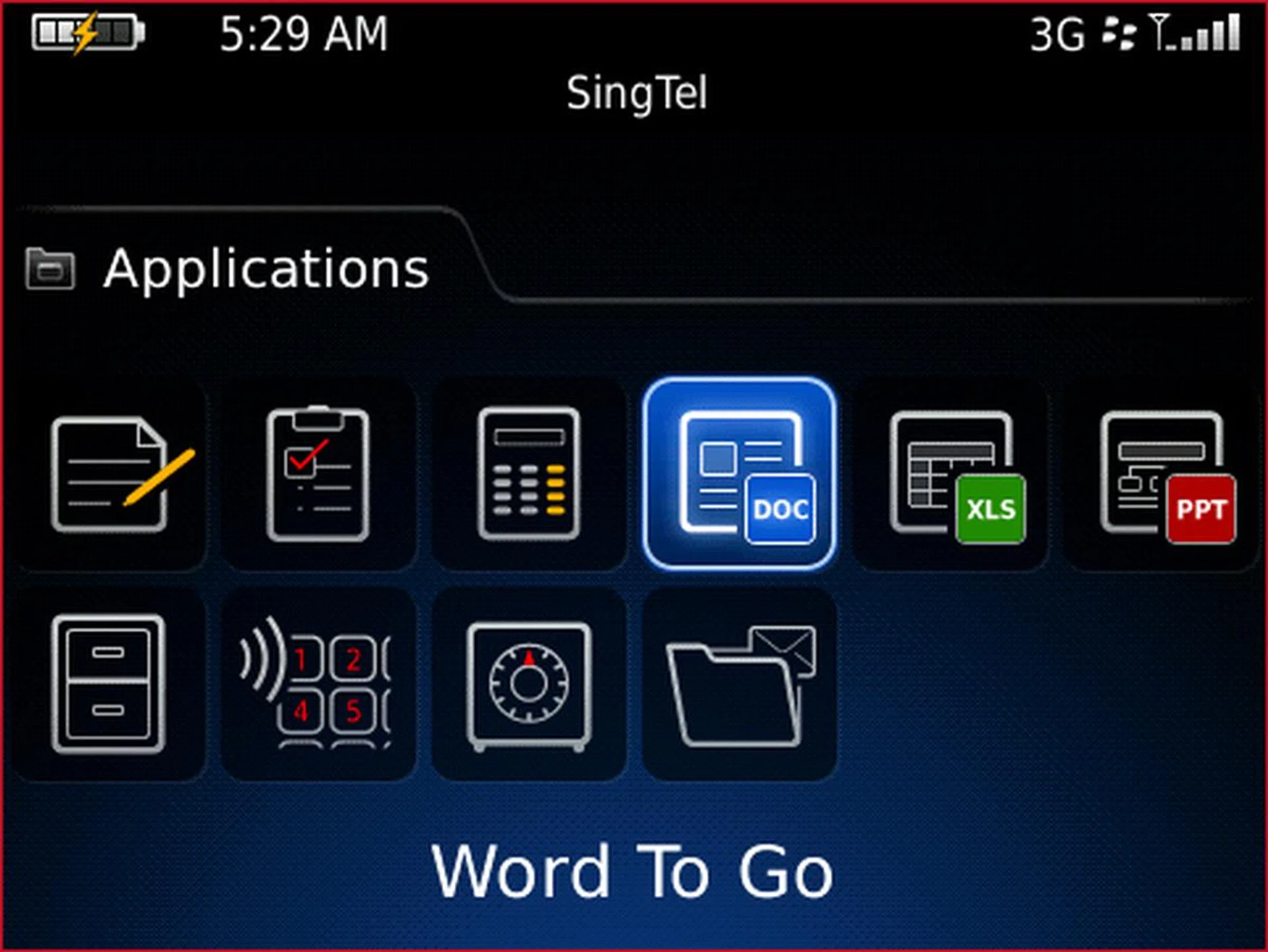
Unfortunately, the bundled Documents-to-go isn't the full version, giving you only viewing rights and no editing functions.
The BlackBerry name has been associated with push email ever since it entered the mobile industry. Its newer devices have been updated to support various POP3 protocols, such as Hotmail, Gmail and Yahoo. In fact, the Bold 9700's email setup for such devices will be that much easier.
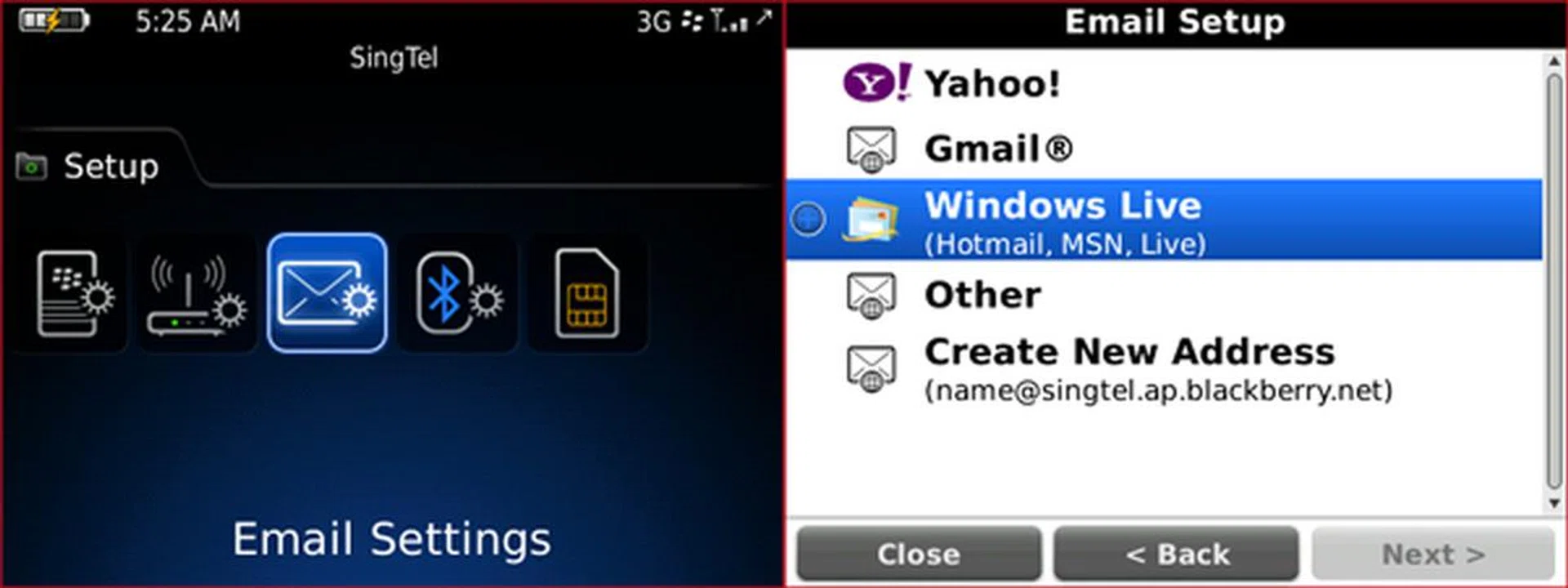
At the very start, you would have the option to tune your mailbox to any of the popular email clients, or your company's own server.
With a year ahead, and the competition heating up in the smartphone market, RIM is making a few moves of its own to keep itself relevant in the race for mobile phone dominance. Taking Nokia and Apple as an example, both companies have made it clear that online services are going to be one of their core focus areas. This is exemplified by Apple's successful iTunes App Store, and Nokia's extensive music collection over at Nokia Music Store.
BlackBerry answered with its own BlackBerry App World, which showcases a series of apps designed for BlackBerry devices. The list won't be as large as what Apple has built over the past two years, nor near where Android and Nokia's Ovi Store has started with. Nonetheless, specific apps such as UberTwitter keep you updated with the Twitter universe amongst other more pertinent apps.
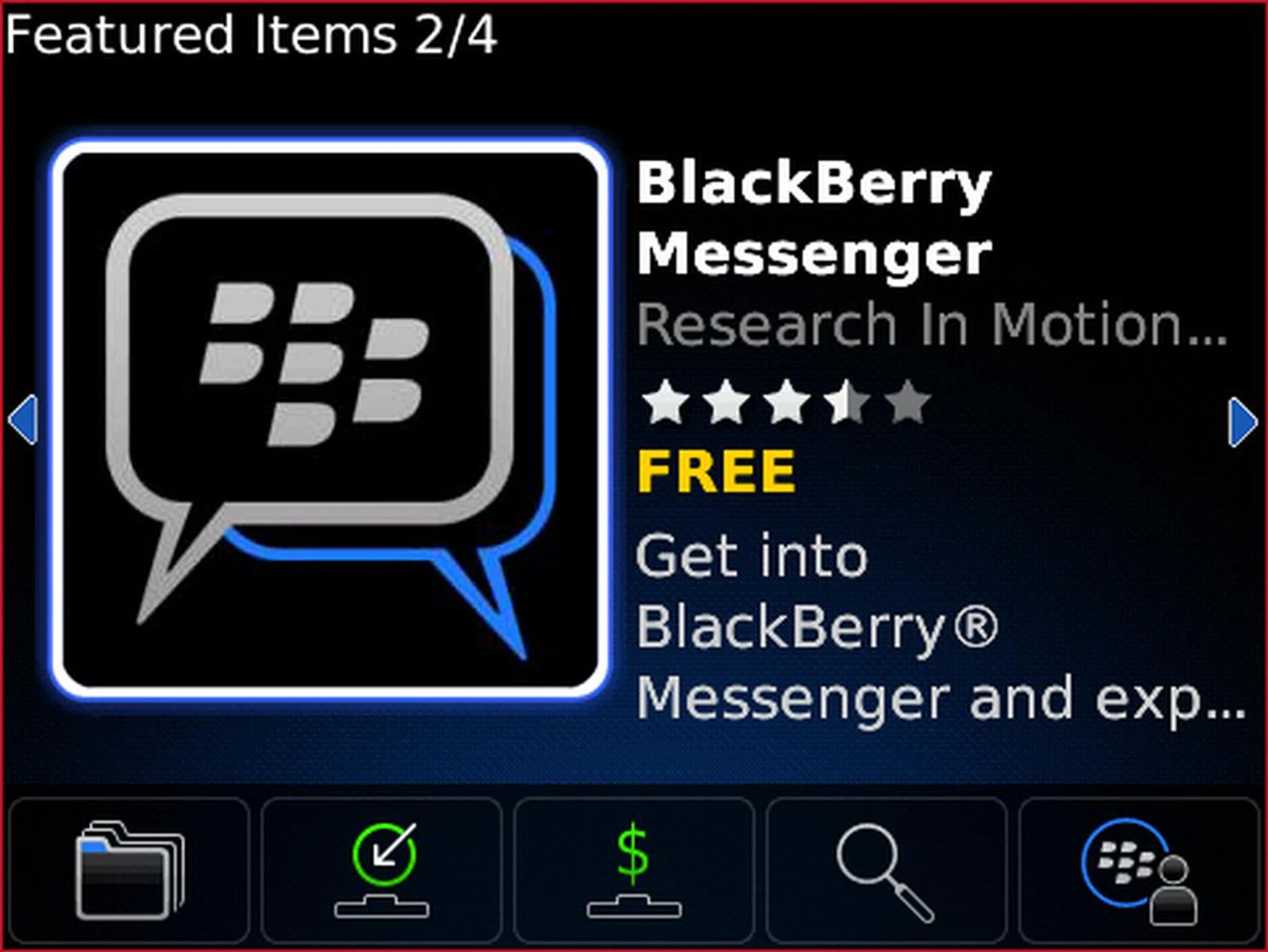
The BlackBerry App World showcases a series of apps, and for now, you'll only be able to access free apps, with paid apps coming along the way soon.
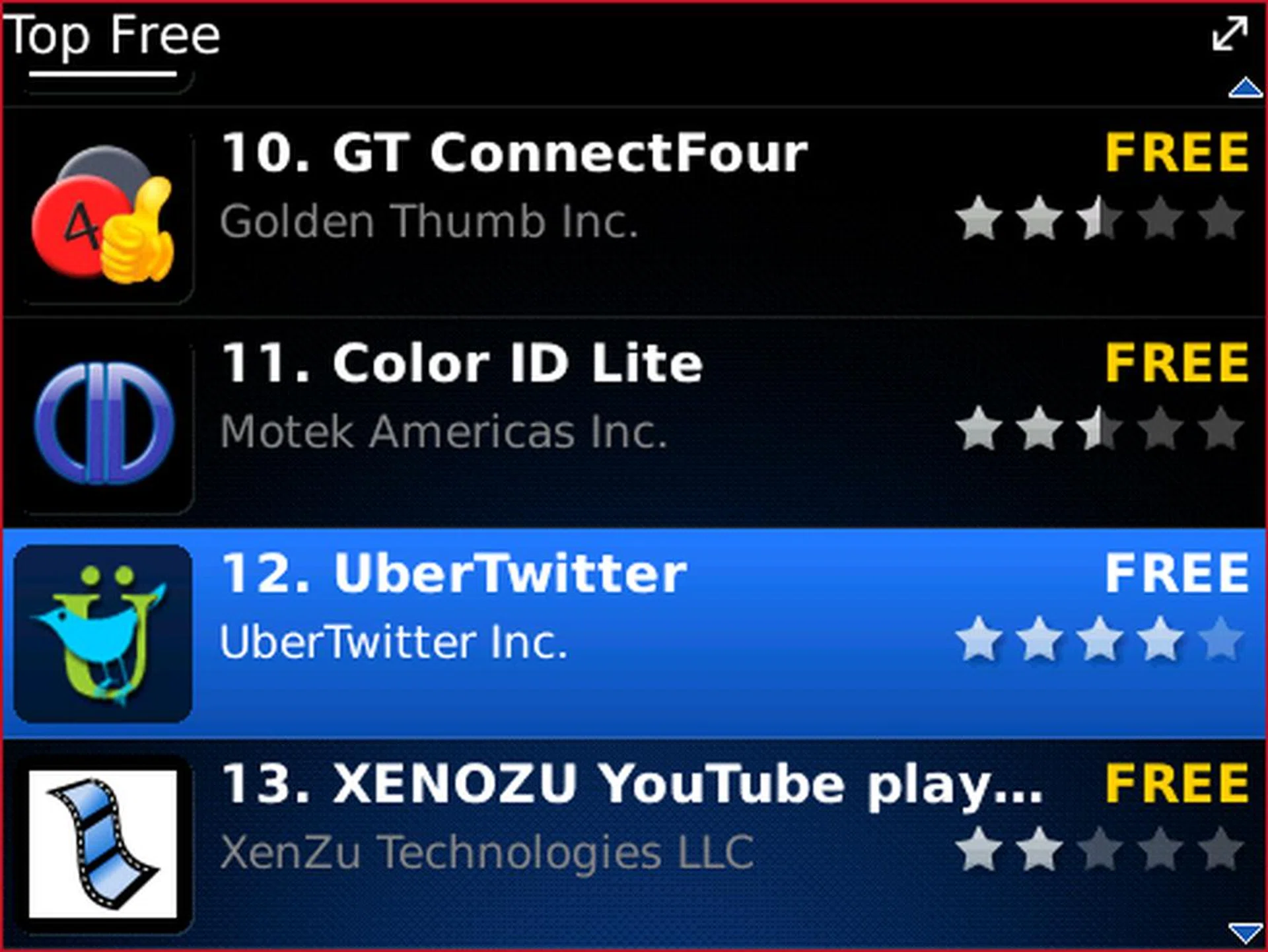
With the rise of social networking, it's apparent that UberTwitter will keep you updated as the minutes tick by.
The Petite Performer
Size does not equate performance, and this is what we've experienced on the Bold 9700. Back when we had the Bold 9000 for review, we were pleasantly surprised at how well the unit handled itself. Moving onto the Bold 9700, we were glad to see that the successor retains all the goodness of the original, including the 624MHz processor.
But herein lies the dilemma - how does one define a successor? Would it truly succeed in terms of both hardware and software updates, or requires a whole new overhaul to enhance what was once a great interface? The Bold 9700 is only seeing a slight update to its screen resolution, albeit you get a reduced screen size. While it does reproduce a much better video quality with its upgraded screen resolution, we found it a tad too small for our liking.
Similarly, it takes quite a bit of effort to surf the web on the diminutive 2.44-inch screen. Nonetheless, web browsing is still a decent affair. Page rendering is almost as good as what we've expected on the Bold 9000. The only thing that might set you back is the new optical trackpad experience, which at specific times, felt harder to navigate than the good old trackball.
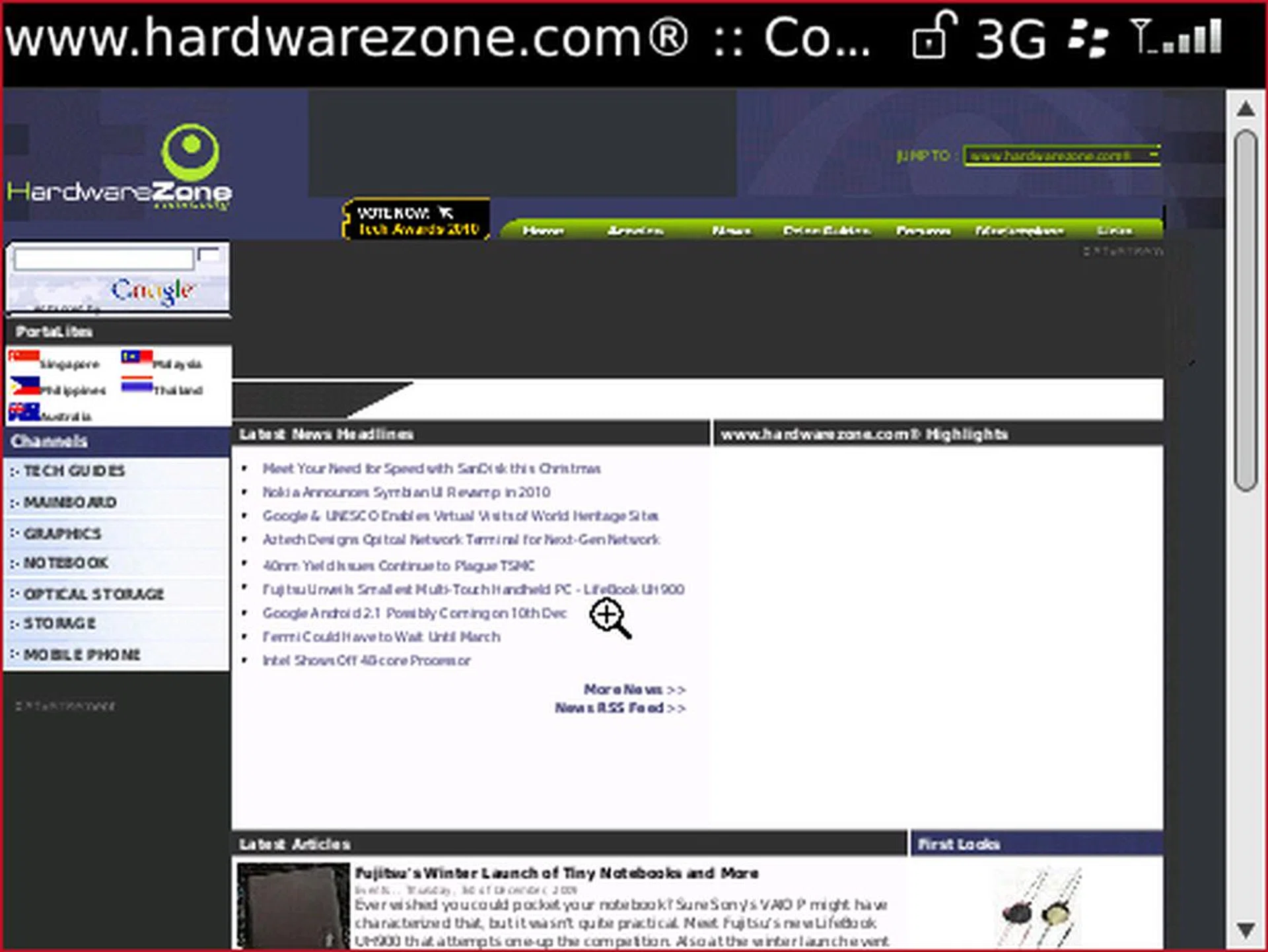
Web surfing is adequately fast, with either the HSDPA or Wi-Fi connectivity options on the Bold 9700.
For its imaging capabilities, we see a slight bump up from the previous 2-megapixel sensor to the current 3.2-megapixel. As usual, we put it to the test with our resolution and color chart, and tested its white balance under a strong incandescent lighting.

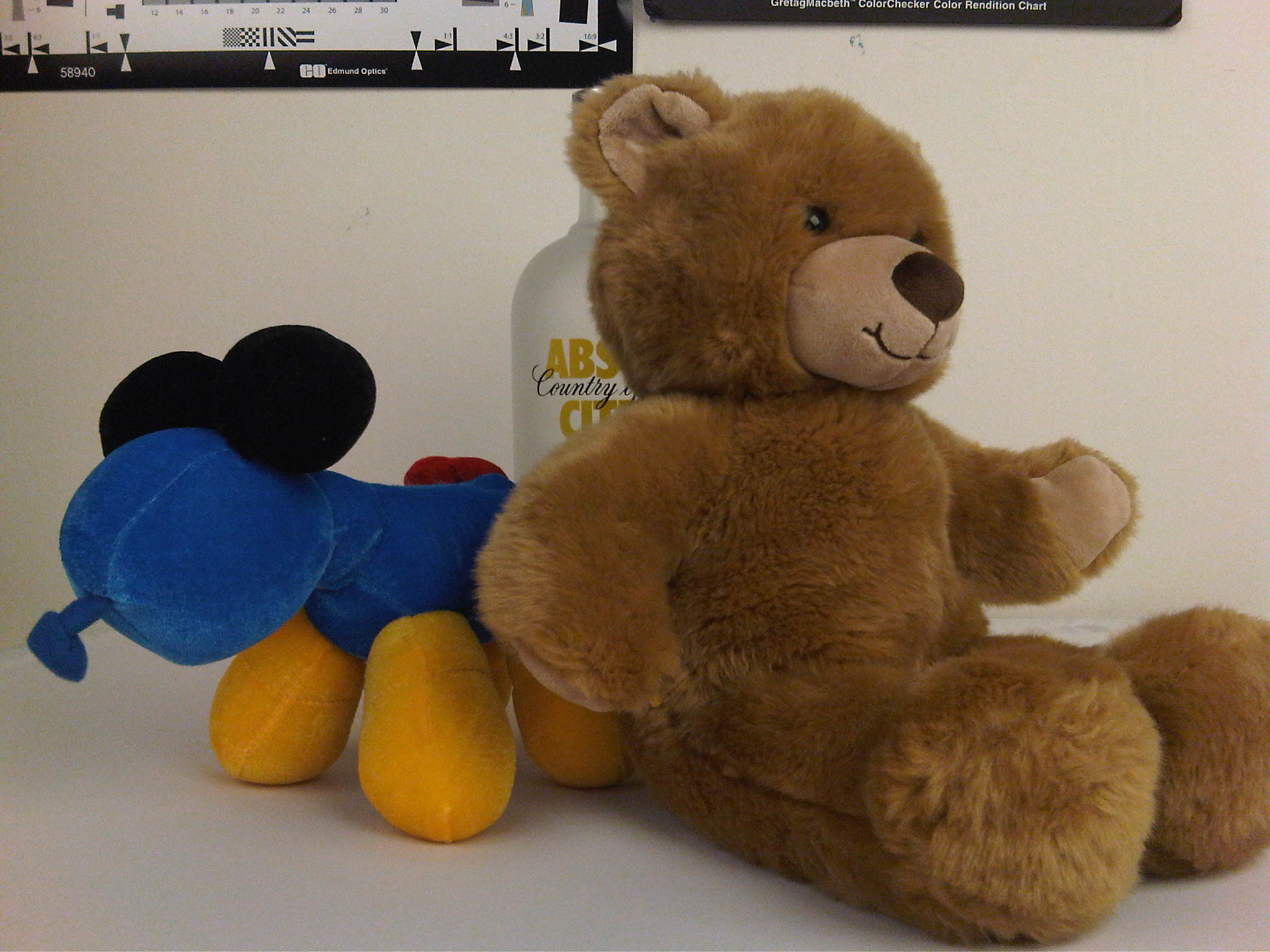
The results were surprisingly good, given that the camera was able to adapt very well to the strong warm lighting; it returned a good white balance and hence color reproduction on its images. Nonetheless, it won't have the sharpness in details, as evident in the test image that didn't provide a high level of differentiation on its fur details.
For the mobile road warrior, the device's uptime will be something to watch out for, and we ran the Bold 9700 through our standard battery test. Running a 240 x 320 resolution video at full brightness and volume with Bluetooth and Wi-Fi active (plus a constant feed of Twitter updates via UberTwitter), we present our findings in the following charts:
Mobile Devices Comparison Table
Specifications/Device | BlackBerry Bold 9700 | Nokia E72 | HTC Touch Pro2 |
Connectivity |
|
|
|
Dimensions |
|
|
|
Weight |
|
|
|
Screen size |
|
|
|
Battery |
|
|
|
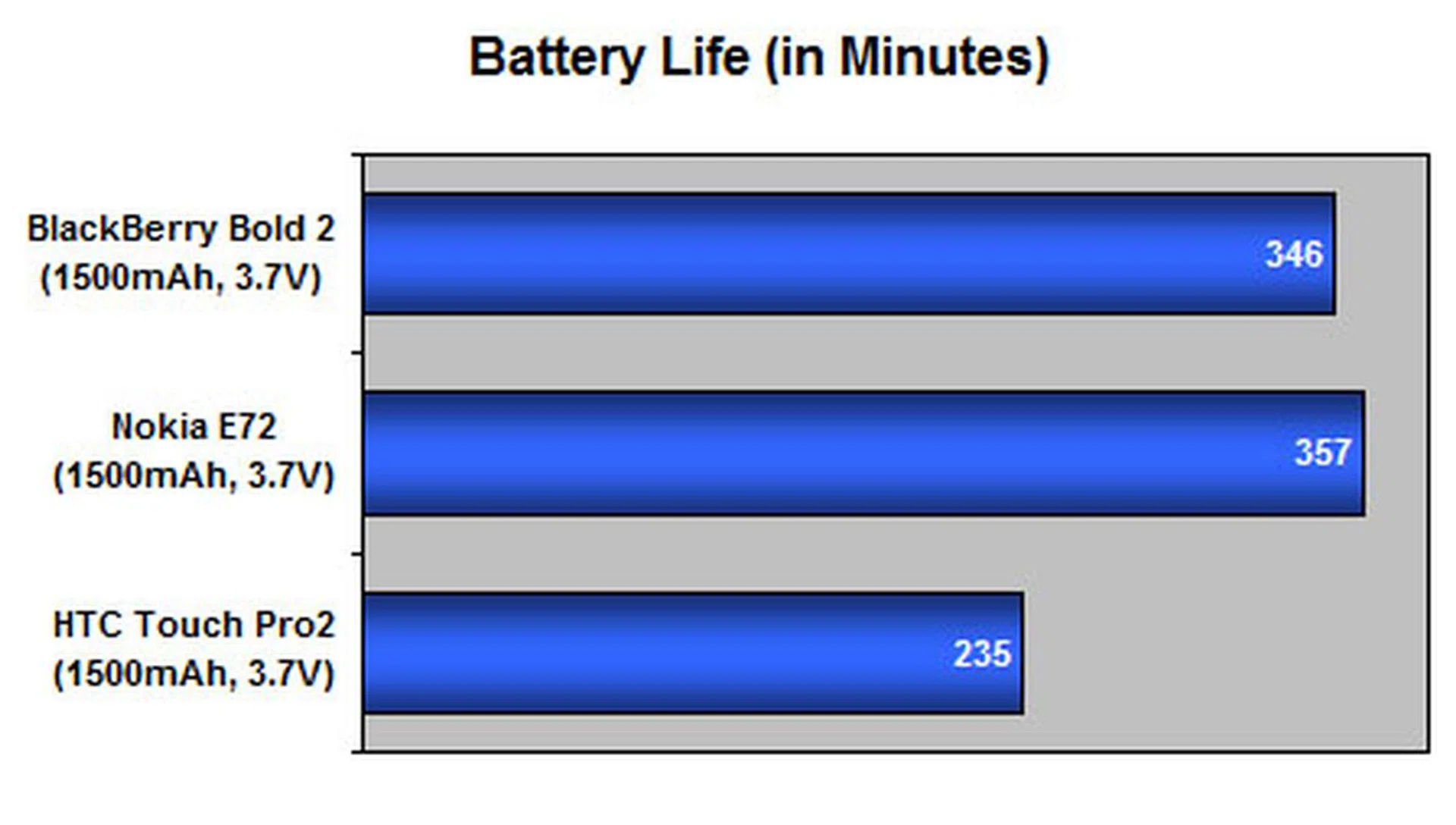
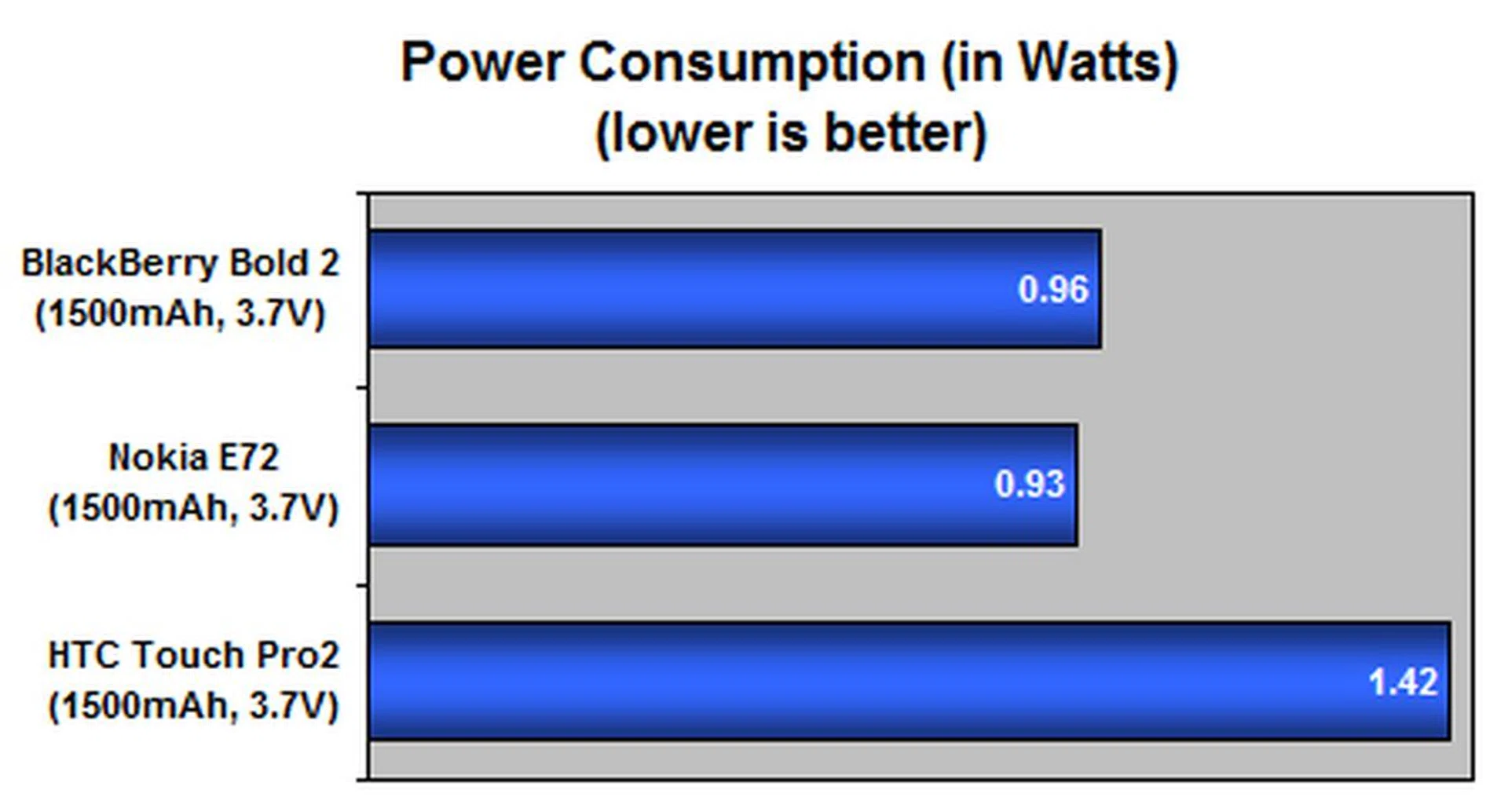
The Bold 9700 comes pretty close to the Nokia E72's battery mileage. All things considered, the Bold 9700 is pretty powerful in the battery department, and will do well to keep you connected for an extended period of time.
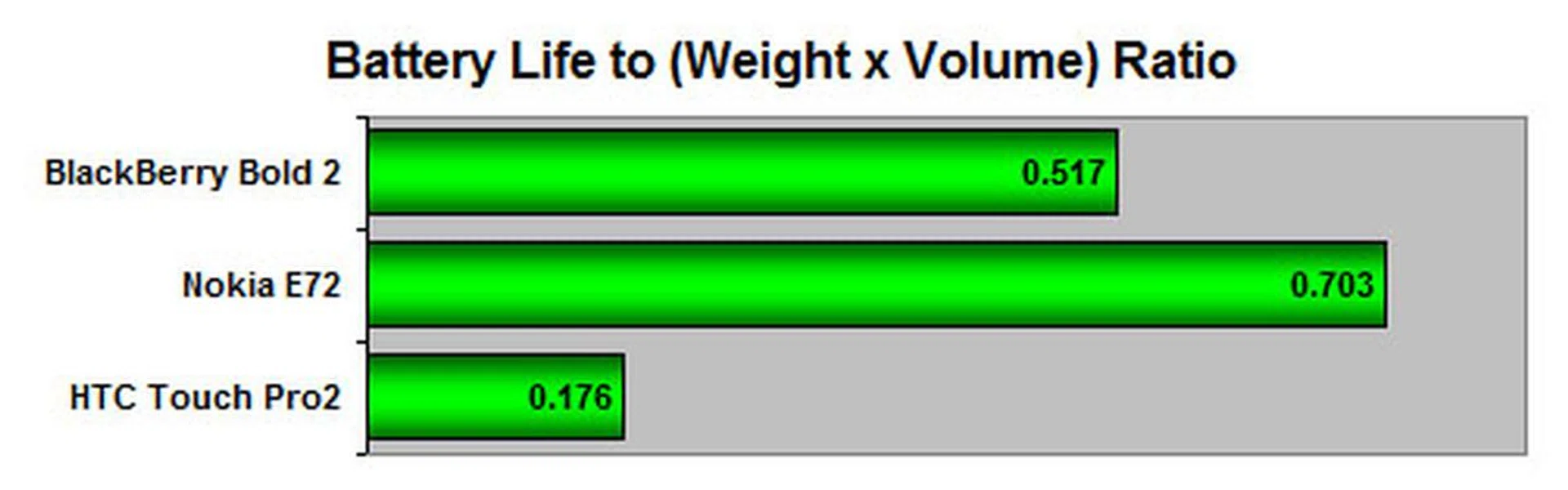
Portability-wise, we still see the E72 reigning supreme thanks to its slim profile and high battery mileage. Even with a reduction in its width and height, the Bold 9700's retention of its girth and slightly lower battery uptime compared to the E72 will place it to be less portable (relatively). Compared to the bulkier HTC however, the Bold 9700 fares a lot better though.
Deal Closure
As outlined in the previous pages, the Bold 9700 has both its ups and downs. If you focus upon its aesthetic nature, those who wished for a more compact and comfortable form factor will welcome the Bold 9700 with arms (or maybe hands) wide open. Still, we figured that there'll be others like ourselves who find the smaller keyboard to be a minor issue. The typing experience will be slightly compromised, but we are thankful that the Bold 9700 retains the same raised design for each keys, albeit in a smaller form.
We also have to factor in the design choice for an optical trackpad instead of the familiar trackball that we are so accustomed to. All in all, it's more an issue of having the time to get the hang of the trackpad, in favor of possible trackball failures as we've heard of from previous Bold 9000 users.
Elsewhere, the size reduction brings about a smaller screen size. Though equipped with a higher screen resolution, it isn't exactly a multimedia powerhouse. For speed and performance considerations, we felt the Bold 9700 has all the efficiency of its predecessor, and that's about it. Web browsing and simple interface navigation will still be the same, since there isn't much of an overhaul even with the latest BlackBerry OS 5.0. The visible upgrades such as an updated 3.2-megapixel camera, does show positive imaging results with better color reproduction than the predecessor. The Bold 9700 does well for simple imaging needs nicely, but don't expect award-winning photography details from its camera.
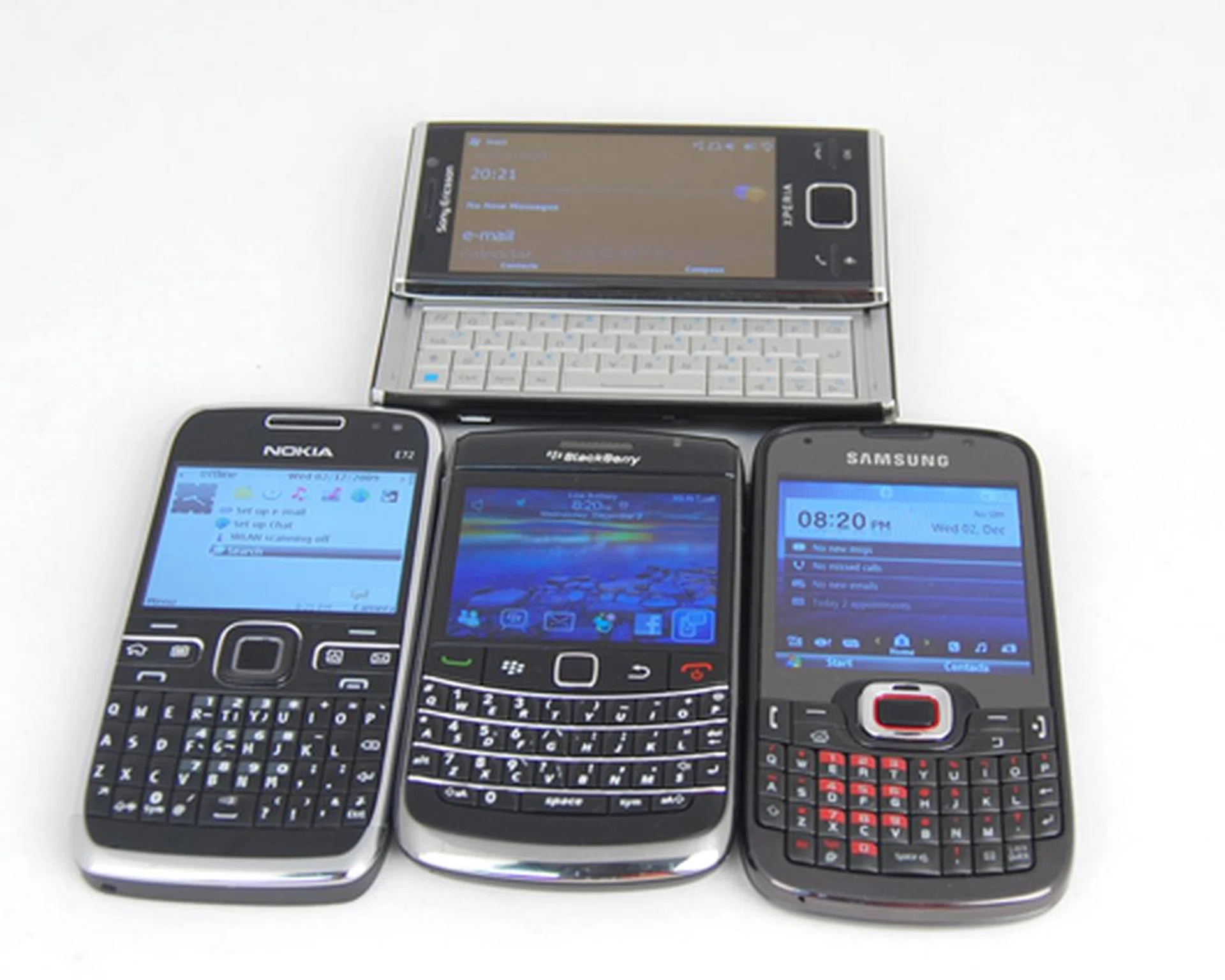
The Bold 9700 is one of the many new business-centric smartphones that hit our shores over the last few weeks, and there's more on the way. Check out the January 2010 issue of our sister HWM publication where we present a shootout of these business QWERTY smartphones.
As the saying goes, if it isn't broken, why fix it? RIM took that into partial consideration for the Bold 9700, kept most of the points that made the Bold 9000 a success, but decided to make it more petite and easier on the hands. In essence, if you have been a BlackBerry user and have been waiting for a suitable successor to the original Bold 9000, you will probably find the Bold 9700 an apt choice - that is if you can look past the smaller keyboard and screen size. If your purchasing consideration involves other business phones, then you might want to take note of the Bold 9700's steep S$950 price point (before telco subsidy) against more affordable and just as capable alternatives out there. Overall, the Bold 9700 is a decent renewal of the popular Bold 9000 model, but alas the changes aren't really everyone's cup of tea.
Our articles may contain affiliate links. If you buy through these links, we may earn a small commission.