
HardwareZone's 10th Anniversary: The 2001 Refresh
While 2001 didn't bring a renewed look of www.HardwareZone.com that we pulled off during Y2K, it was still a significant year for both the publication and the company as we scaled new heights with the inaugural Hardware Zone Awards, the birth of HWM, the cool Bubble Zone and much more! Read on for the details.
Strengthening www.HardwareZone.com
Having seen the progress of www.hardwarezone.com from 1998 to 2000, the next year wasn't quite as big a leap as of our earlier years where layout and content is concerned. Nevertheless, there were still several key advancements that took place in 2001 concerning our services and offerings from the growing media publishing company (not to mention combating the dot-com bubble that burst and was rippling through cyberspace during this phase).
First and foremost, www.hardwarezone.com embraced a new logo to better associate itself with the growing community-centric services. With the community represented by the ring surrounding the circle of services of HardwareZone, this logo has since faithfully represented the online portal and its very essence.
Along with the new logo, the HardwareZone portal also saw some small layout changes where more services were lined up on the sides surrounding the various news highlights while the reviews section followed just underneath it. By this time, the portal was seeing traffic in the estimated range of 5 million pageviews a month and if you were to step back in time, here's how it would have looked like then:-

In 2001, HardwareZone was still based on the same purple-motif, but it saw some layout changes to better accommodate more services and had a brand new logo that represents the online portal even today. Click for a lager view.
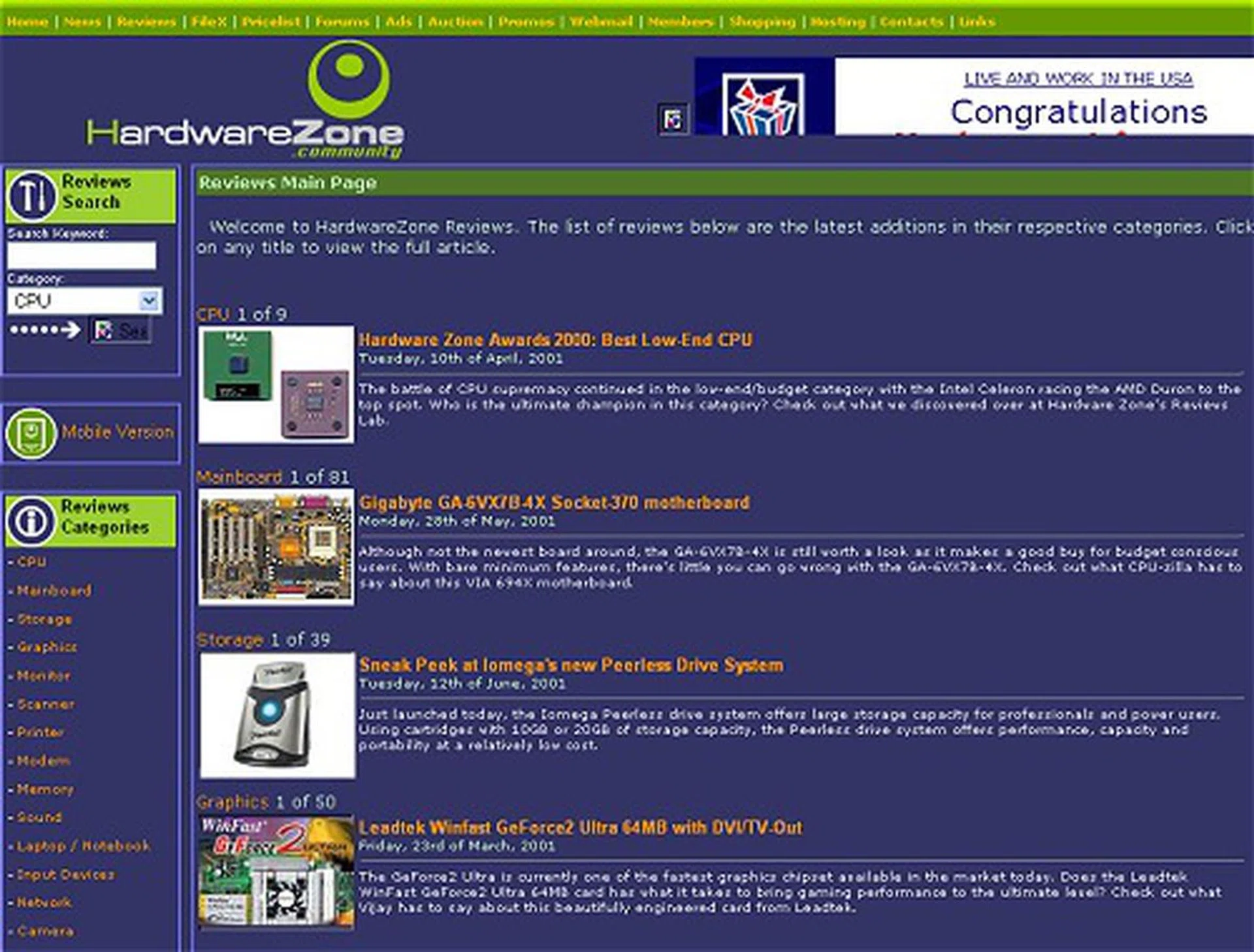
The main reviews landing page finally took on a functional feel similar to our current form with all articles listed by date and categories lined by the sides to home-in to the required segment.
Other notable services that were incorporated in 2001 are as follows:-
- HardwareZone Mobile ver.1.0 (a 'Lite' version of HardwareZone, Pricelists, Classifieds and Reviews for surfing on the move using PDAs and Avantgo)
- HardwareZone Chat Service (a dedicated channel to cater to members wanting to engage in real-time discussions and reduce the reliance of the EDMW forum for such needs. However over time, members just found EDMW more convenient for this purpose even if the forums were never meant for real-time chats.)
- HardwareZone Auction service (an alternative bidding mode of used goods sale other than the Classified listing in the forums)
The Chat Service had an interesting history which unfortunately didn't last too long, so allow us to touch on its origin and creation. As HardwareZone and its community services grew ever more popular, most notably its forums as the gathering place for interaction, the EDMW forum in particular had grown in a way that attracted an almost IRC-like experience - meaning members literally used it for almost real-time chatting. The nature of the forum service was certainly not at all catered to instant chatting and it was best left to IRC-like clients and their virtual chat-rooms.
This is why the HardwareZone Chat service was created to offer a proper avenue for such instantaneous and spontaneous discussions. Its goal was met initially, but somehow folks still landed up in EDMW to continue using it like a chat room. The most probable reason is that folks from this level of the tech community aren't just interested in shallow talks, but rather want to intermingle and eventually get to be better friends, be it virtually or in reality and build a knowledgebase. This may not have been their goal, but it if you analyze it enough, these are the resultant reasons.
The forums are a great resource to track back on past topics, discussions and doesn't get erased (not until pruning time comes along) nor thrown into some log text file that's not searchable. Plus the forums are far more structured and promote a much larger user base to interact than a chat room could ever handle.
The popularity for this sort of forum based discussion has even hit our other forums in recent times and has spawned a dedicated chit-chat thread for members who constantly stick around in particular forums. After all, with nearly 100 forums and over 300,000 members, such preferences are bound to show up, but our moderators aren't overly hard-handed and have accommodated the members' needs while keeping all forums true to their intents.
Speaking of community, 2001 was the height of the bubble tea craze in Asia and what do you get when you mix that and a vibrant community like our HardwareZone forums? For those who've not been around as long as our site has been, the next page would be quite a shocker, but for those who have been, it's cool nostalgia and quite literally speaking too!
Bubble Zone!!
Mix Bubble Tea and HardwareZone, stir and the answer is Bubble Zone! Yes, we used to run our very own bubble tea drinks and snack stall at a prominent location in the basement food center of the Sim Lim Square (SLS) IT and electronics supermall. HardwareZone then squarely focused on PC component and technology reviews only and our local target audience would naturally hit the famous SLS mall which is the defacto place for such products then. The Bubble Zone initiative was a side venture to promote interactivity among our community and other like-minded folks to gather for a cool drink and catch-up on both technology and casual matters. And of course an alternative form to spread our HardwareZone name and branding.
What's special in Bubble Zone that's different from all other bubble tea shops then were the specially concocted drinks that's unique to us and were even named after famous forum 'celebrities'. No amount of words can describe the interesting taste of these drinks, but all we can tell you now is that you would have enjoyed them one way or another. This service lasted for a little more than one and a half years as beyond that point the bubble tea craze waned away and our own focus was shifting towards our core strengths. Here's a few screenshots from the once www.bubblezone.com.sg that housed info of Bubble Zone and the complete drinks list of those interesting days:-


The Birth of HWM
Not only did we increase our services and community efforts in 2001, but it was also a year where major milestones were achieved in the editorial department and the company. As we gradually increased our staff strength and garnered new talent/experience, as well as the unexpected dot-com gloom with regards to advertising and investment, the company made a strategic decision to make inroads into the print publishing business as well.
Based on our forte in computer technology, HardwareMAG was conceived as a quarterly title after numerous new process changes to accommodate the print publishing business model. With the very first issue rolling out in July, it was also the first and only homegrown IT magazine and it still is today. HardwareMAG's second issue would next be the September 2001 edition. Following that in the next year, HardwareMAG became a regular monthly title and was renamed to HWM. The rest as we know is history as the title expanded its reach within South East Asia, concentrated more on consumer technology/electronics/communications and is now one of the most influential tech magazine publications around in this region.

Here are two magazine covers of HWM from the more recent years.
The Hardware Zone Awards
As the editorial team geared up for the magazine publication, another effort was underway that occupied much of the earlier part of the year as we prepared for our inaugural Hardware Zone Awards event to round up the best in technology for the year 2000. To sum it up, here's the excerpt from our Editor-in-Chief, Dr.Jimmy Tang:-
This inaugural event marks a significant milestone for Hardware Zone as it strives to bring recognition to I.T. product manufacturers and at the same time, promote excellence in product quality, design and performance. The ceremony was held at The Mandarin Singapore attended by product manufacturers, distributors and some SLS vendors too.
The awards started with a month long campaign at the end of last year with Hardware Zone members nominating products which they think should deserve an award. The nominations were consolidated and five of the most popular products nominated in each category were picked as the final nominees. With the finalists in hand, we invited manufacturers to send these products to our Reviews Lab for a final round of testing. Over a period of less than two months, the editorial team at Hardware Zone have worked hard, day and night (sometimes skipping lunch and dinner), running extensive tests on more than 120 unique products.
As you can tell, it's no small feat and we've got the winners listing in the Hardware Zone Awards 2000 article .
For the actual event coverage and awards presentation ceremony, we've got that covered in a separate follow-up article since digital cameras those days were woefully inadequate for professional needs and we used a conventional SLR camera for photography and relied on scanners to convert the photos digitally for web usage. Even then, the limited internet connectivity in those days meant we had to compromise quality and picture size, but you'll still get a good feel of how the event proceeded nearly eight years ago. So read about the pomp and fanfare that took place over here .
Technology and Hardware Highlights from Year 2001
So what else did the editorial team observe during the 2001 era as we tested and reviewed hundreds of products during that year? That's what you'll find out next to check on the technology progression back in that year.
The CPU Scene in Year 2001
This was the year when Intel's Pentium 4 stared to make some inroads into the Athlon's performance superiority. However, when the year started, it was not exactly the case and our first major high-end processor shootout confirmed this. Even though the Pentium 4 was not included due to it being relatively new and hardly any faster than the Pentium III. In any case, our consensus then was that "the value and performance offered by the Athlon processor is simply unbeatable. With amazing performance, affordable price and a scalable architecture, you can't deny that the AMD Athlon is fast becoming the processor of choice for power users all over the world. The AMD Athlon is clearly the winner in this category."
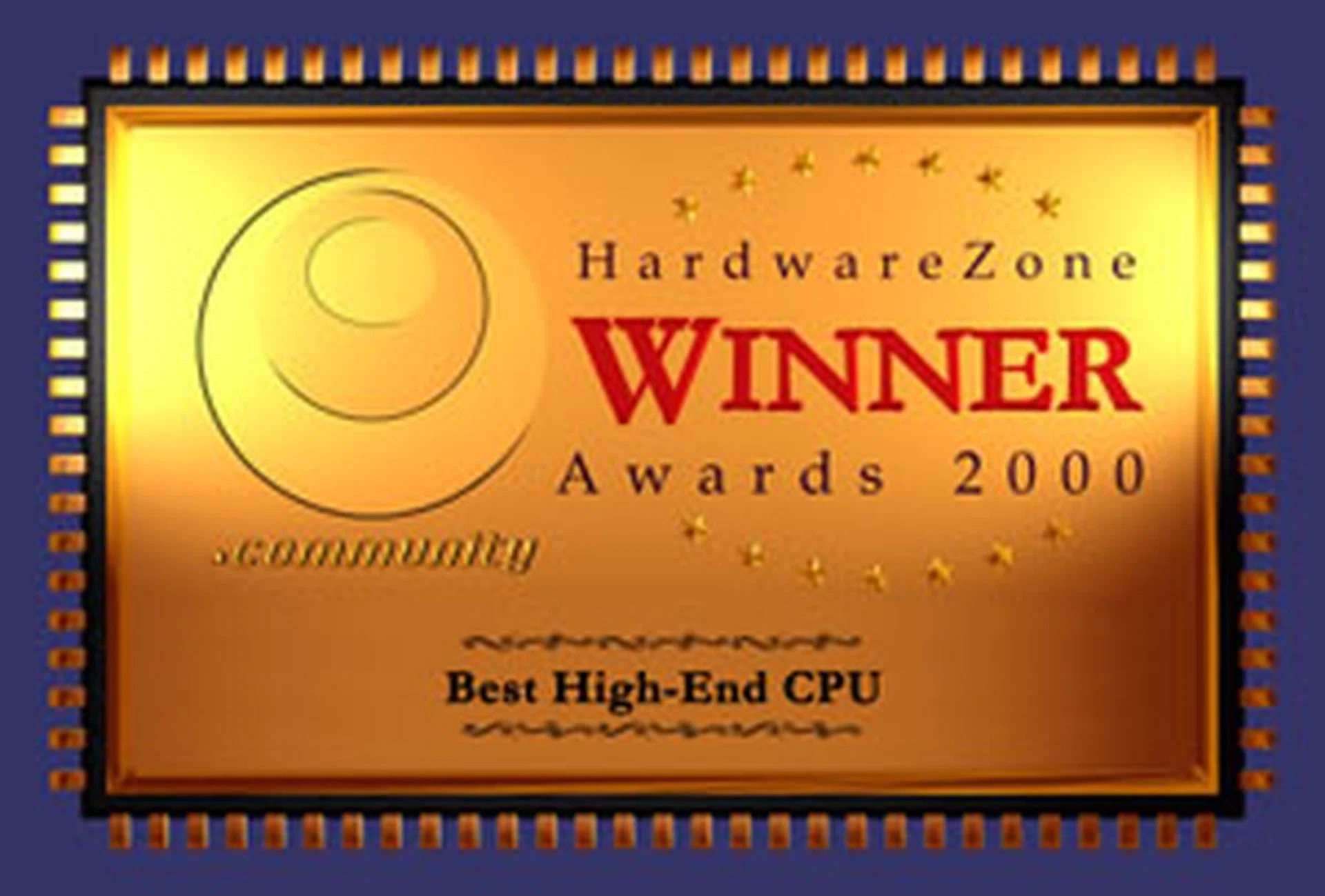
AMD's high point came with the Athlon Thunderbird and our benchmarks showed that it was a deserving winner.
Mirroring the high-end result was our subsequent low-end processor shootout, which found the AMD Duron predictably clinching the award against Intel's Celeron. As succinctly expressed by us, "the Duron is a 'Natural Born Winner' and it just beats the living daylights out of an Intel Celeron."
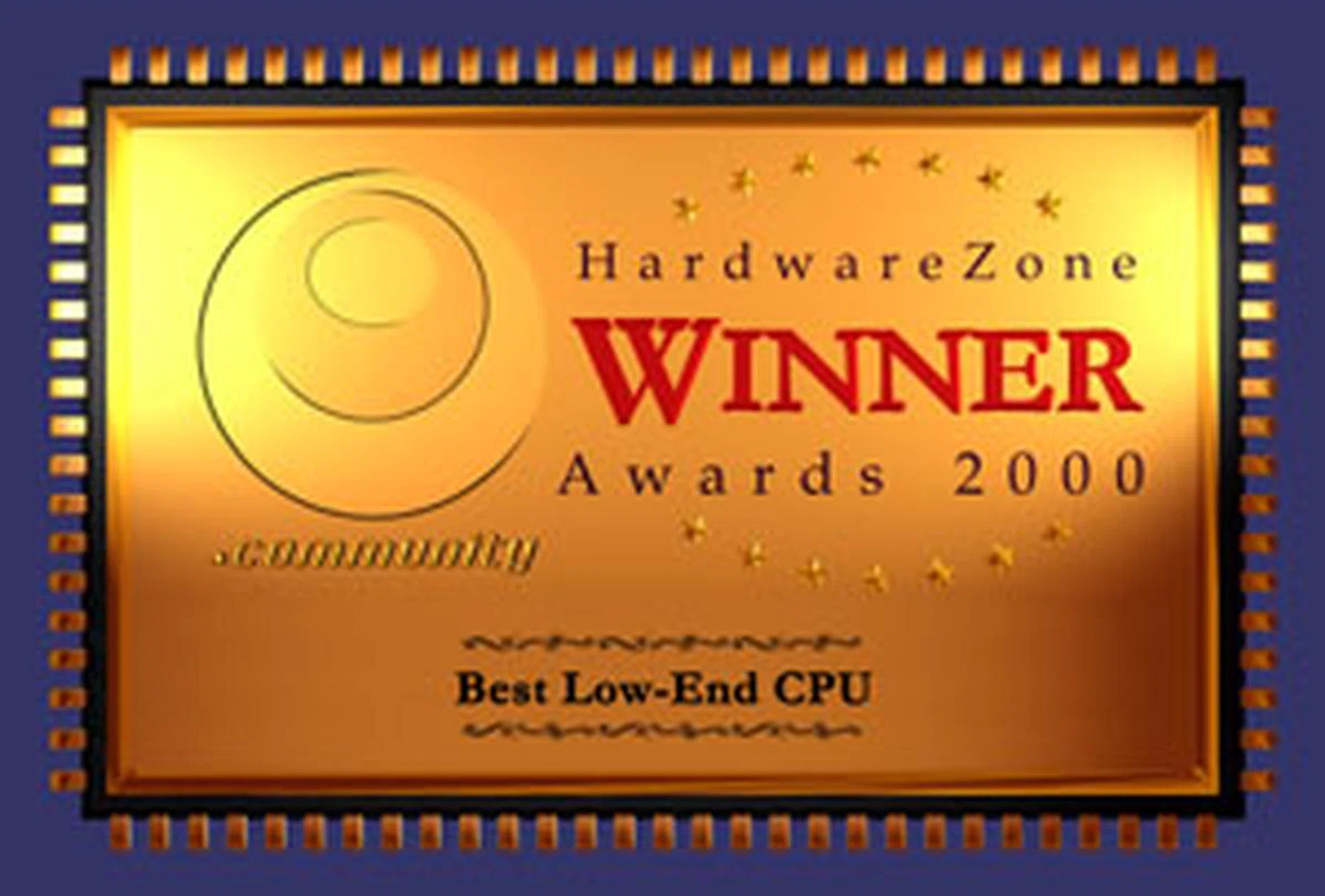
Taking the low-end segment as well was AMD's Duron in our Hardware Zone Awards.
While the K7 micro-architecture certainly deserved its time in the spotlight, its undisputed superiority would be coming to an end in the next couple of months. A new Pentium III core, the Tualatin was also released, as the chip giant sought to improve on its power efficiency. It was found to have "performance matching the Athlon, the Tualatin could very well give users a good alternative to using AMD's power hungry Athlon processor." However, it was not widely available locally. Meanwhile, Intel was ramping up the clock speed and production of its Pentium 4 and though not yet dominant, it would soon be a more interesting and competitive environment.
The Motherboard Evolution in 2001
- Intel's i815 chipset the year before got almost everything right, but its cost held users back. To enthusiasts, the presence of a relatively weak integrated graphics was unnecessary and it only served to increase the price of a i815 motherboard. Hence, Intel took that into consideration and removed the integrated graphics, creating the i815EP chipset in the process.
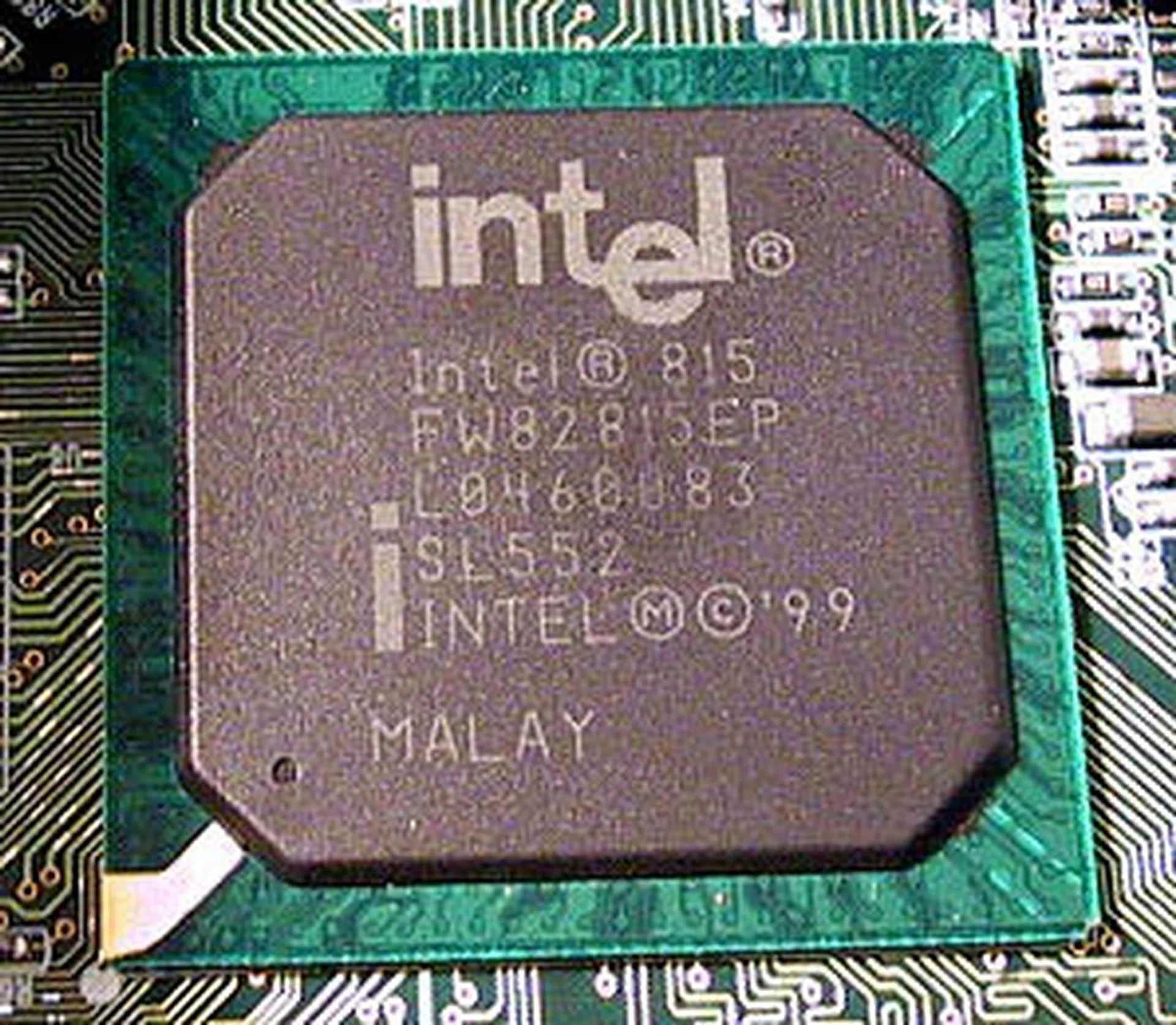
The Intel i815EP chipset resolved some weaknesses with Intel's current chipset lineup but it was far from perfect.
Essentially the i815 without the graphics, the i815EP had some things going for it, like ATA100 support but at the same time, it was limited to only 512MB of total memory. Compared to the 1.5GB and 2.0GB possible on a VIA equivalent, this was quite pitiful. Also, the removal of the graphics core was not sufficient to make the i815EP price competitive with VIA's offerings. As we said than,
- AMD's Athlon Thunderbird continued to put out excellent performance its Intel rivals and this meant there was a growing community of users. There was however quite a few third party vendors offering chipsets, like ALi and VIA. The beginning of 2001 would see a frenetic launch of chipsets.
VIA would update its KT133 chipset to KT133A, with a faster 266MHz FSB first in January 2001. This was necessary as the latest Thunderbird had already gotten a speed boost, with a FSB increase to 133MHz (266MHz). We only managed to preview a DFI AK75-EC board using the new chipset in March 2001 though.
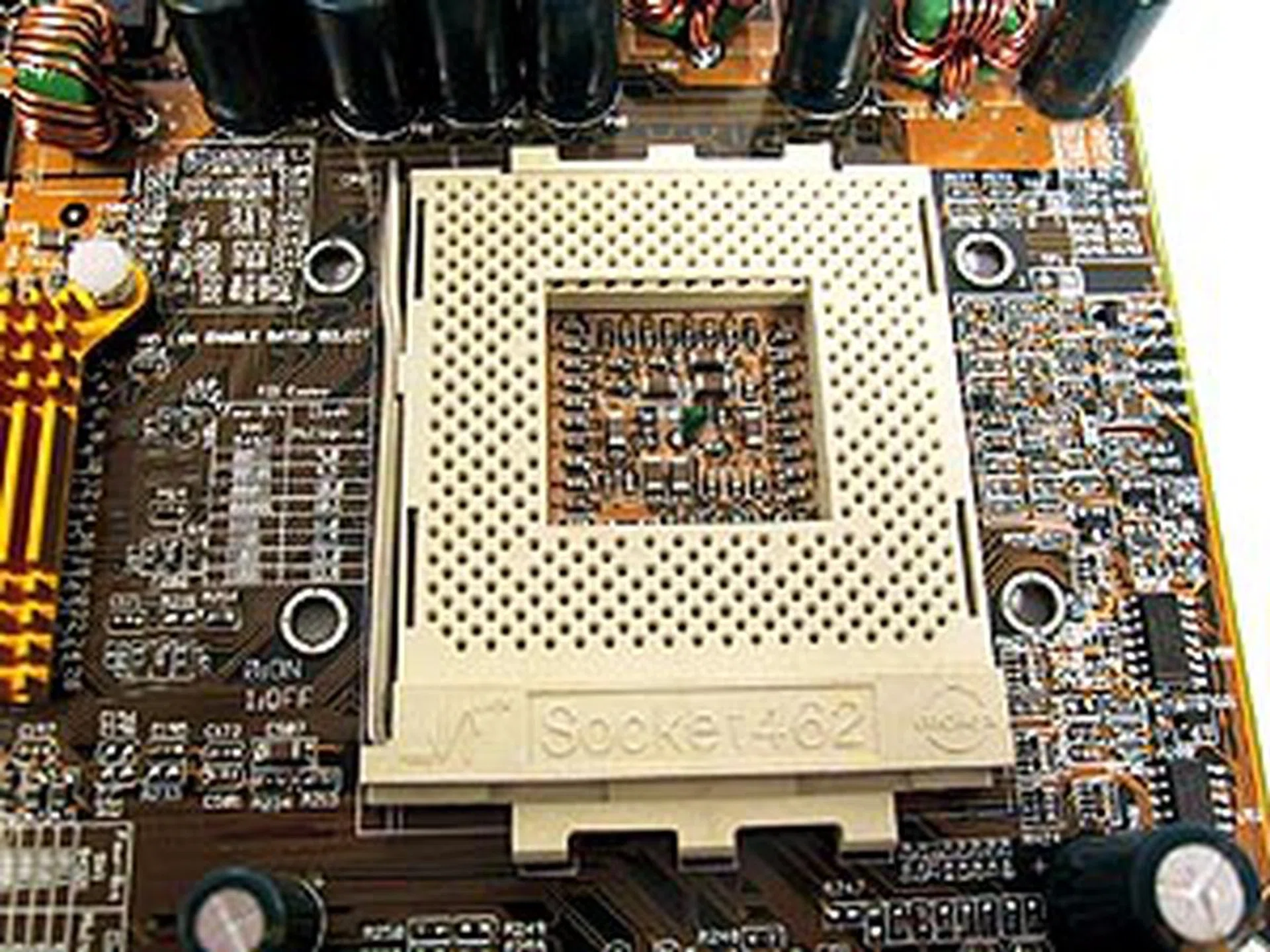
The Socket A on the DFI AK75-EC.
- VIA was to soon debut its DDR board for the AMD platform, the KT266 but obviously, AMD was supposed to take the lead when it came to its own processor. In fact the AMD 760 chipset was released in February 2001 but its price premium (apparently, the boards were on 6-layer PCBs and not the more common and cheaper 4-layer) and the price of DDRAM meant that it was not popular with consumers. Instead, all eyes were on VIA and its upcoming DDR chipset. The consensus then was that despite performance that was slightly weaker than the AMD 760, its cost made it attractive and we were soon to find more KT266 boards in the market.
- It was a busy year for VIA as the company also followed its Pentium III Apollo Pro 133 and 133A with a chipset targeted at the Pentium 4. This was the P4X266 but Intel did not license the rights to production to the company and this was a serious dampener on its prospects for adoption. There was even a lawsuit by Intel regarding this.
This meant that Intel's own reference i850 chipset was the only option but that was RDRAM and again not attractive to most consumers. SiS instead filled in the void, with a new SiS 645 chipset that is capable of using DDR 333 memory and most importantly, had the blessings from Intel. As usual, we had access to a SiS 645 motherboard and found that ""
- 2001 was also the year that NVIDIA made its first baby steps in the chipset business. The GPU company ventured into the AMD arena with the nForce series, which was available in three variants at launch, the 220, 415 and 420. Hardware Zone had a comprehensive article by Vijay Anand on the new nForce chipset, especially about its novel use of dual channel DDR memory and the use of a
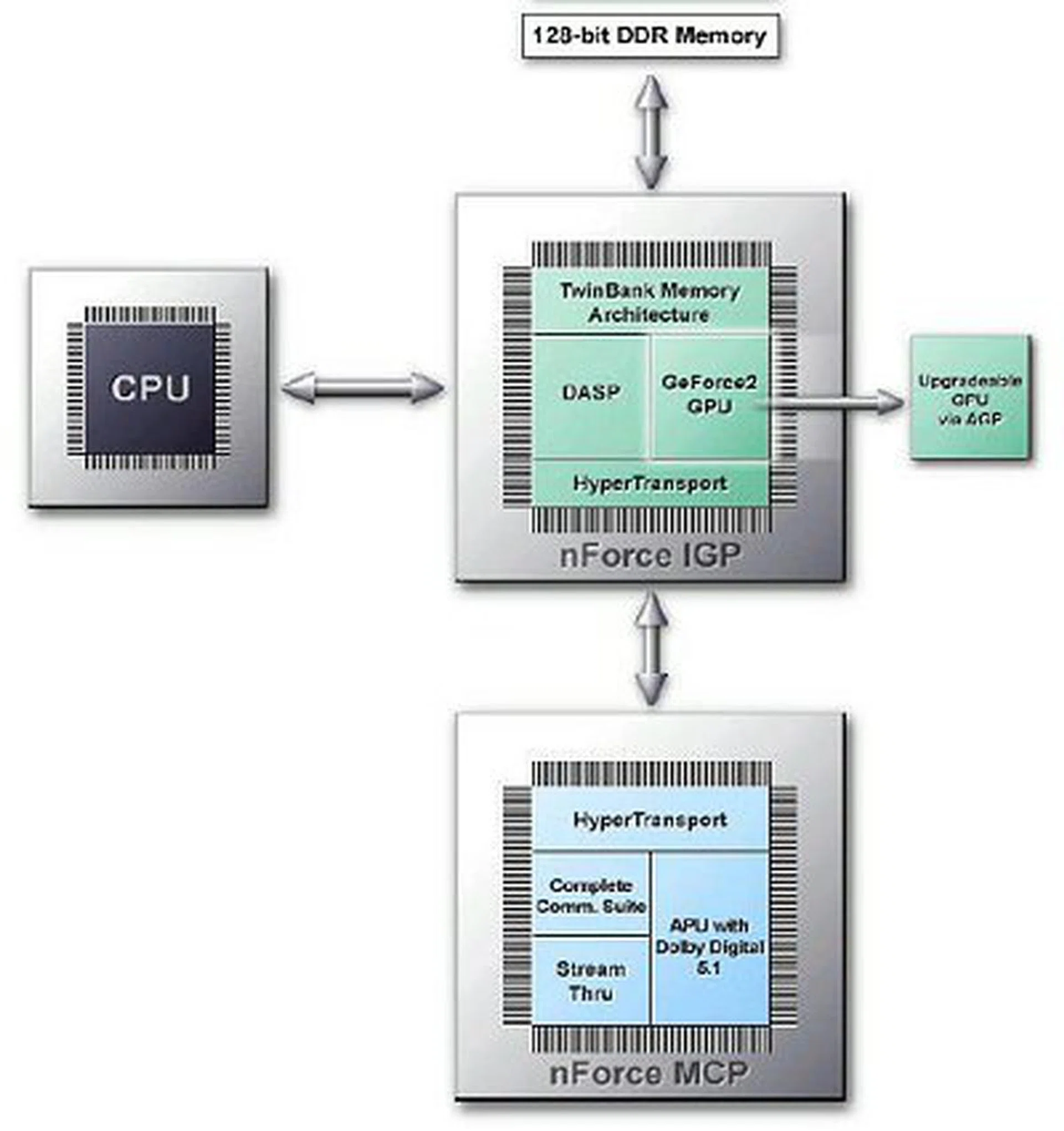
A new player enters the chipset business. NVIDIA's motherboards would become one of the more important chipsets in the industry for both AMD and Intel platforms.
The Memory Scene in 2001
In 2001, the three main competing memory formats were still jousting in the market. We took a long look at them in our article where we compared PC133 vs. DDR vs. RAMBUS to find out which one was the performance and price winner. At that time, was in obvious decline while DDR SDRAM seemed like the replacement. RAMBUS meanwhile remained too expensive for its own good.
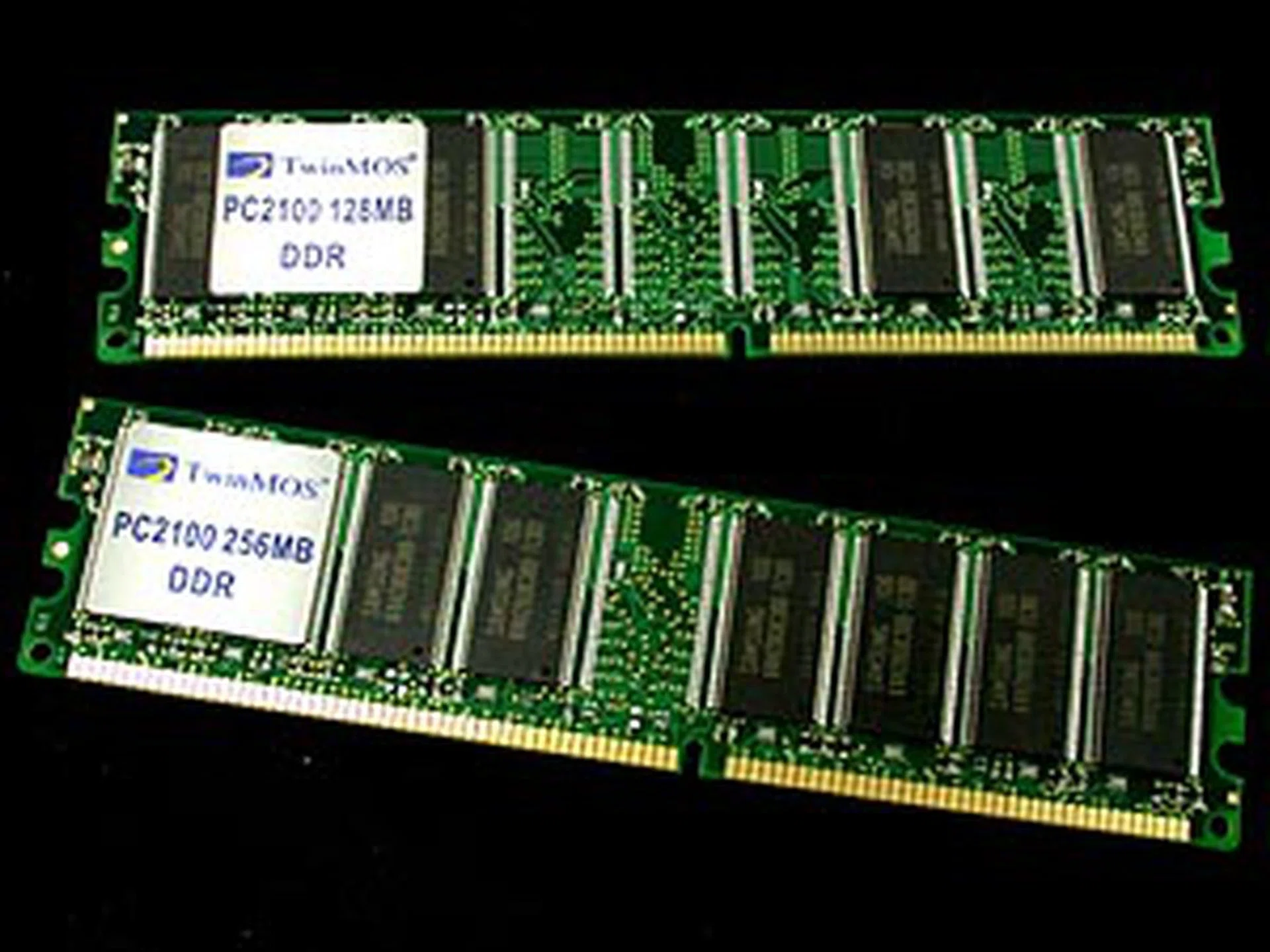
Place your bets on DDR technology folks, for that is where the future would be.
Our recommendation then was that DDR was indeed the future, especially if you were on the AMD platform. If not, PC-133 SDRAM would do in a pinch. Despite its high price, RDRAM proved to be the highest performer when used with the i850 platform. And unfortunately, as we all know, that was insufficient and DDR would become the de facto standard for the next two years. Intel's launch of its i845 chipset in 2002 supporting DDR200 and 266 was an admission that consumers wanted DDR and not RAMBUS.
The GPU Scene in Year 2001
- This year, Microsoft introduced DirectX 8.0, which implemented Programmable Shading. This allowed for T&L processes at the pixel-level, resulting in more realistic graphics.
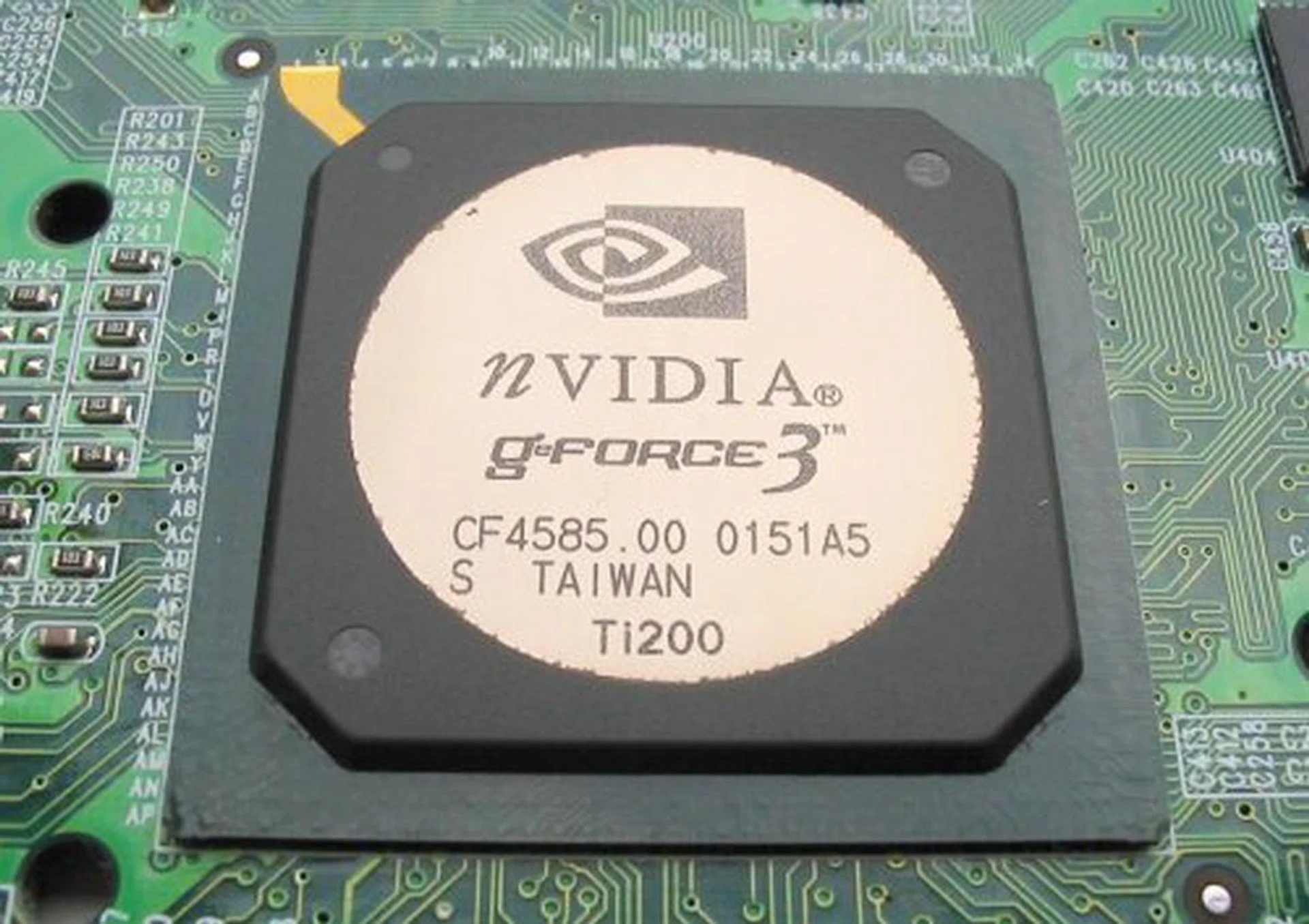
The follow-up to the immensely successful GeForce 2 - the GeForce 3. It was also the first card to fully support DirectX 8.0, and hence, Programmable Shading.
- In response to this move by Microsoft, NVIDIA launched the GeForce 3, the first card to fully support DirectX 8.0. It wasn't groundbreaking in the same way NVIDIA's previous cards were and the GeForce 3 could even, in some cases, be outperformed by the older GeForce 2 Ultra.
- ATI, on the other hand, unleashed the Radeon 8500. Unfortunately, its launch was marred by problems with its drivers. Once that was sorted out, however, it proved to be a competitive card.
- S3, now known as SONICBlue, sold its graphics business to VIA, a chipset provider, for over US$300 million, choosing instead to concentrate on digital media. And although whatever technology VIA inherited from S3 was not powerful enough to compete with modern day GPUs, its low cost, however, made it an ideal integrated solution.
Notable Notebooks in 2001
- 2001 was also a year for our first Hardware Zone Awards, The five finalists were: Acer's TravelMate 350, Sony's VAIO PCG-Z505GA, IBM's ThinkPad X20-31A, Fujitsu's LifeBook S-4546 and Toshiba Portege 7200CT. After a pretty intensive review process which also included benchmark scores, the Sony VAIO PCG-Z505GA was declared the winner, though the Fujitsu's LifeBook S-4546 came a close second, especially since it had a CR-RW drive that was pretty new and innovative back in those days.
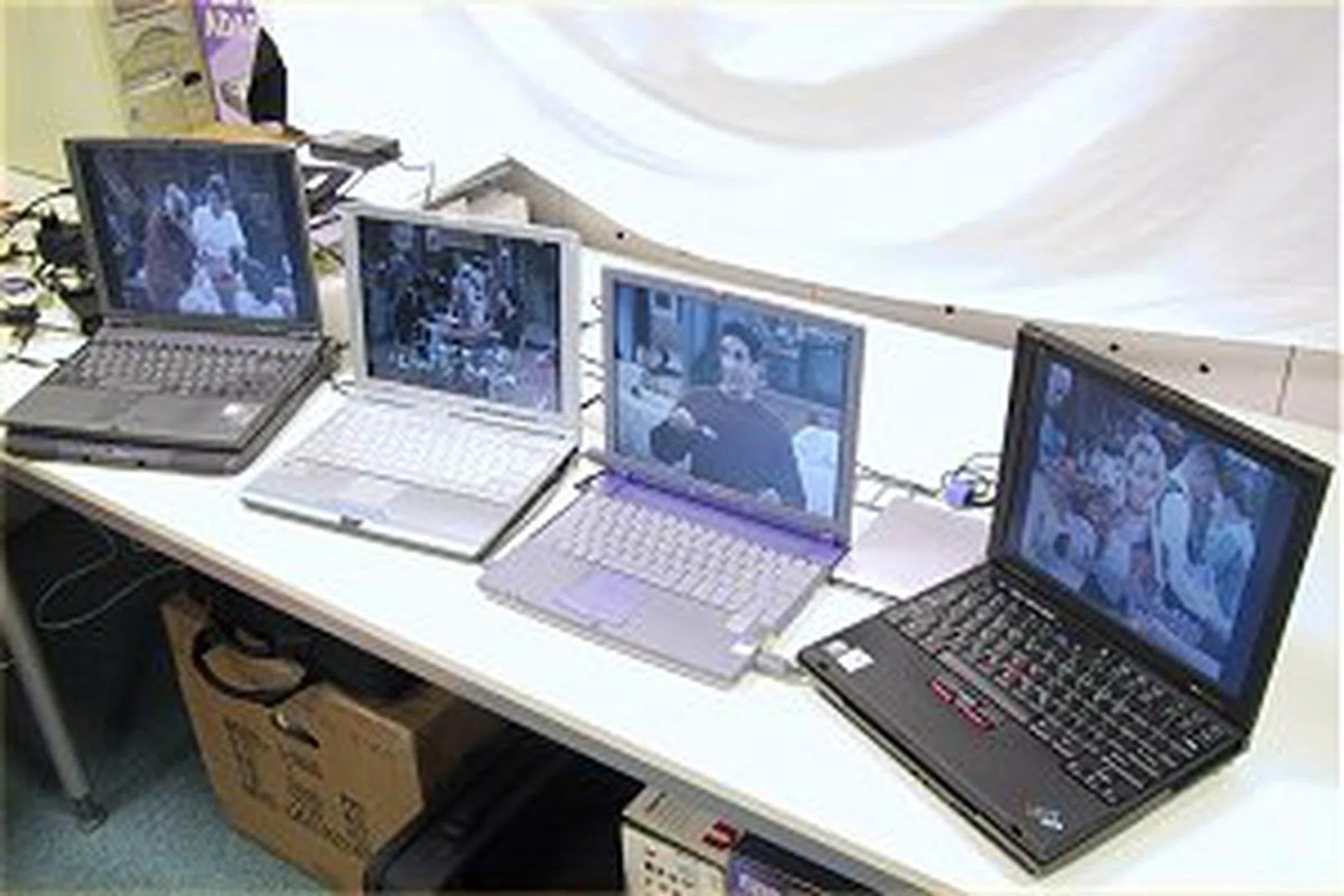
Four of the finalists - from left, the Toshiba Portege 7200CT, Fujitsu LifeBook S-4546, Sony VAIO PCG-Z505GA and IBM ThinkPad X20-31A.
- 2001 saw a review of the first Dell unit to grace our labs, the Dell Inspiron 4000, which was a colorful and pretty notebook with very decent specs. Featuring a Pentium III 800MHz processor and a ATI Rage Mobility-128 graphics card, the Inspiron 4000 also commanded a premium of S$4088 buckaroos, which was definitely jaw-dropping by today's standards. Given that the Inspiron 4000 was a solid workhorse for both productivity and multimedia performance, it should be a no-brainer that this was indeed worth the money spent.
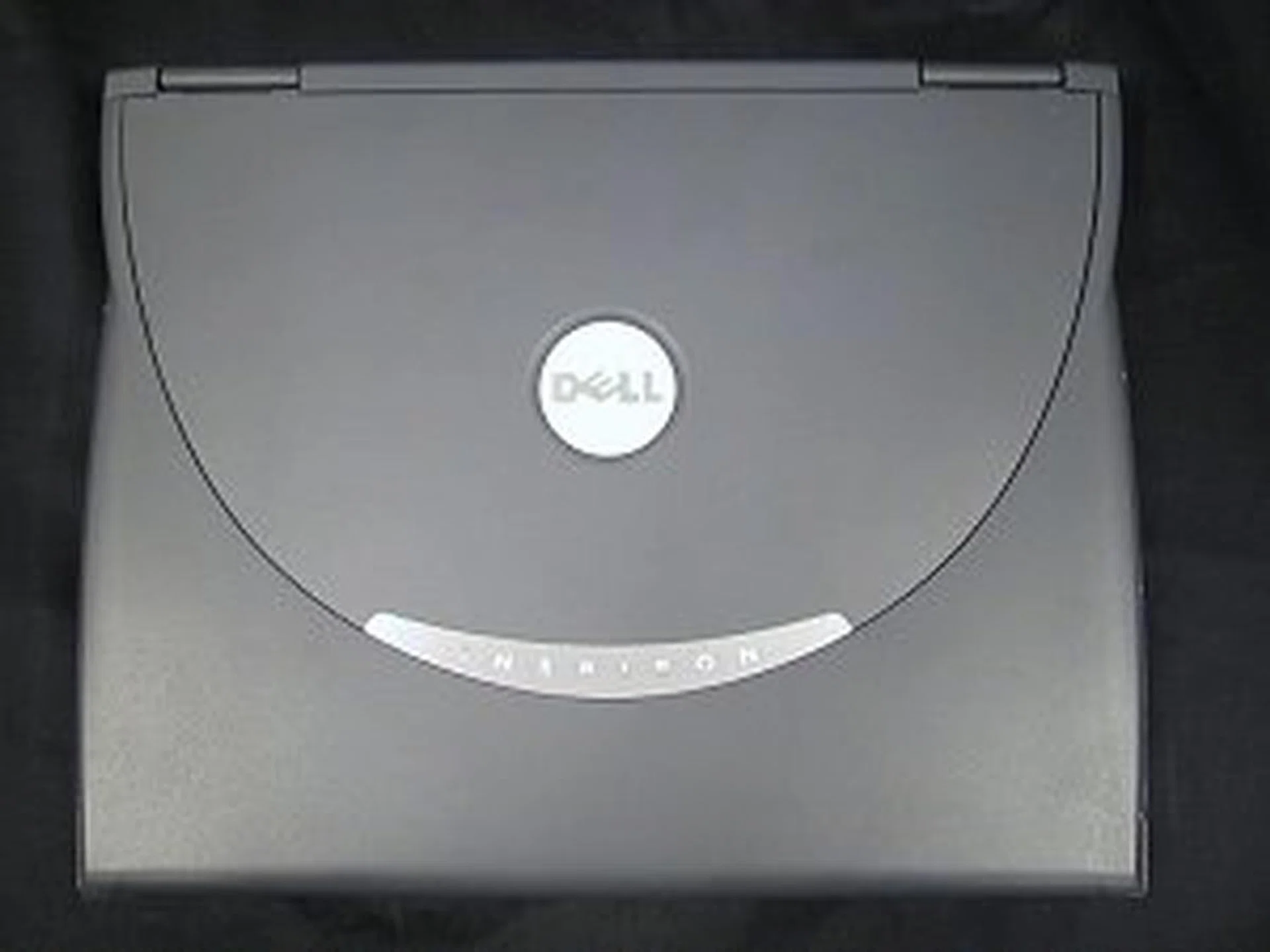
While the retail version had colors, our review unit was plain and drab.
- Apple's penchant for making the world's thinnest and lightest notebooks didn't just start with the Macbook Air. Back in 2001, they unveiled a a which featured a built-in DVD-Rom, measured just 1-inch (2.54cm) thick and weighed in at a comfortable 2.4kg. While it may have been pretty to look at, the cost of this 15 inch beauty which had a 500MHz PowerPC processor, 256MB SDRAM and a 20GB HDD would total in the regions of S$6388, which was sort of overkill, even for most Mac fans. The cheaper S$4688 version featured a 400MHz PowerPC processor, 128MB SDRAM and a 10GB HDD, which may seem laughable by today's standards.
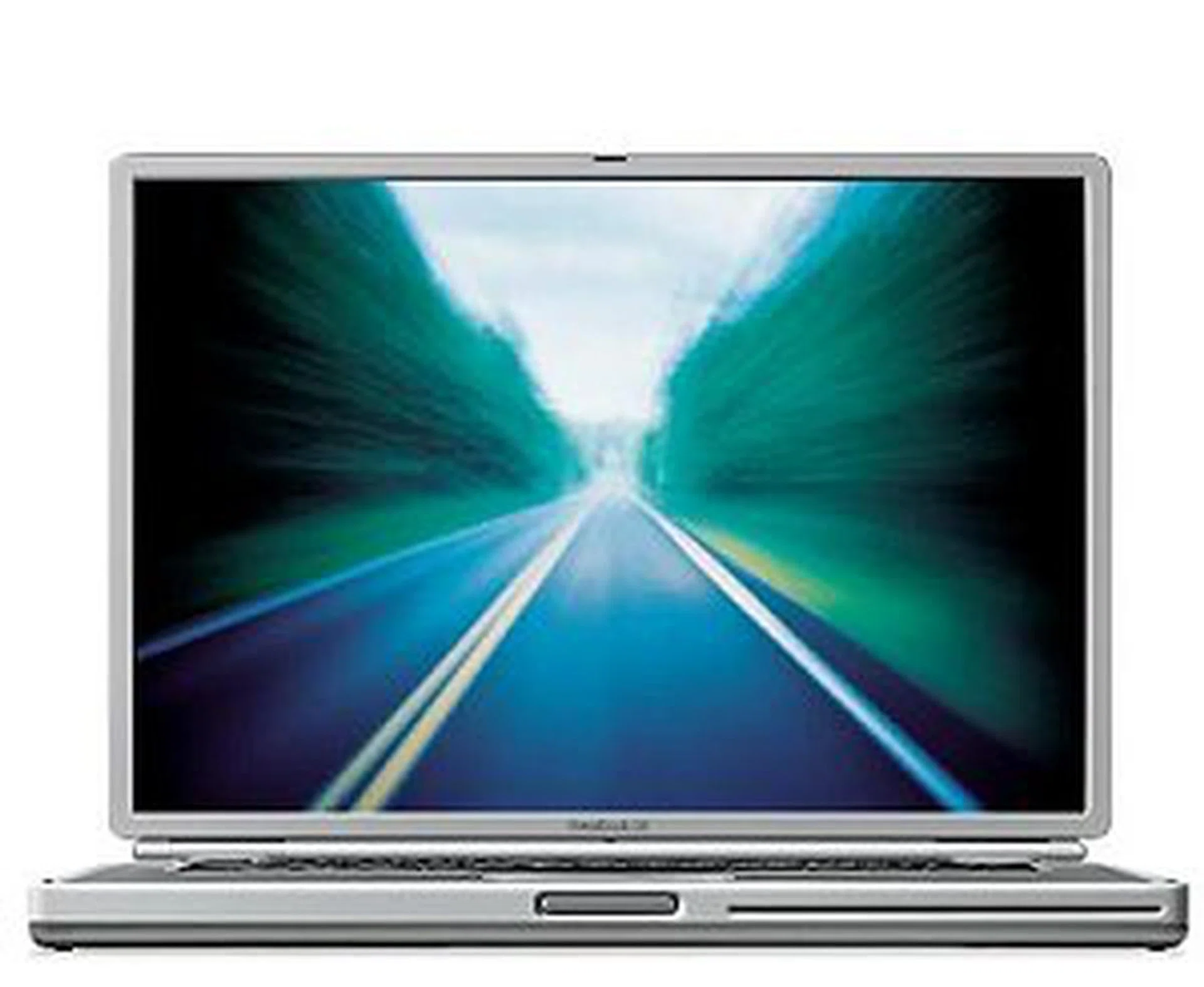
It's by Apple. 'Nuff said.
- The 1kg ultra-portable barrier was also broken during this time with, which used a Transmeta Crusoe TM5400 533MHz processor instead of the usual Intel platform. This indirectly led to the costs of the unit going down to sub $2500 levels at $2388, which was something amazing to say the least. Weighing in at 980g, the P-1000 traded connectivity and accessories for its lightweight size, which in the long run, would see this design influence hold true for the netbooks and UMPCs of today.
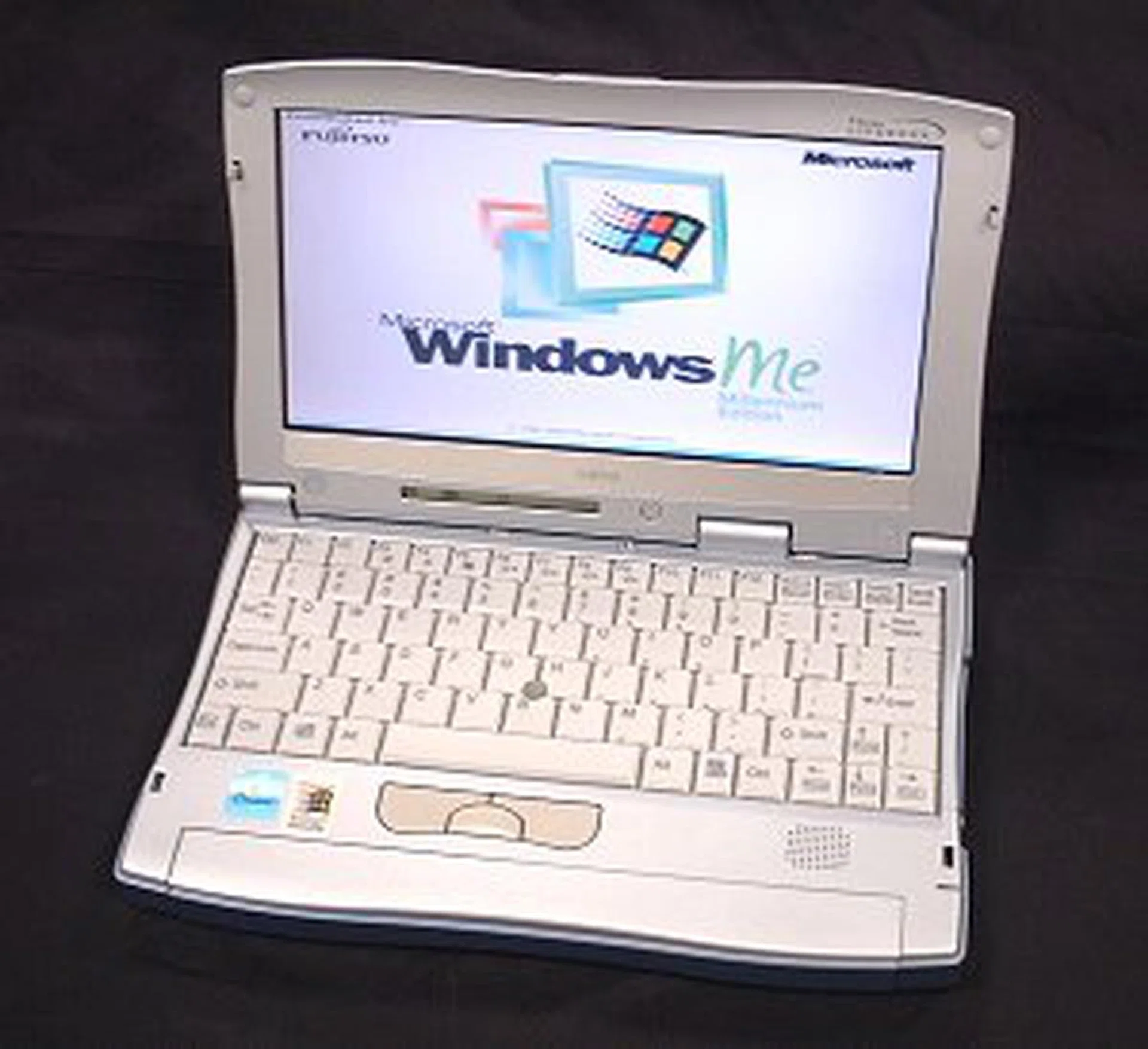
The Fujitsu LifeBook P-1000 weighed in at just 980g! Light, and pretty!
- Lastly, series was the second time we awarded our coveted 5-star rating then, and it was a richly deserved for the Inspiron 8000. Powered by NVIDIA's GeForce Go chipsets, the systems were designed from the get-go for gaming and high end computing. Pitted against its competitors with similar specs, the Inspiron 8000 fared better thanks to the extra 16MB of DDR video memory and was also much cheaper than its competitors at S$5437 for the Pentium III 1GHz version. Of course, such staggering sums of cash are really 'normal' for that time period, and we're glad to be seeing notebooks come down in price.
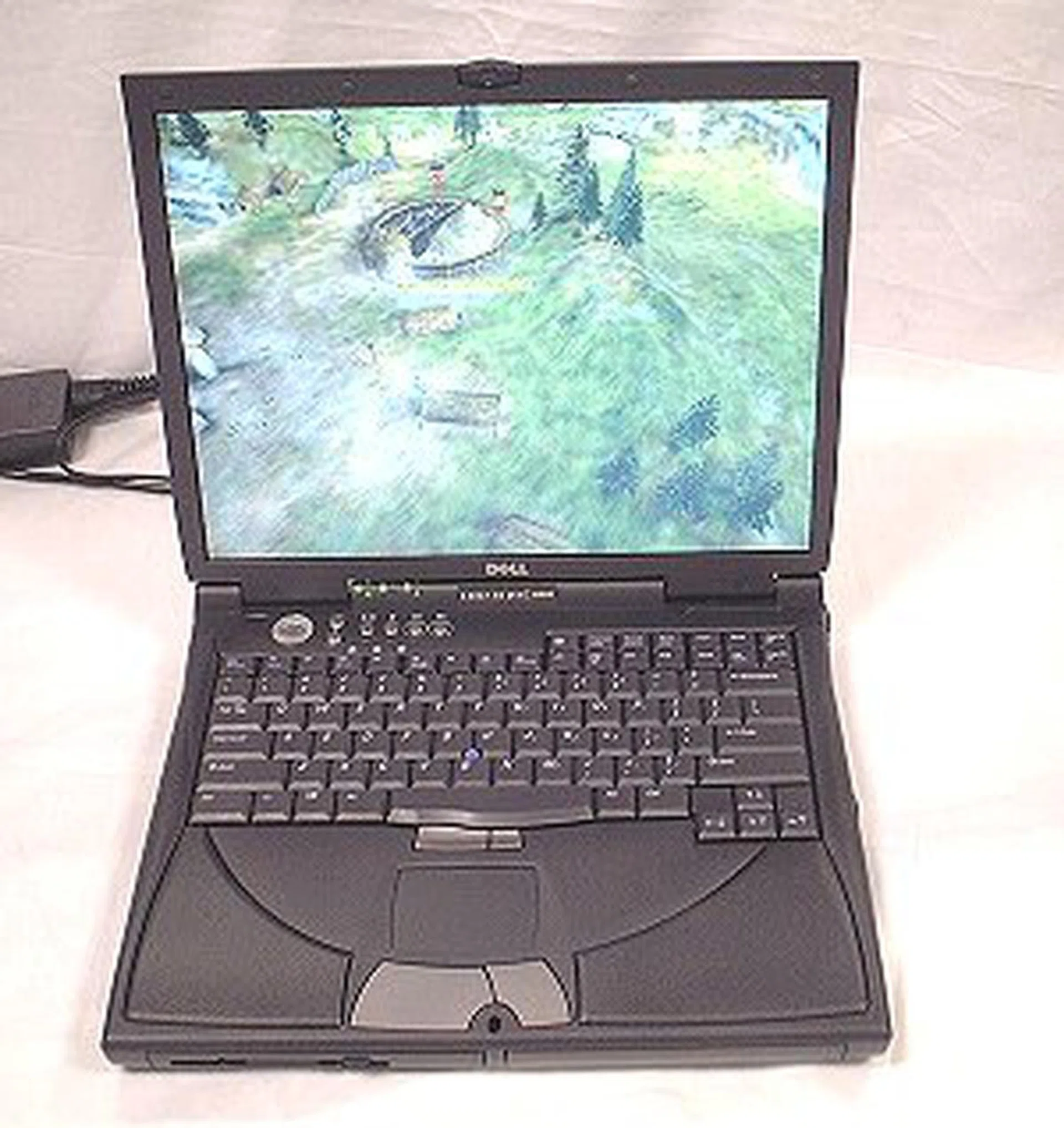
The second recipient of our five star rating was this gaming rig, the Dell Inspiron 8000
Mobile Phones in 2001
- By 2001, the winds of change were flowing in the market at that time when major manufacturers such as Nokia and Motorola saw a new competition on the block in the form of the joint venture between the Japanese consumer electronics giant Sony and Ericsson into the Sony Ericsson entity that would start a segmentation trend to target specific groups of consumers according to their varying needs. This would soon seep into the core values of various other manufacturers in the years to come, where the consumer demand became more stringent and varied.
- In the same year, www.hardwarezone.com made its foray into the mobile phone genre and started off nice and easy with the Siemens SL45 MP3/WAP Mobile Phone . To quote TechToyer, our inaugural mobile phone reviewer, "Siemens sent us the SL45 mobile telephone recently, and a fellow worker asked, "Are we reviewing mobile phones now?" Well, we're not. The feature that attracted us to the mobile phone (besides its galvanized appearance and attractive shape) is that it plays digital audio." In retrospect, it was the start of something that would develop into what we see on current devices. A cellular phone doubling as an organizer, a media player and many more, the Siemens SL45 will be what mobile phones become.
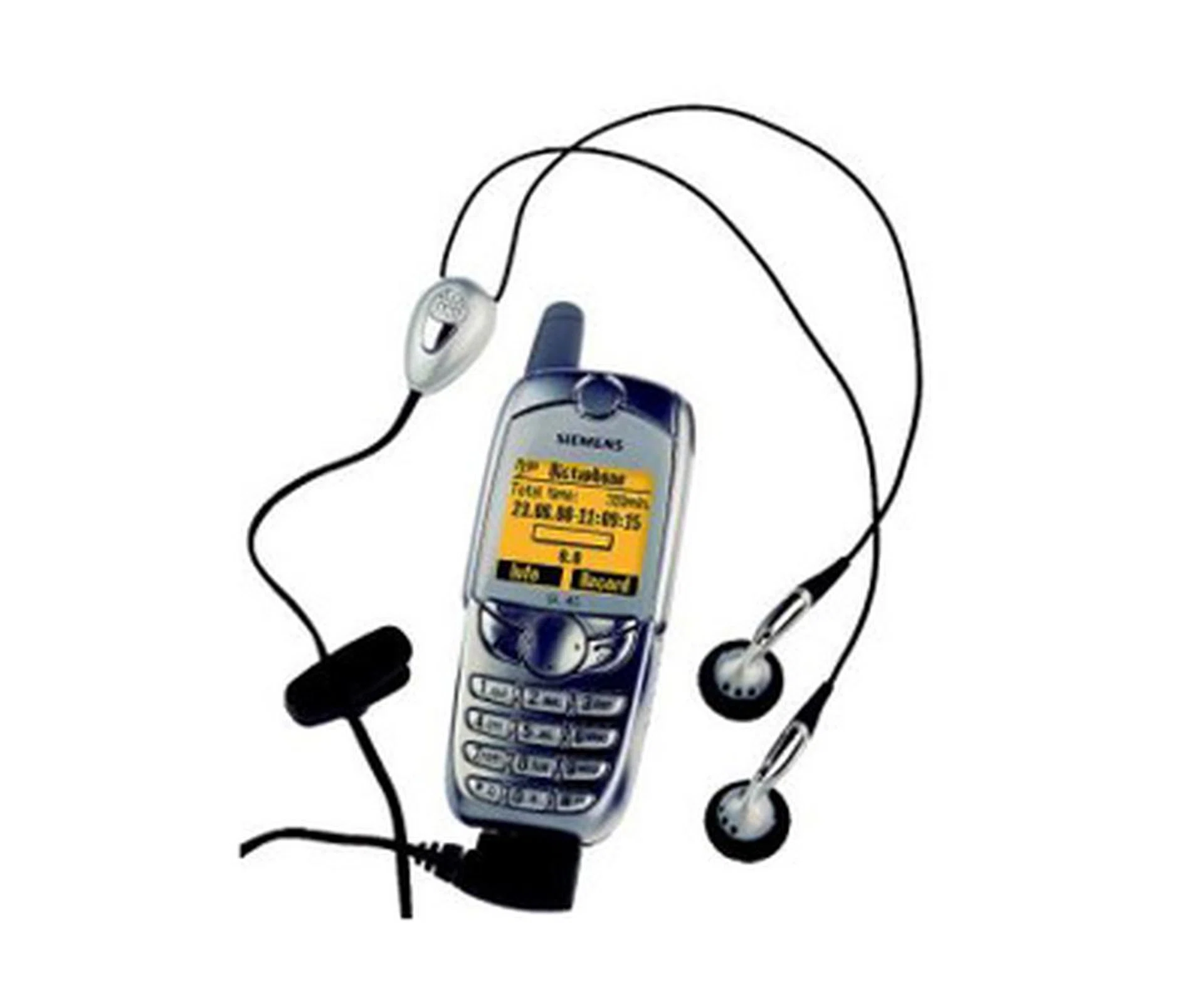
Back then in 2001, though the Siemens SL45 was meant to be reviewed based on its then impressive capability as a phone with varied features, it was the trigger that brought www.hardwarezone.com into the mobile phone review business.
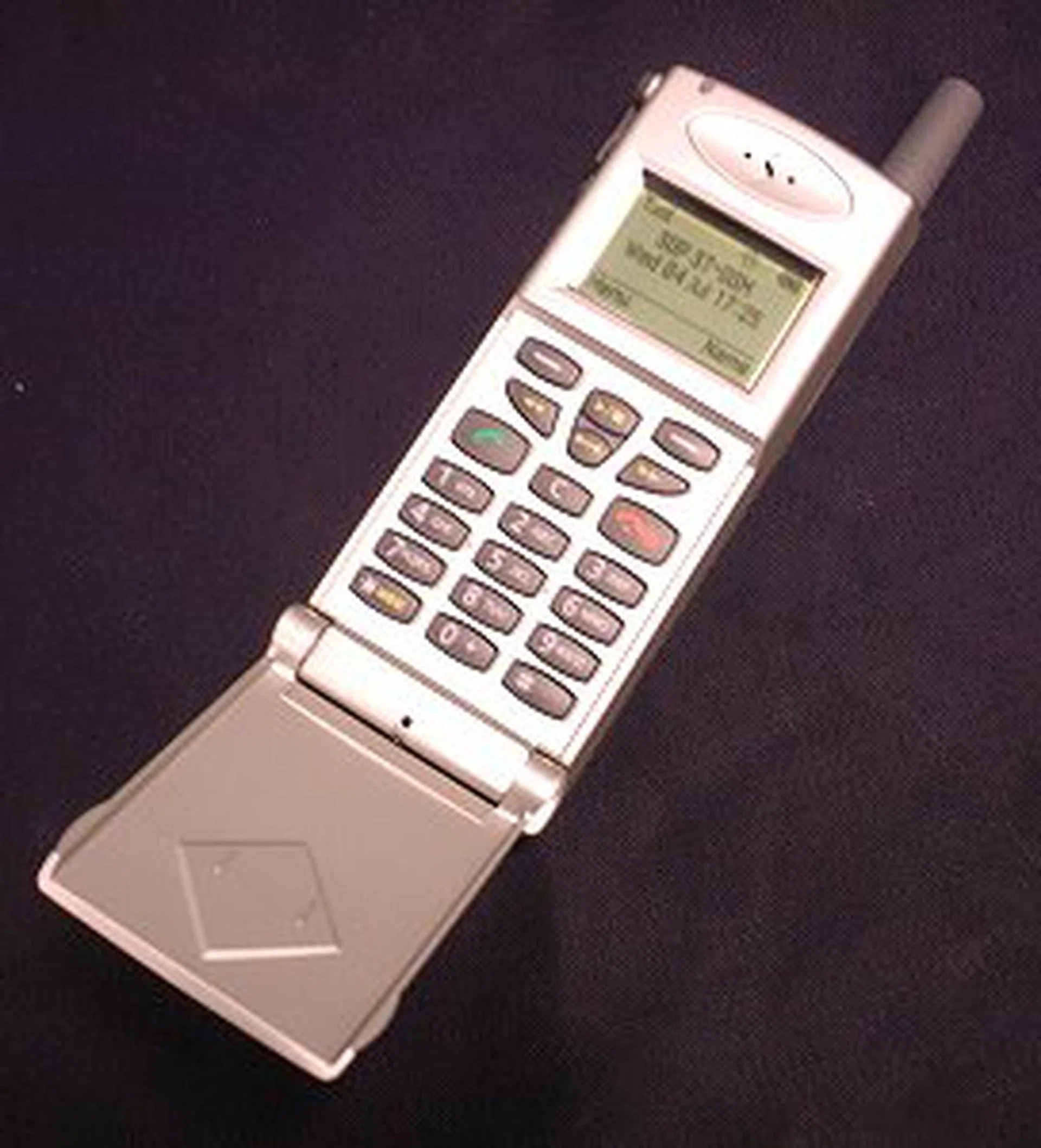
As we mentioned, it was the beginning of something big, and we also got our hands on the Samsung SGH-M100 MP3 phone back in 2001. Looking back, it seems convergence was already on the table, and has grown tremendously in the short span of 7 years.
- Considering a few key points in the cellular frequency development, one must not forget that travelers might encounter varying GSM frequencies as they hop from one continent to another. Thus, at a time when dual-band or tri-band phones were far and few, Motorola introduced a series of phones that fits the bill, and one of which featured was the Motorola V. series 66 .
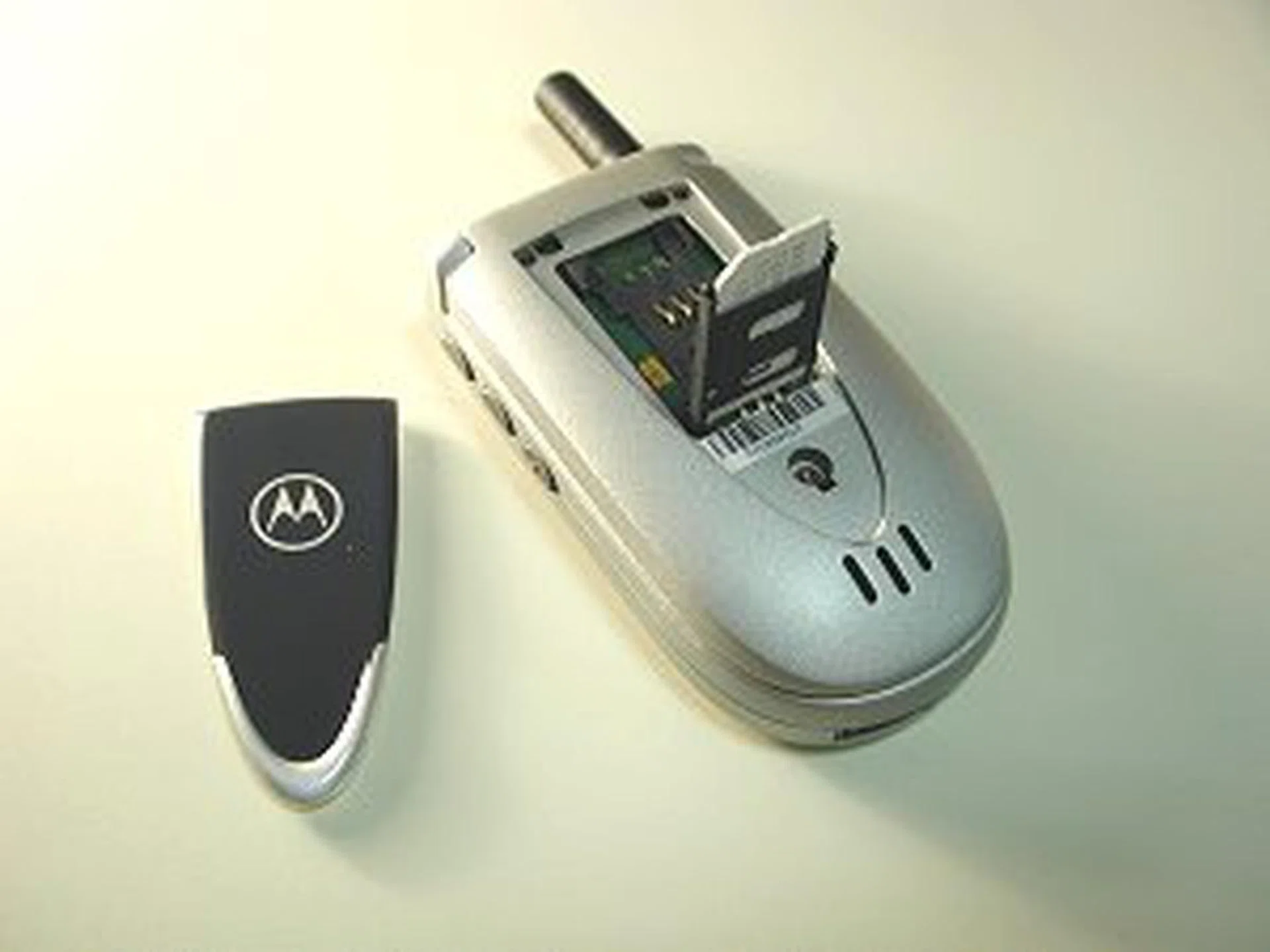
Clamshell phones, though not exactly new in the market, was one of the definitive designs that put the word "mobile" in mobile phones with its petite design. In its heydays, the Motorola V. Series 66 managed to capture the attention of consumers who seek a convenient and easy to use device, which was all found on this Motorola product.
Portable Media Players in 2001
- While Napster was facing the lawsuit that dramatically changed the face of online music distribution, Apple created a stirring presence with its iPod in the year 2001, making it a force to be reckoned with. Starting off with its 1st generation iPod Classic released on 23rd October 2001, the iPod brand came with 5GB worth of storage capacity (and 10GB at a later time) that caters up to thousands of tracks in the device. But what really brought the iPod out into the limelight is its design factor that was ahead of its time, creating a niche market amongst Apple users.
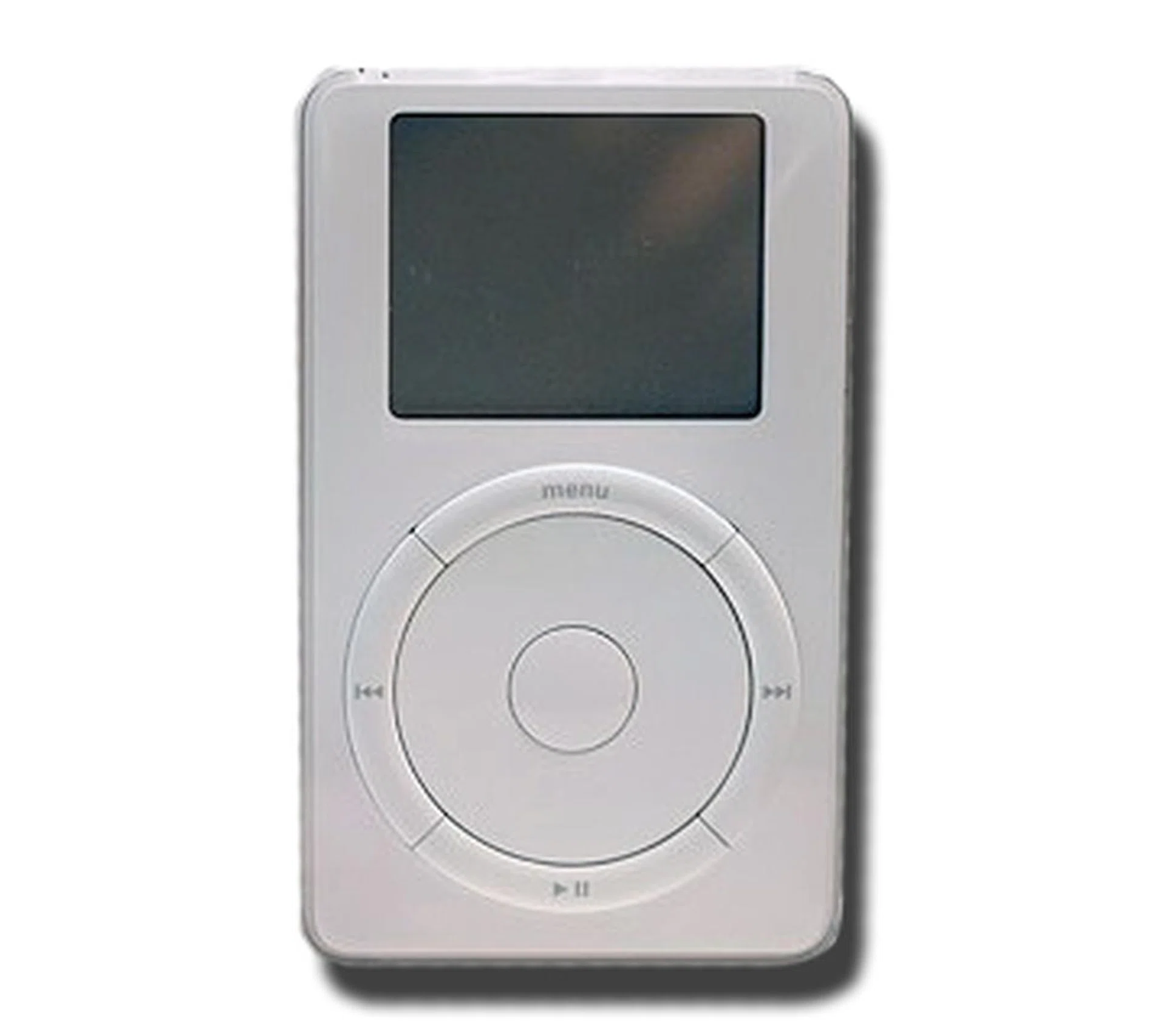
Apple stirs up the digital audio player with the introduction of their first generation iPod, which will see a whole lot of changes in the next few years.
- Winamp and Windows Media Player were predominantly a Windows-based audio player for the PC, and with Apple, it also saw the inception of their very own audio player for the Macintosh platform, iTunes. Undoubtedly, the introduction of iTunes to synchronize with your iPod is one of the main features for the Apple user, but in time to come, the iTunes platform would play a big role with the iPod series.
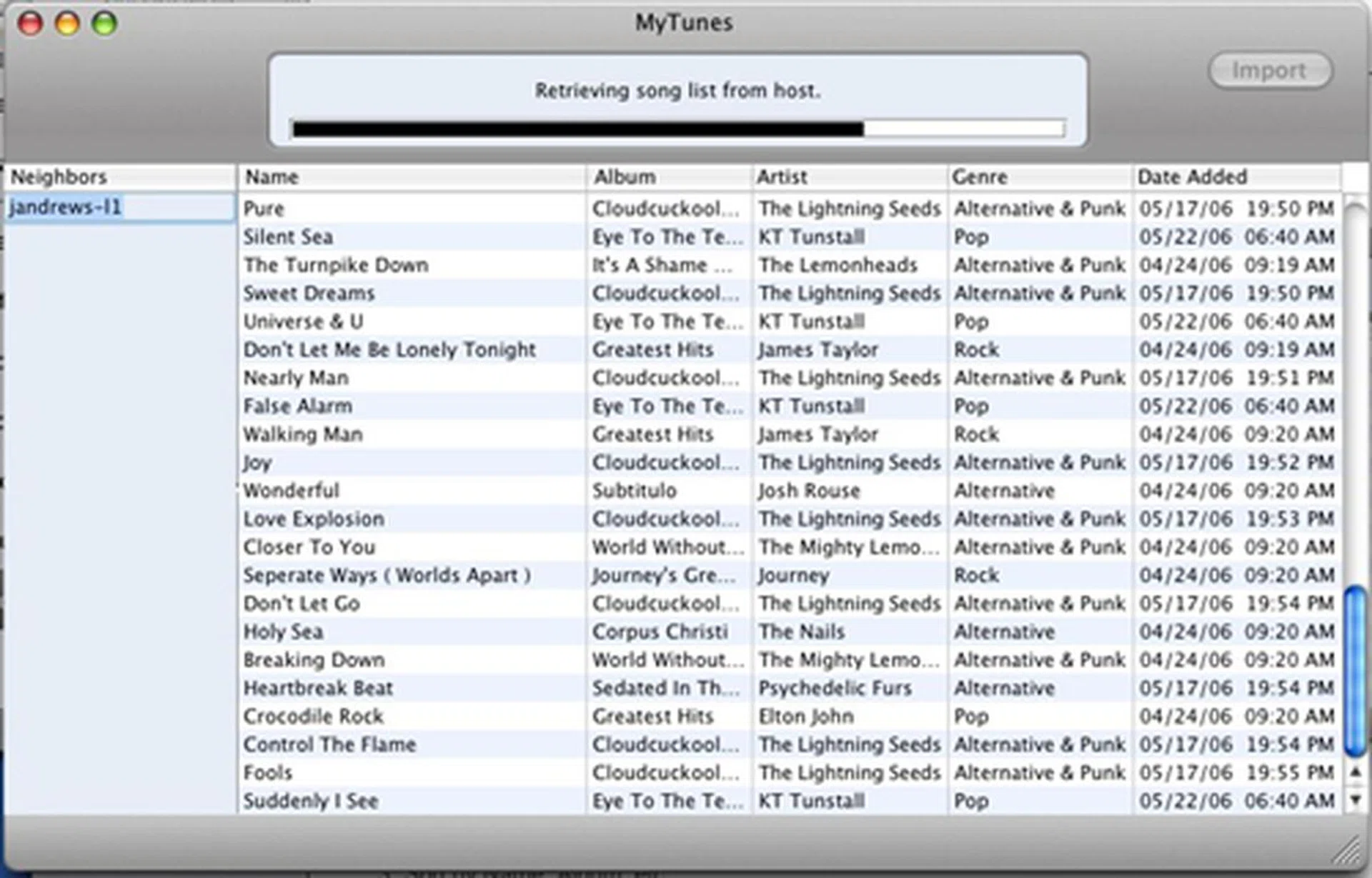
And on the software front, 2001 was also the year when iTunes version 1.0 came into being, paving the way for Apple users to synchronize their iPods with their Macintosh, and in the future, with their Windows PC.
Our articles may contain affiliate links. If you buy through these links, we may earn a small commission.