
CeBIT Hannover 2007 (Part 5)
In our Part 5 coverage of CeBIT 2007, we look at booths from Altec Lansing, AMD, Chenbro, Corsair and ProDisc. Highlights include Altec Lansing's new home entertainment products, AMD's various showcases including DTX, more DTX sightings at Chenbro, Corsair's new flash and memory products and some next-gen optical media at Prodisc.
Altec Lansing's Booth
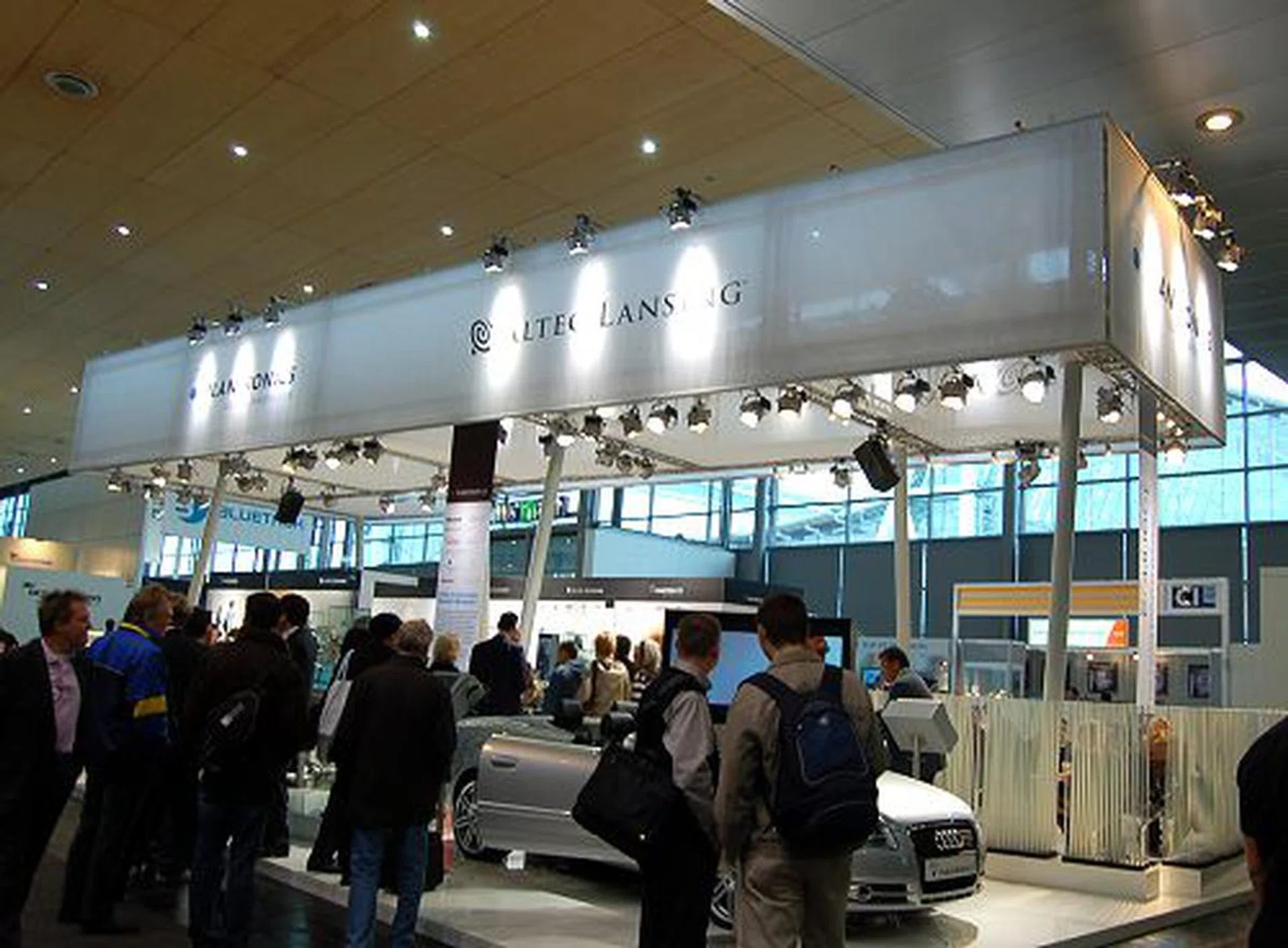
Altec Lansing was very prominent this year, with its focus shifting to provide more solutions for households.

We had the pleasure of being briefed by Luc Ackaert, EMEA Marketing Director of Altec Lansing. With the move towards more home-centric products (and in a way re-entering the market where the company once focused), he explained that Altec Lansing will be modifying its end-user sales model to encompass demo rooms and the likes to better educate and convince the masses of its lineup. This will take some time to kick into effect but they understand that it is an important link to consumers and they can't rely solely on the traditional method of just flooding retail channels with their products.
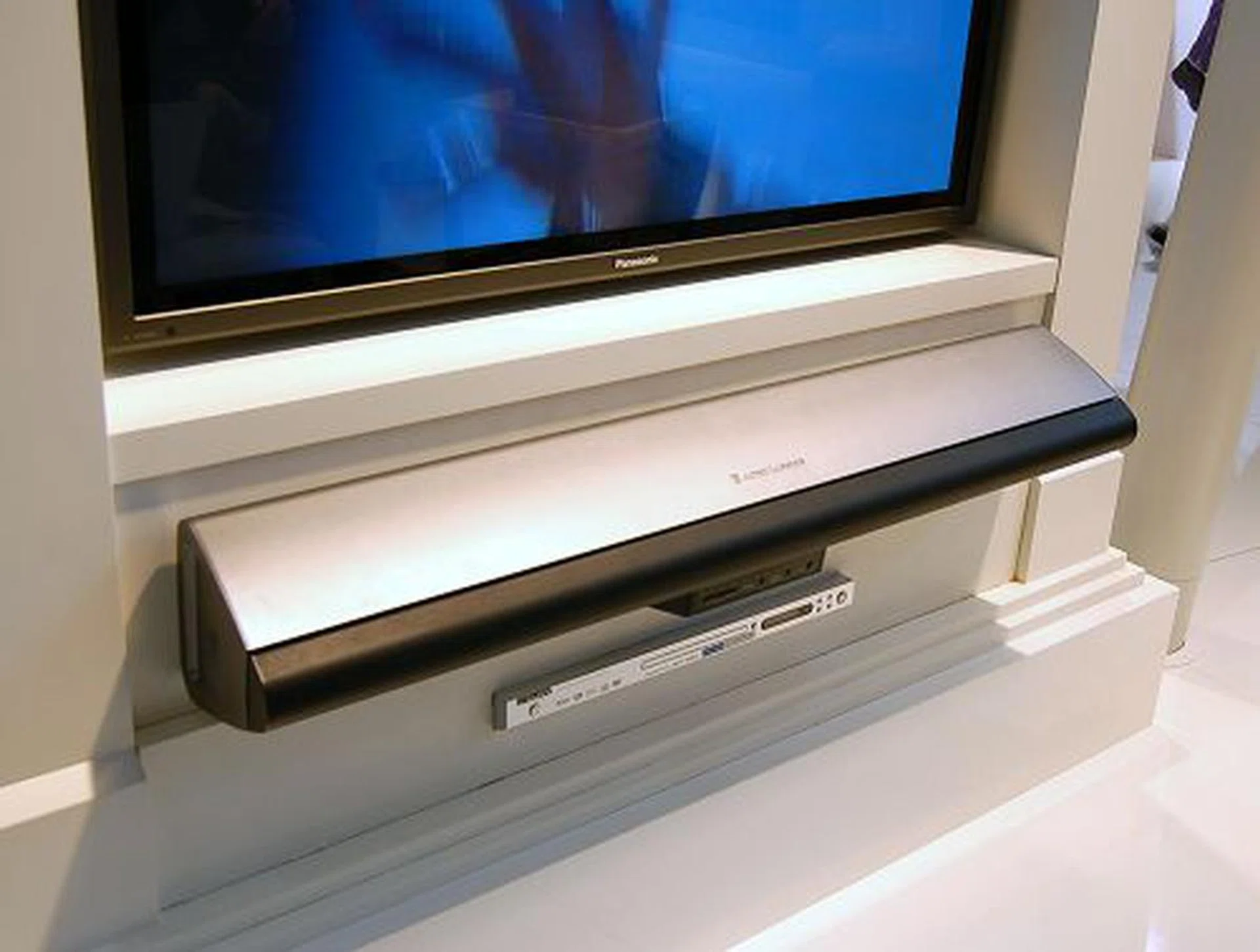
This is the PT7031 single-unit sound system that replaces separate A/V receivers and multiple speaker units. Using the system's NXT flat-panel technology to reflect sound off the walls, the unit is able to provide a complete multi-channel Dolby surround sound processing. With a more aesthetically pleasing design, it looks like it is going to give Yamaha a serious competition. Comes with a universal remote control and this one-unit surround sound system is expected to be available in after June this year.
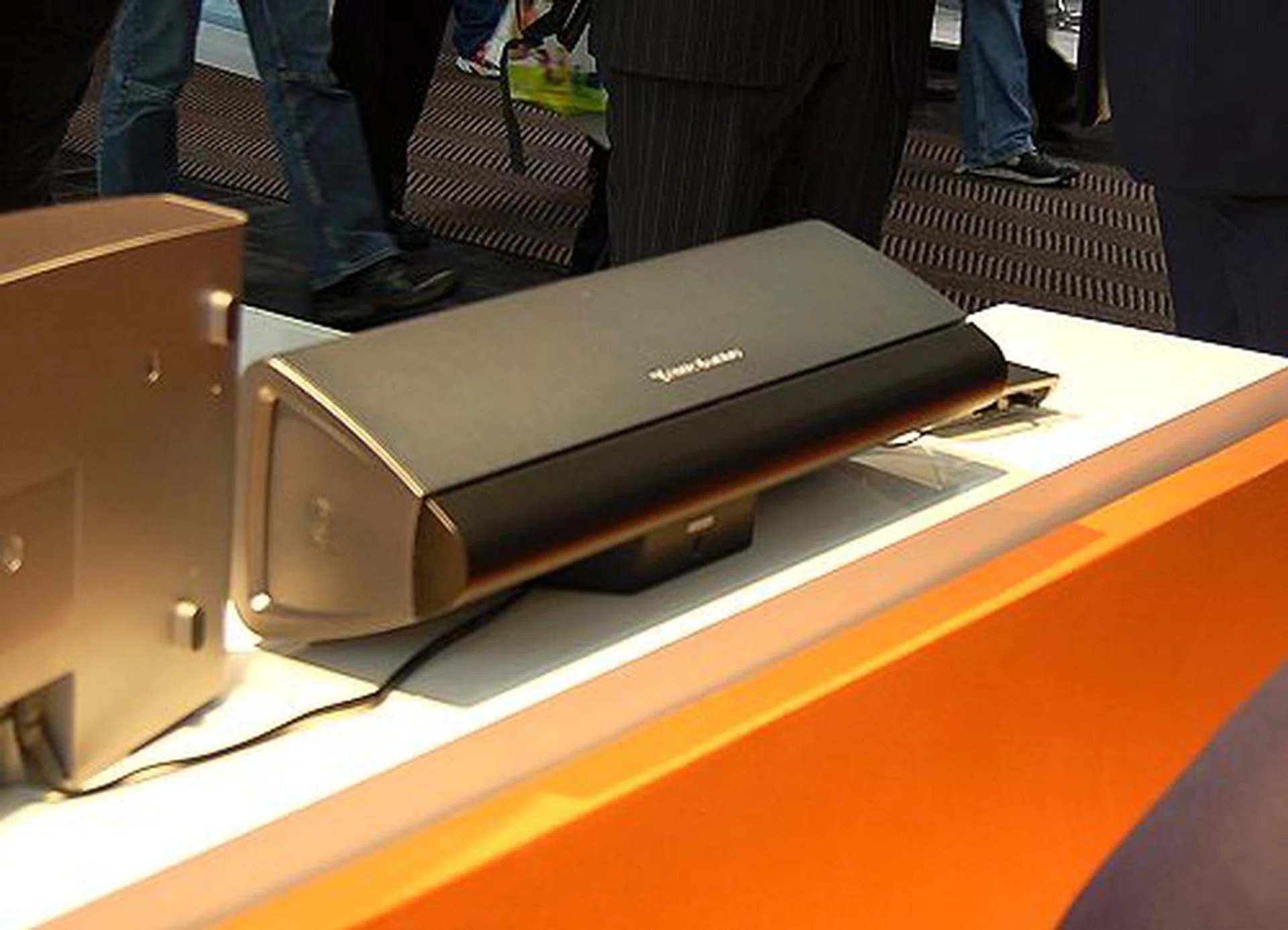
Another version of the above ships with a wireless rear speaker unit and this is known as the PT8051 surround sound system. The main speaker unit for this model differs from the above with the inclusion of a wireless transmission module. For those who can accommodate this two-unit sound system, this will definitely provide more accurate surround positioning and the entire PT8051 system sounded pretty decent from our test trial. Excellent for flat panel TV owners who don't want the clutter of an audiophile's sound system and aren't too demanding.
More Altec Lansing Audio Solutions
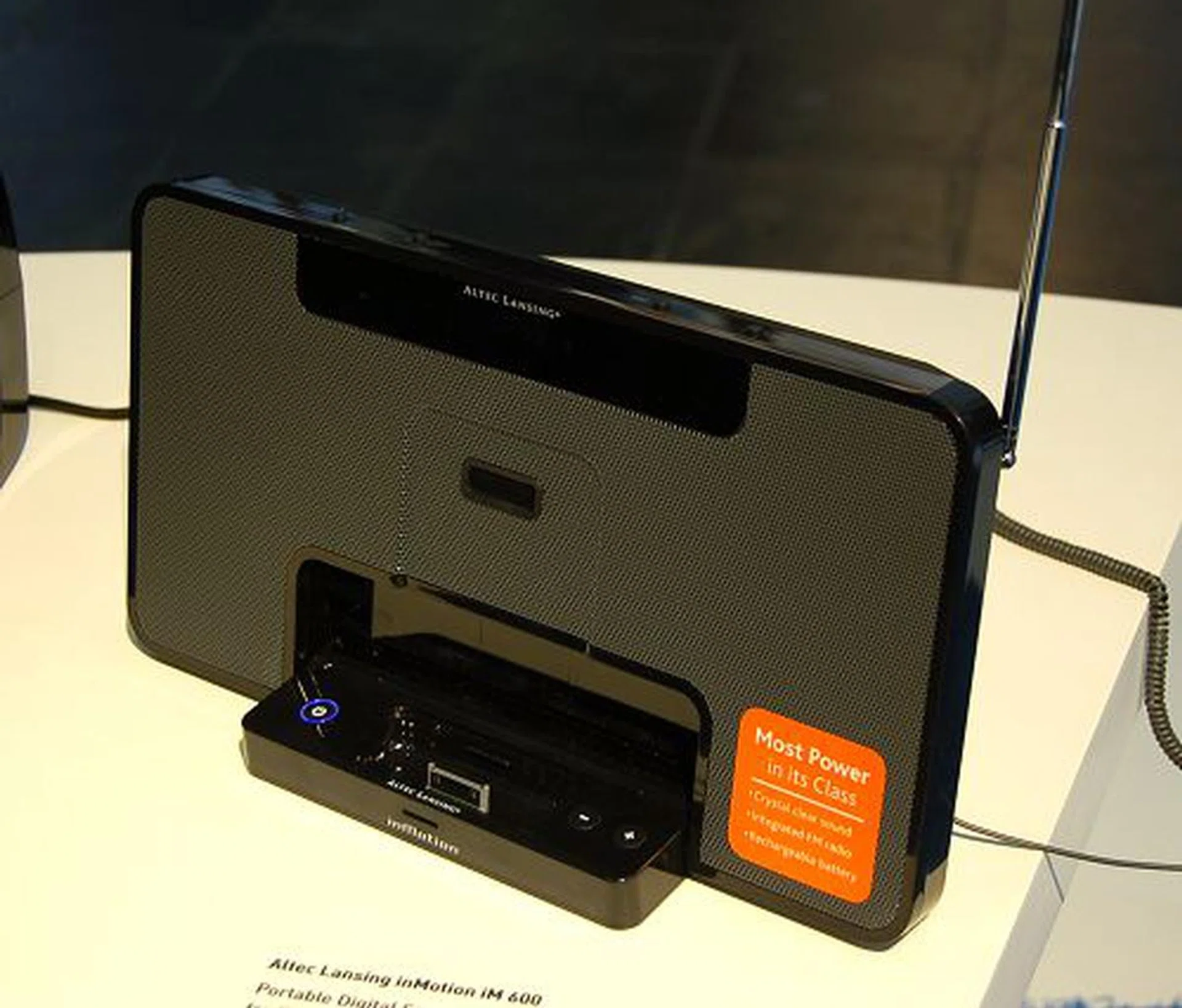
After the inMotion iM500 thin and portable speaker solution for iPod Nano, Altec Lansing refreshes the inMotion model for iPods with this new iM600. Similarly slim and portable, it is sturdier than the iM500 and contains dual 2-inch neodymium drivers with SFX (stereo field expander). The iM600 also integrates an FM receiver and antenna, and it even doubles up as your room clock when plugged into the mains. The iM600 looks to be an ideal room and on-the-go companion and should be available within the next two months. Includes rechargeable Li-ion batteries and a remote.
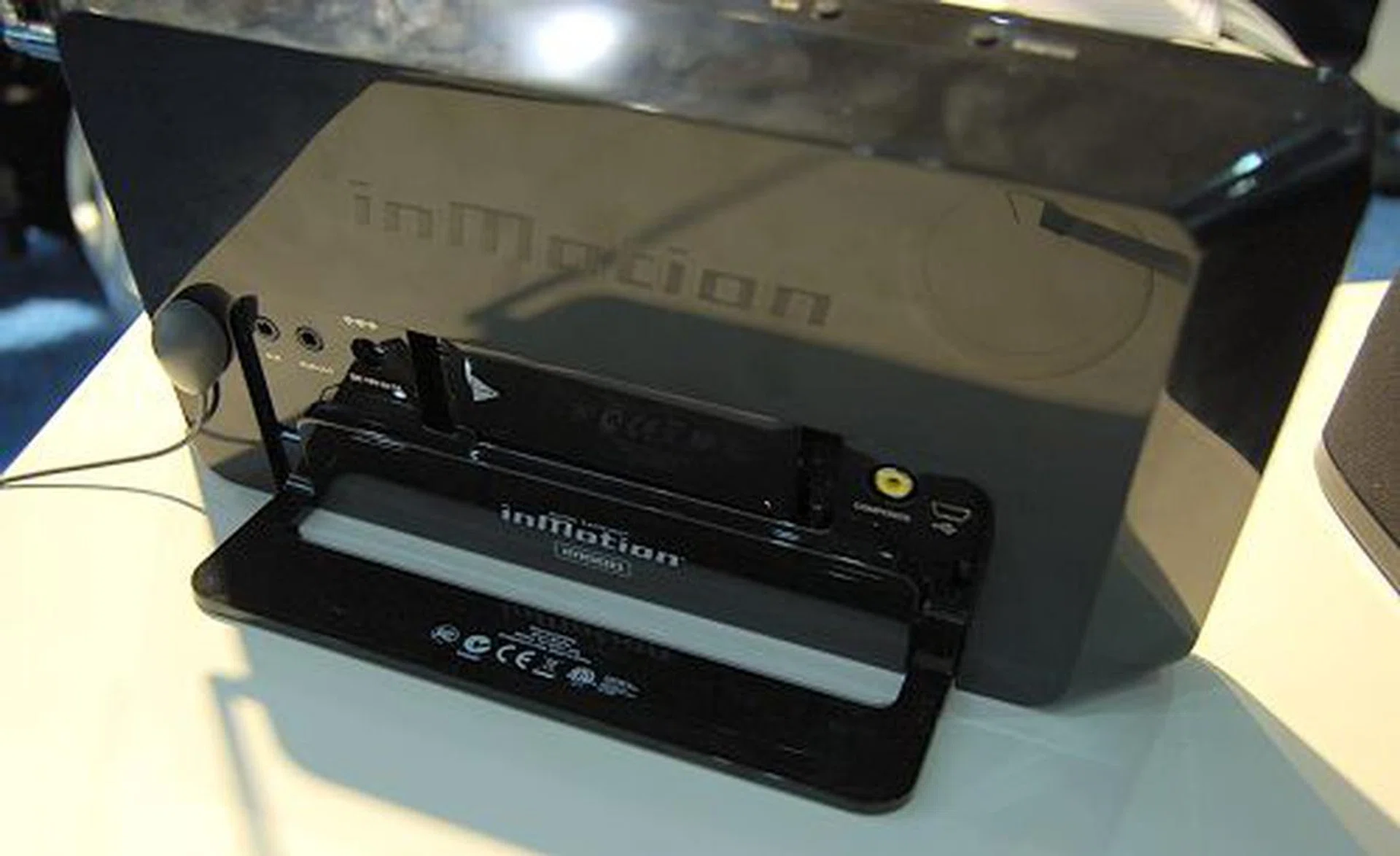
The rear of the iM60 has an auxiliary 3.5mm input, a 3.5mm subwoofer output jack, a Composite output connector, an USB connector and of course the power jack.
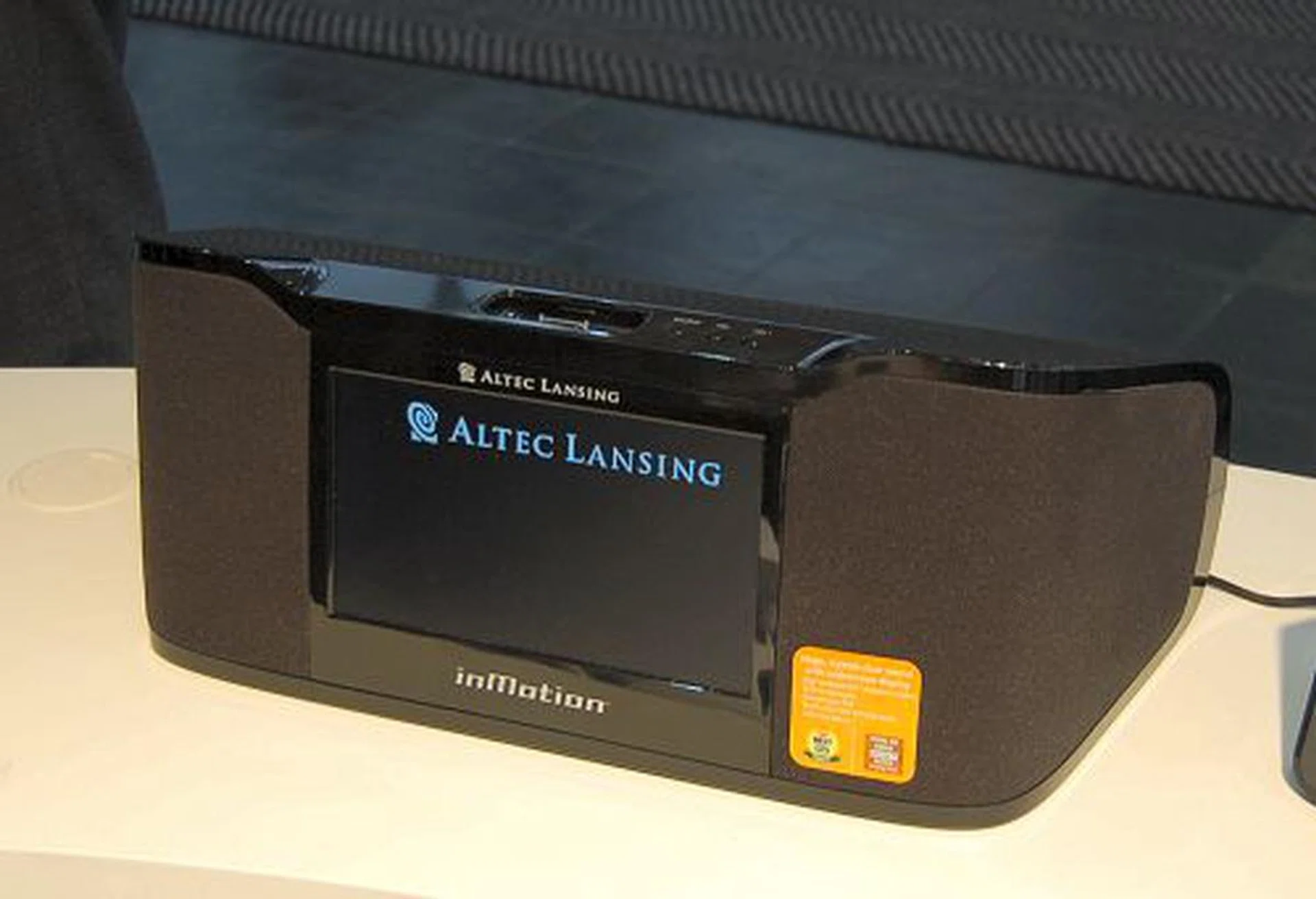
This inMotion iMV712 is dubbed as the mini-theater solution for bedrooms. This unit has an 8.5-inch high resolution widescreen display, dual 3-inch neodymium drivers and a 4-inch side-firing subwoofer. Definitely an ideal companion for teenagers with tons of multimedia content in their iPods, not forgetting as an ideal gift. So look out for it in two months time.
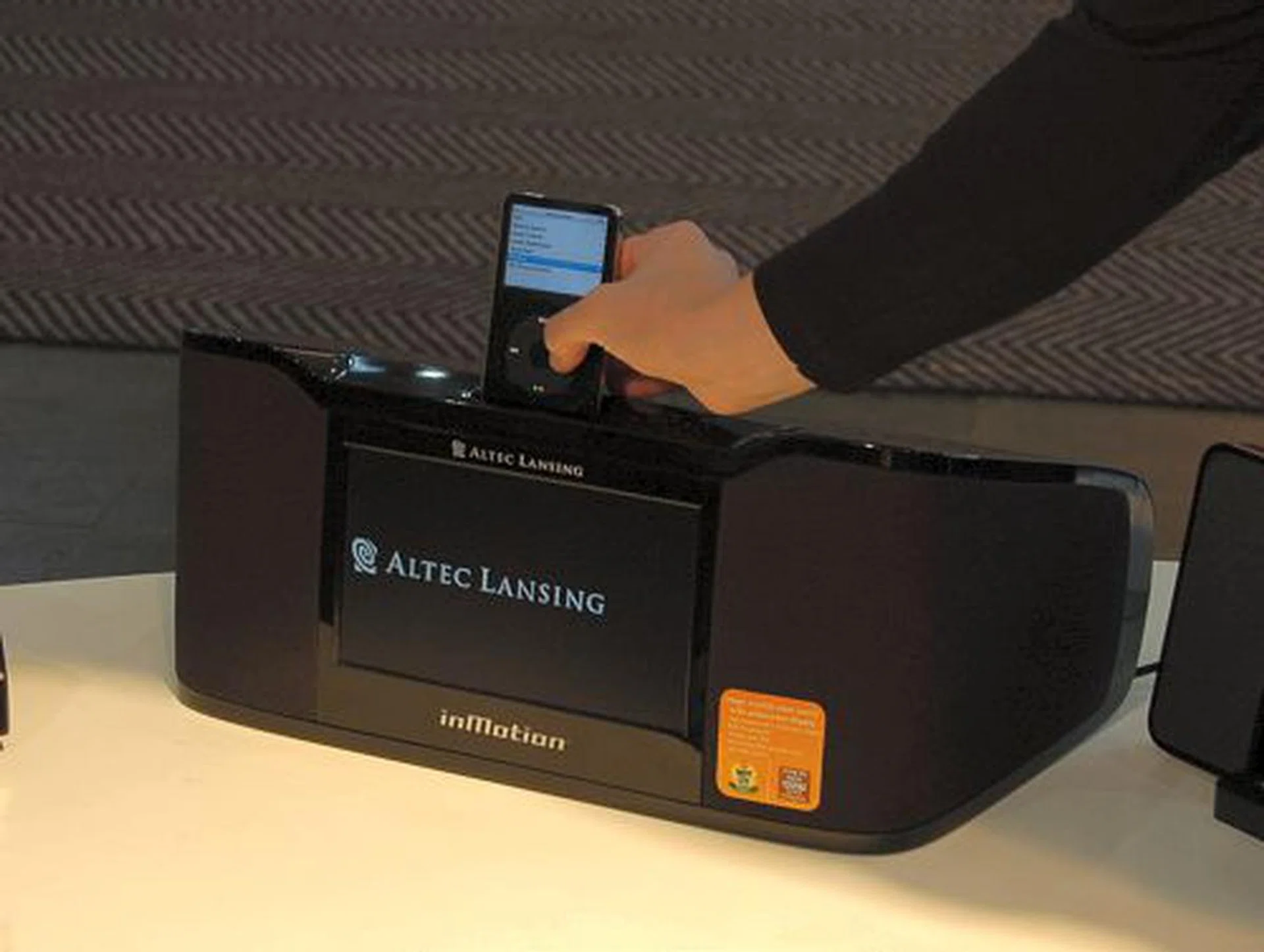
It is compatible with any dockable iPod or even other portable media players with the included adaptor. On its rear, you'll find Composite audio and video inputs, an auxiliary 3.5mm audio jack and an S-Video output connector if you wish to put the video out to your TV. Specs aside, what we do wonder is why this unit falls under the inMotion series as it's not small nor a lightweight unit to stow away easily.
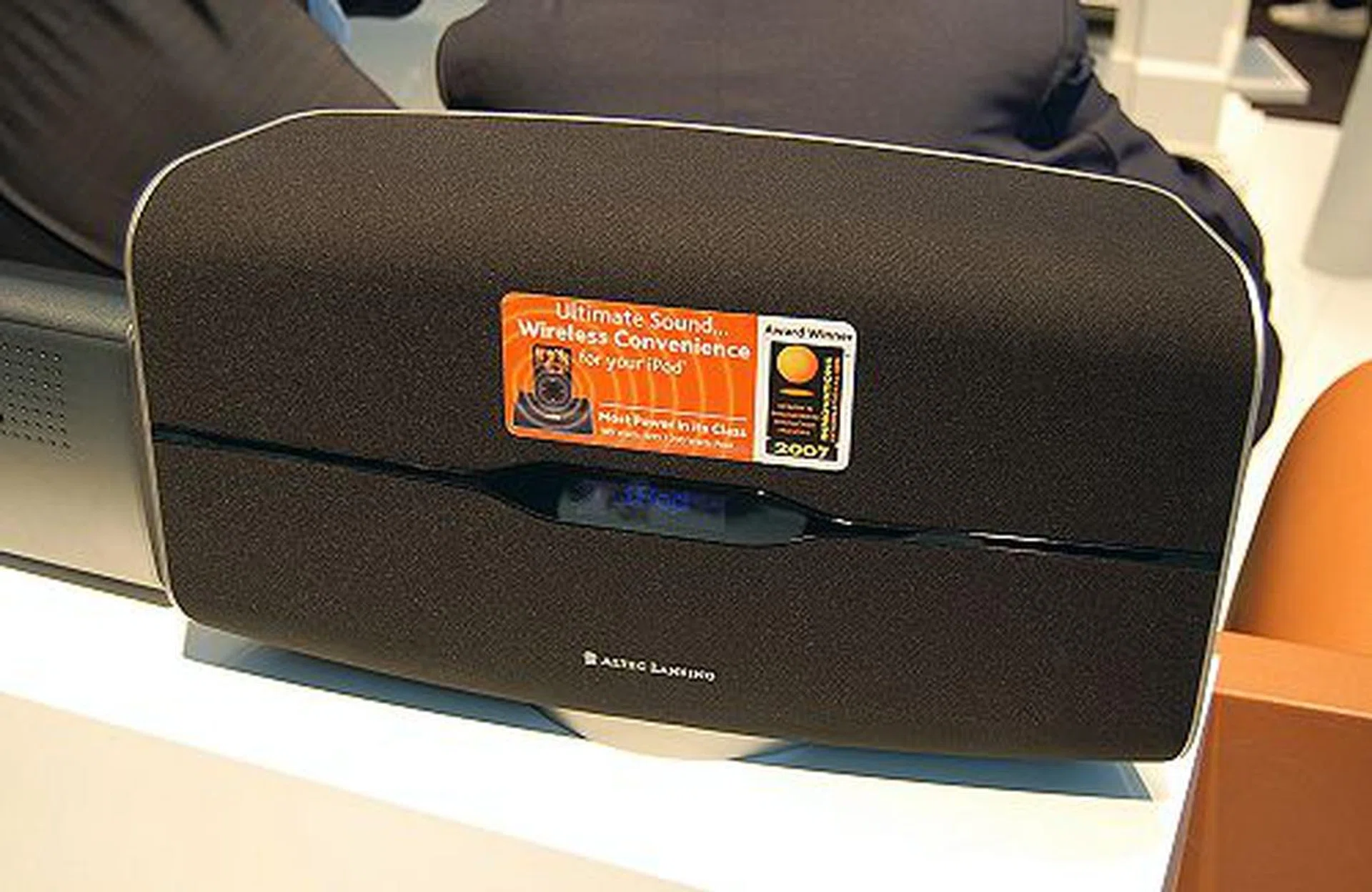
The Altec Lansing M812 is wireless home music system. Using a dock that can be place anywhere else in your home, for example your room, but you can mount the main speaker unit up to 30 meters away anywhere else in your home and either on the desk or on the wall. It claims to deliver a room-filling 100 watts of digital power with two 4-inch woofers and a 1-inch neodymium silk dome tweeter. Includes a built-in FM tuner. You can operate the M812 system via the control buttons on the unit or via the included remote. "Unwire your Music" is the theme for this fella.
AMD's Booth
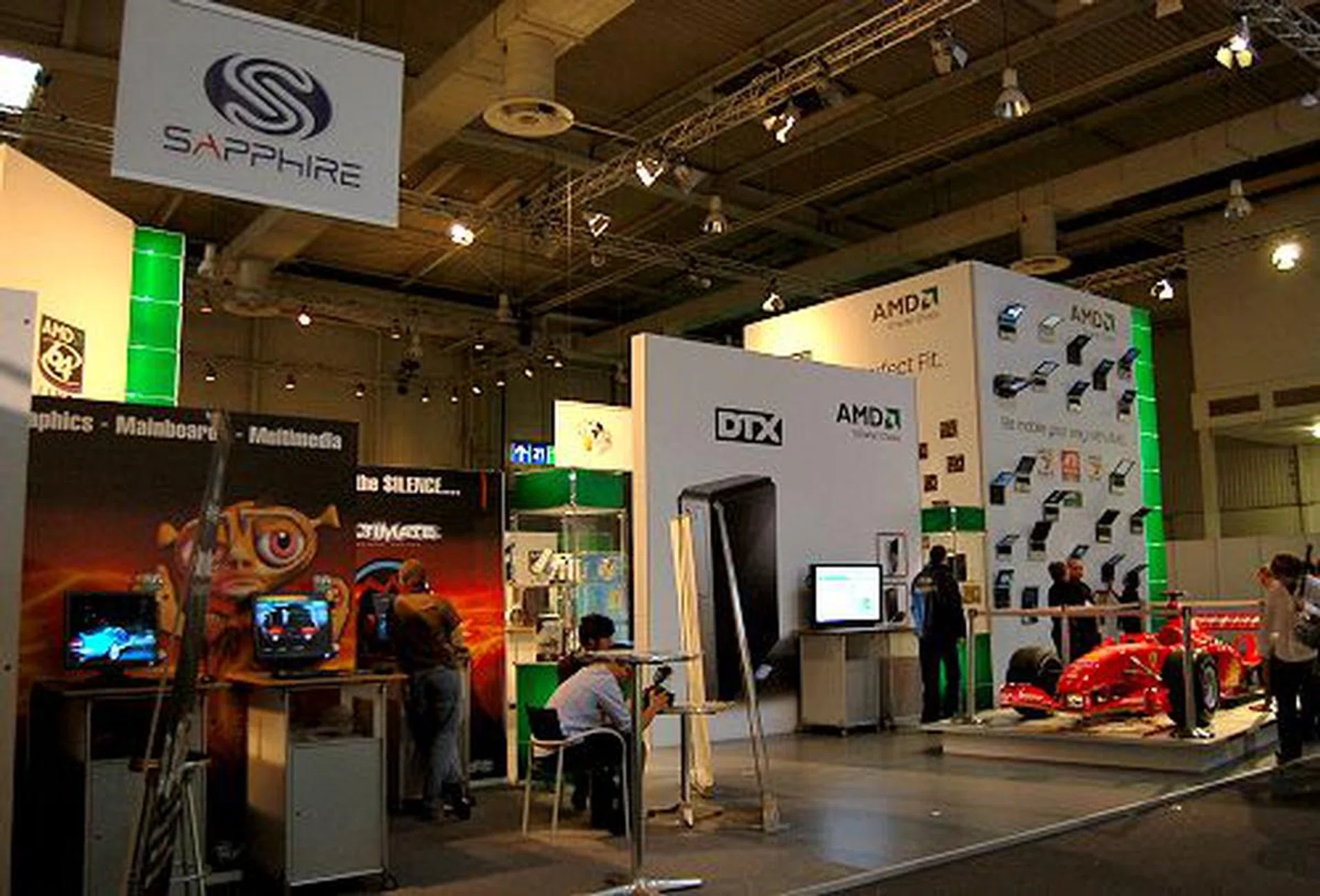
AMD's presence was strong this year, evident by a large number of partners (vendors) to jointly showcase a wider variety of products. Now that ATI is part of AMD, the union is helping to garner a wider target audience for its solutions (though their bottom-line hasn't gone up any - yet). A showcase of Turion 64 X2 notebooks, DTX (albeit it's just one case and nothing more) and a Formula F1 racing car can be seen in this photo shot.
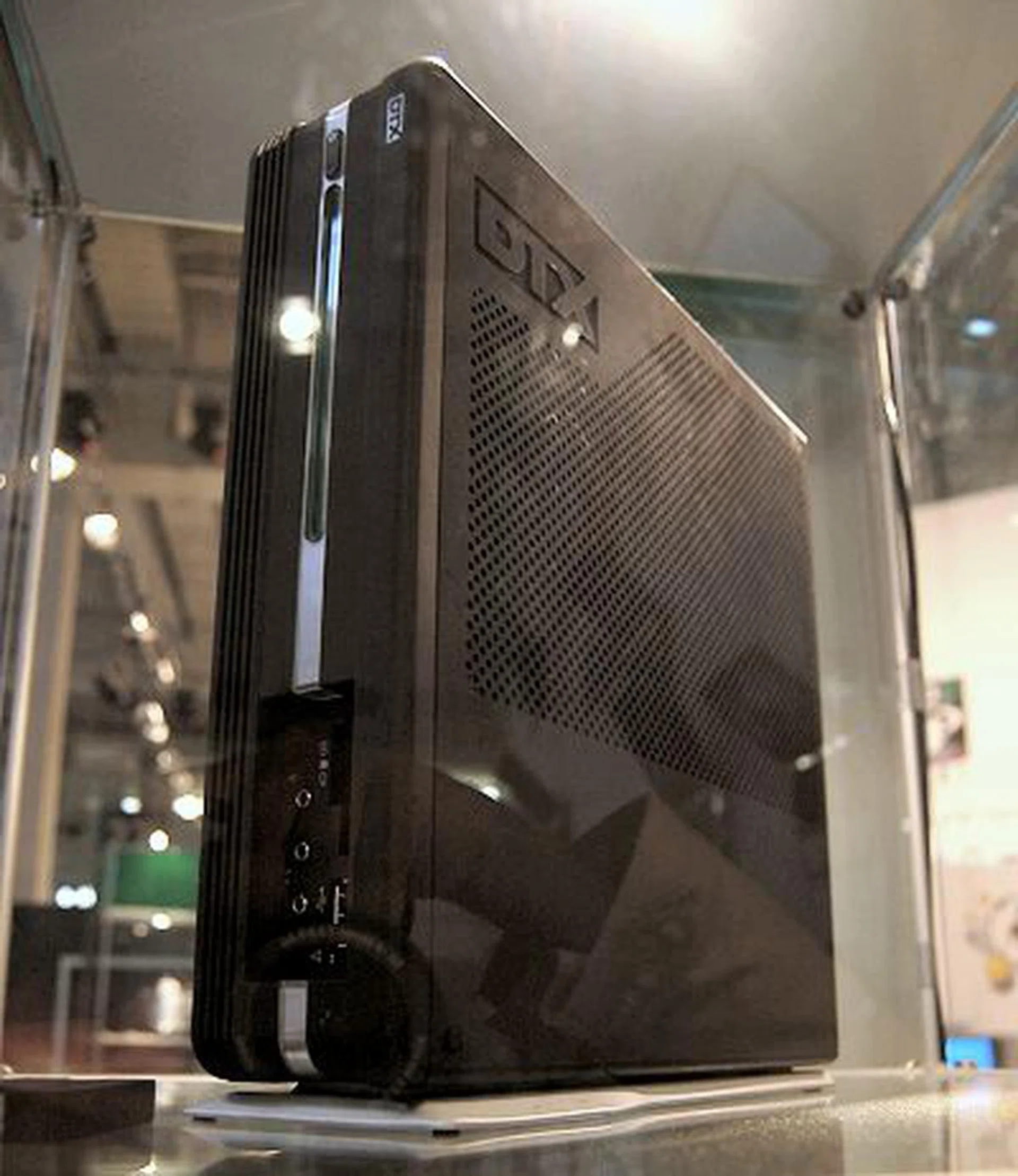
With BTX not being widely adopted (partly due to lack of Intel's own push) yet, AMD's recent studies of figures of the desktop shipment by form factors interestingly concluded that mini-towers are at the top the charts. It would seem normal towers are decreasing in appeal, giving way to a hike in demand for SFF and ultra-small SFF systems. Since the SFF market has no fixed design spec, AMD is marketing their DTX open standard spec for standardizing very slim and small form factor systems. We'll show you more of it soon from one of their partners helping to develop the casings (Chenbro), but here's a shot of how a typical DTX PC may look like.
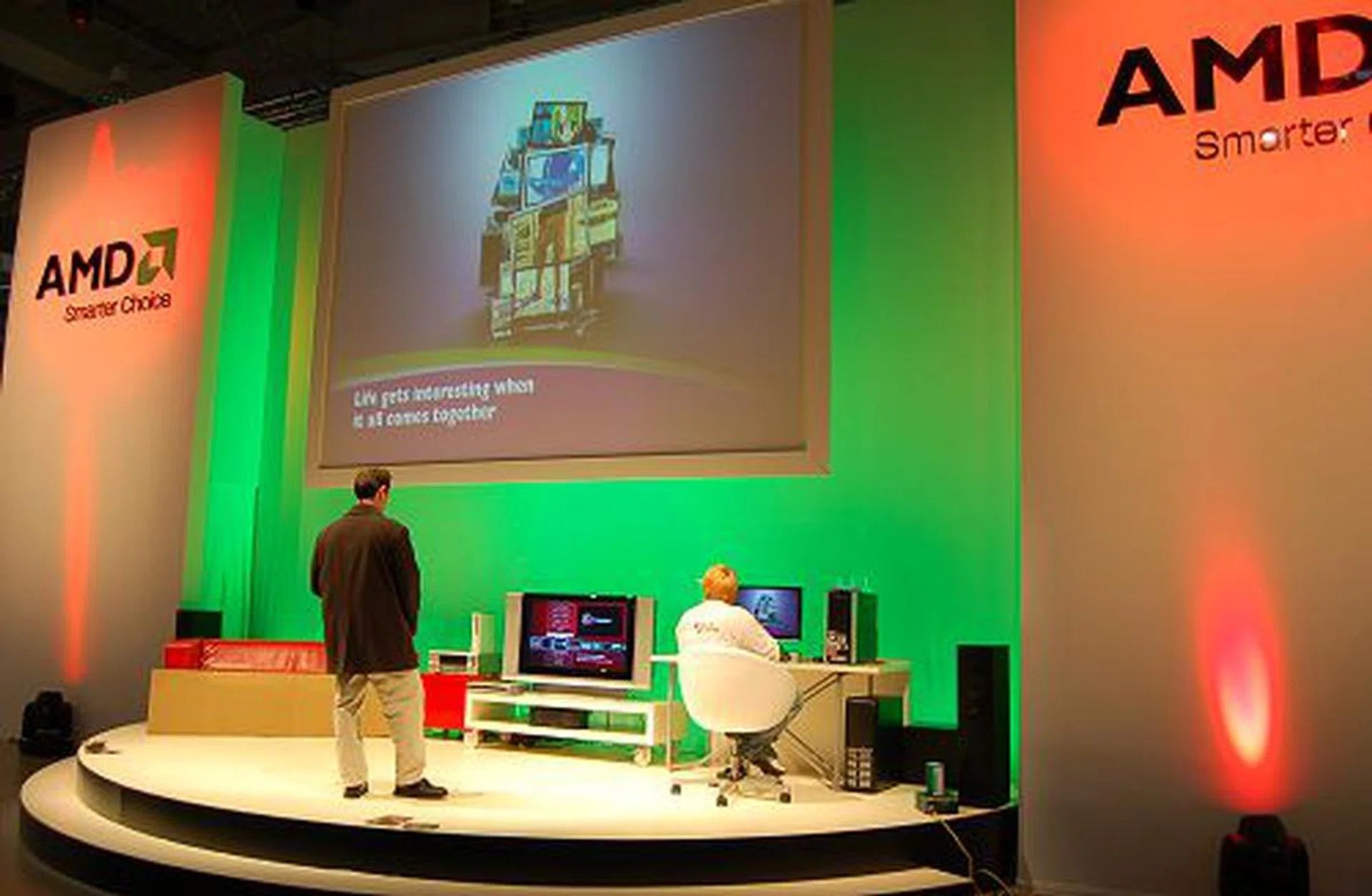
Also on display occupying a significant booth area is their AMD Live! demo.
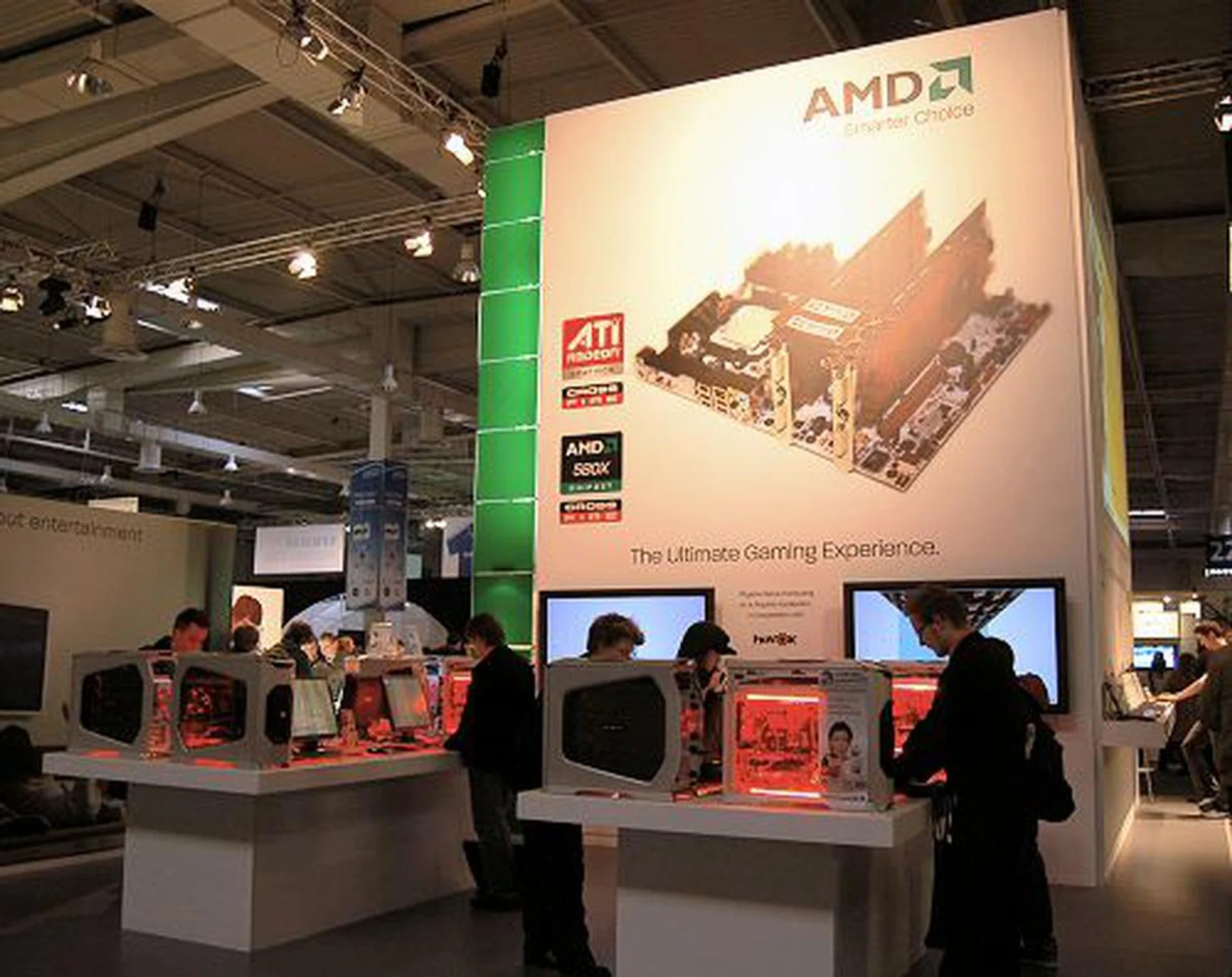
Once AMD partnered NVIDIA in showcasing their gaming machines, now it's all ATI and the red glow certainly enforces this. This area was dedicated to end-users trying out their high-end CrossFire gaming rigs.
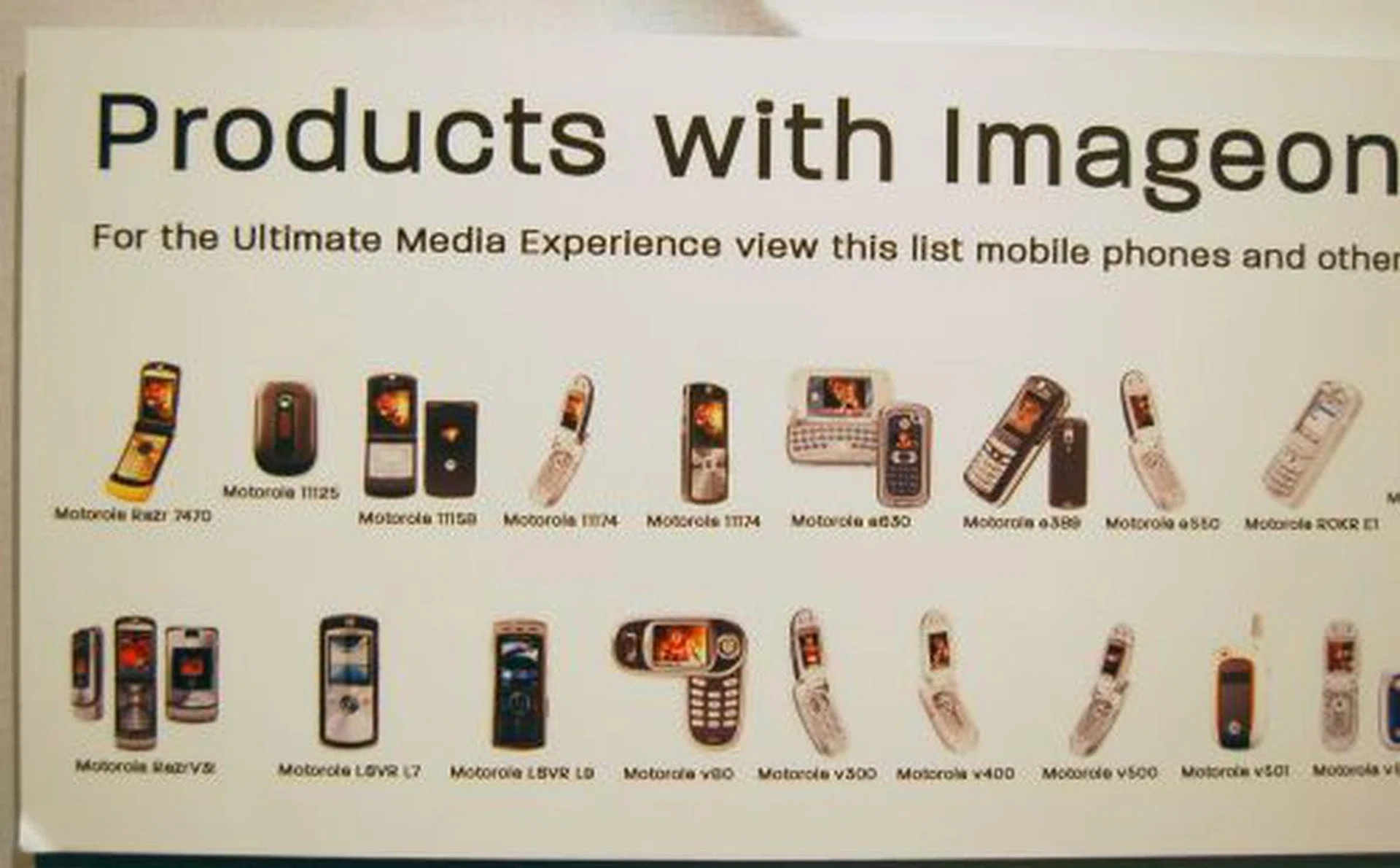
Like the display on Turion 64 X2 notbeooks and PCs, there was a long chart listing mobile products utilizing the Imageon media processors.
Chenbro's Booth
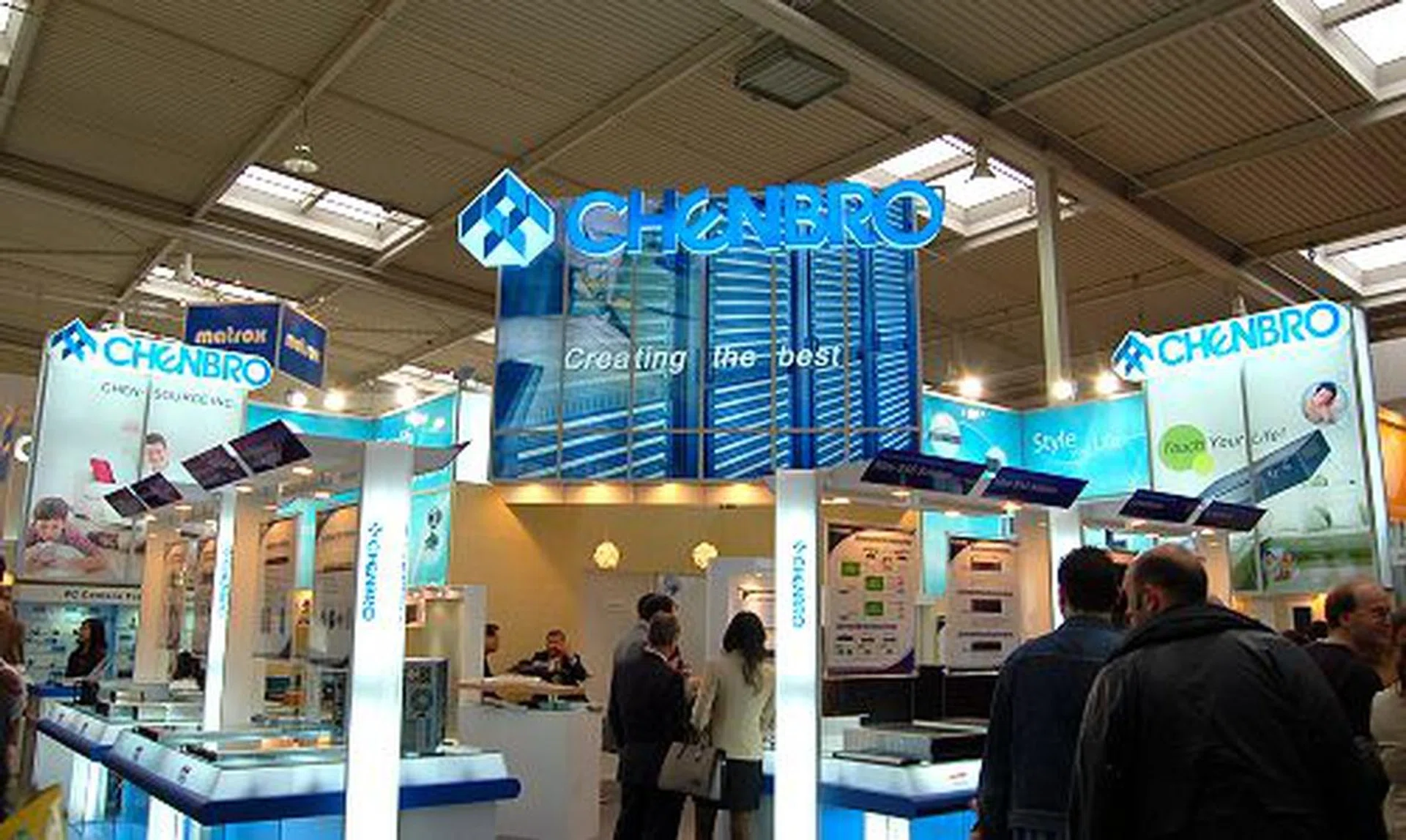
This is Chenbro's booth, the casing specialist.
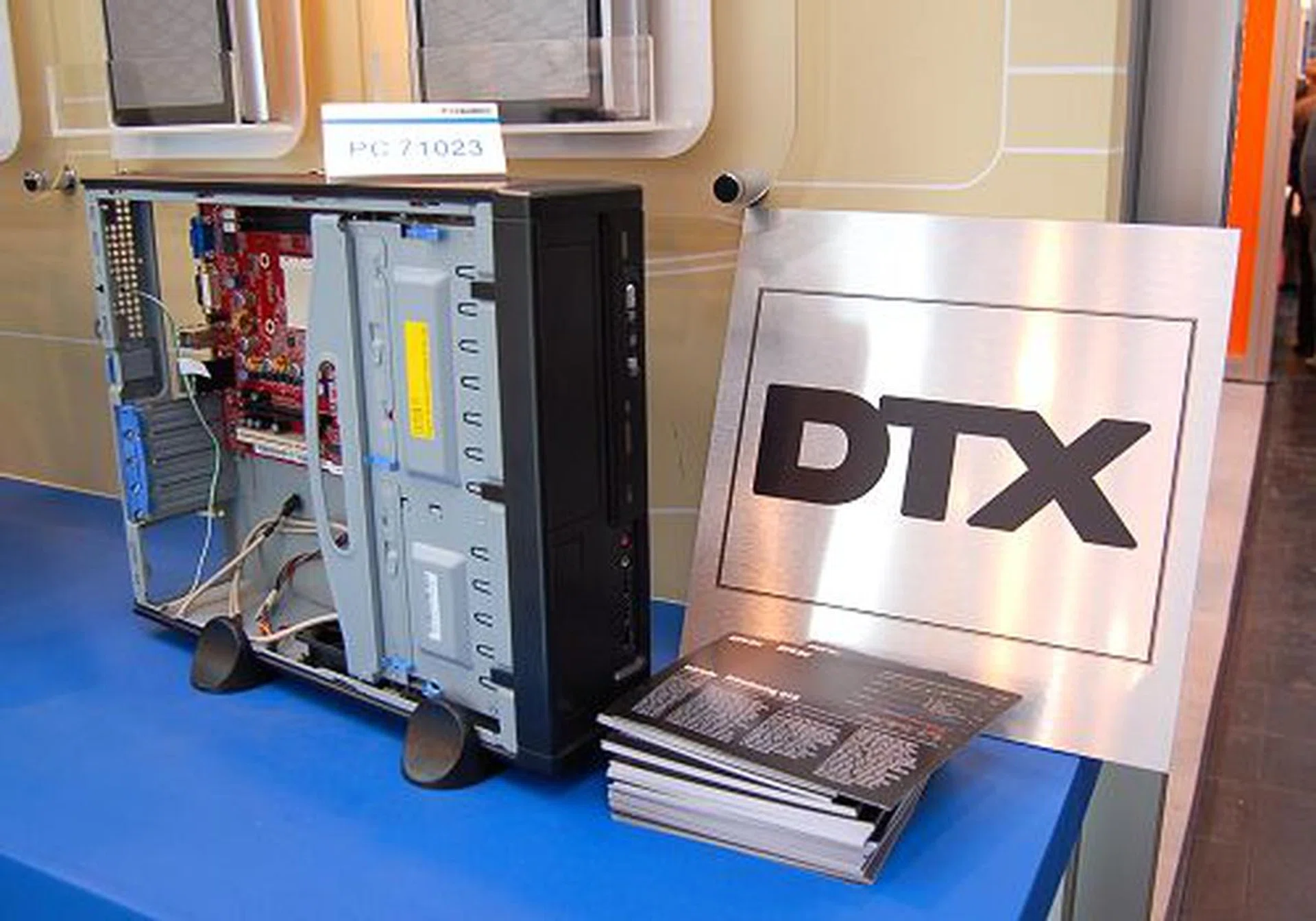
Of special interest here was their DTX casing, which was co-developed with AMD.
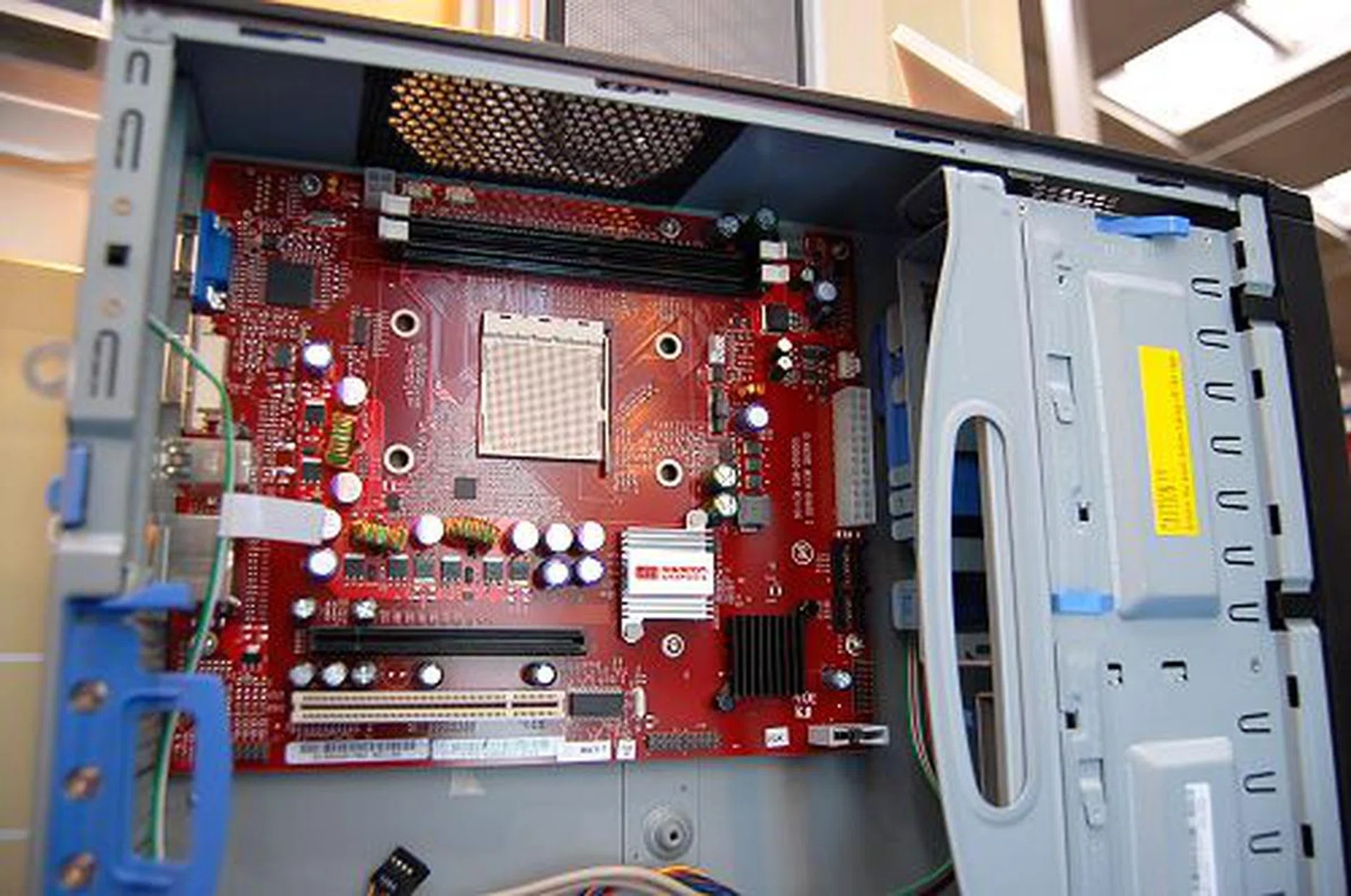
Here's a close-up of the reference DTX motherboard by AMD. As briefed to us, any DTX motherboard can actually fit a micro-ATX casing, which in turn would fit any ATX casing. Hence DTX is just a minituarization and optimizing the component layput to fit the new smaller PCB spec.
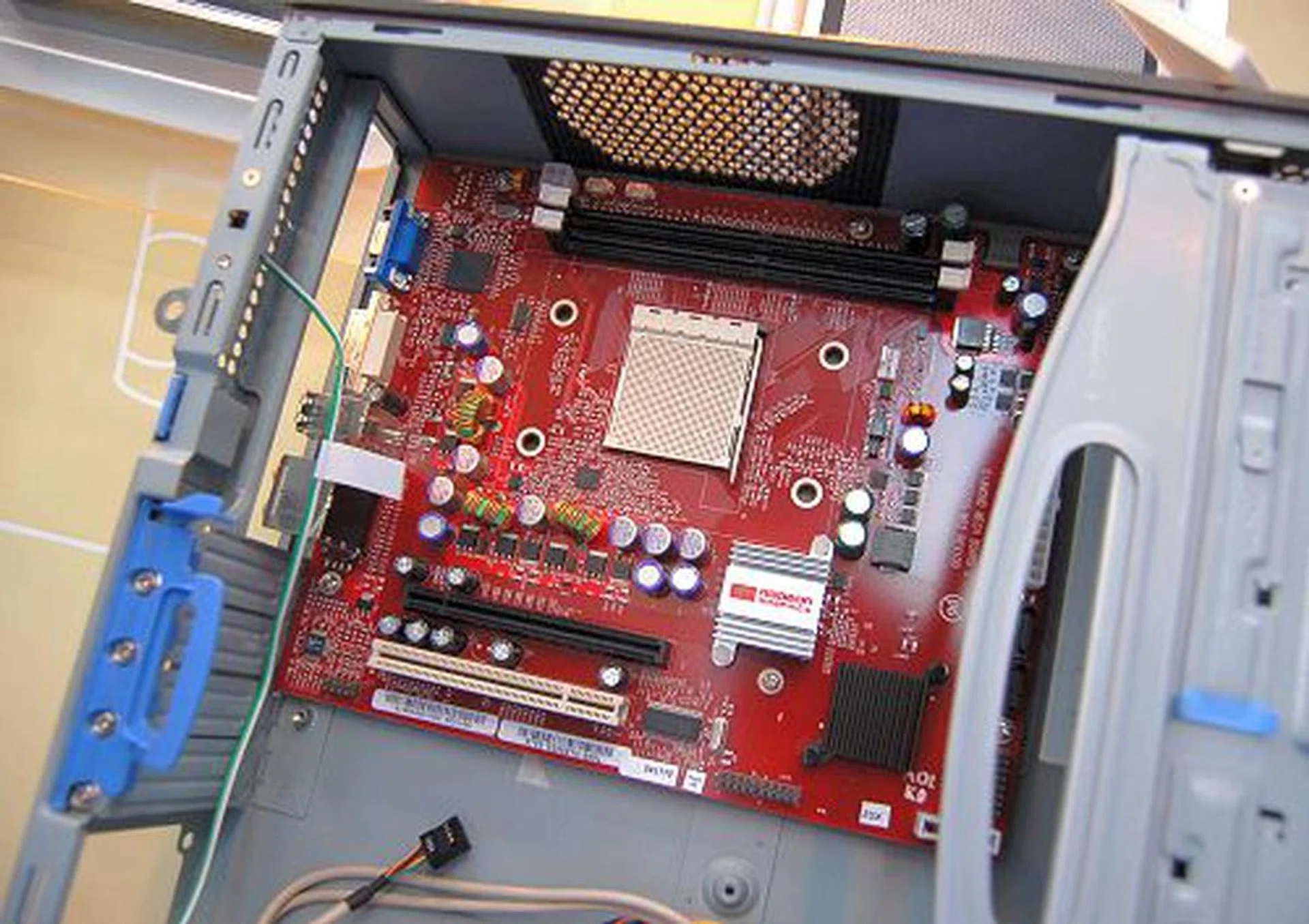
Here's another view.
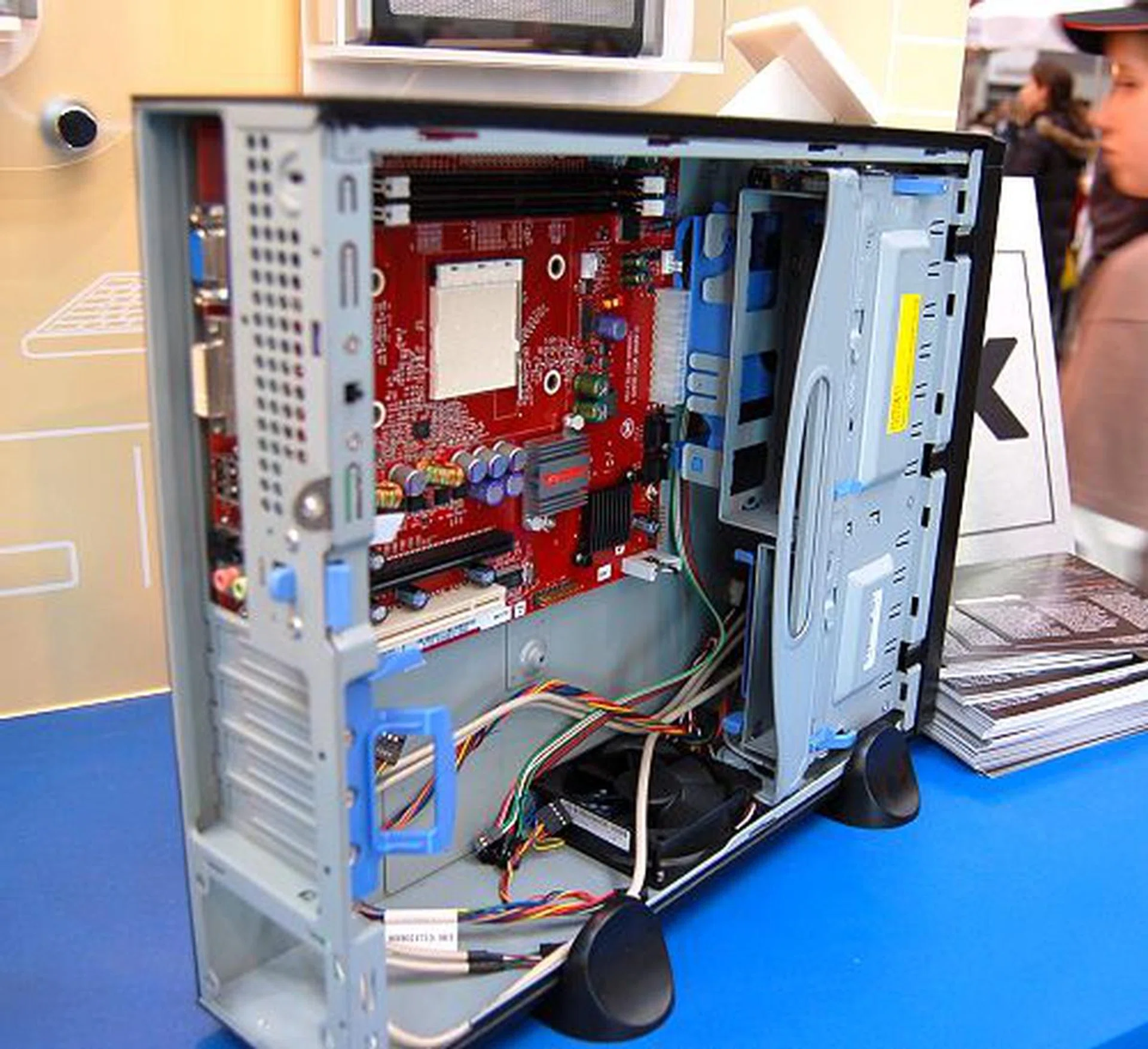
While this case design has yet to be finalized, you can tell that it can accommodate micro-ATX boards given the generous allowance and expansion slot positions, which are beyond what DTX board's are capable of. Thus, you can expect smaller casings yet for a true DTX-only design.
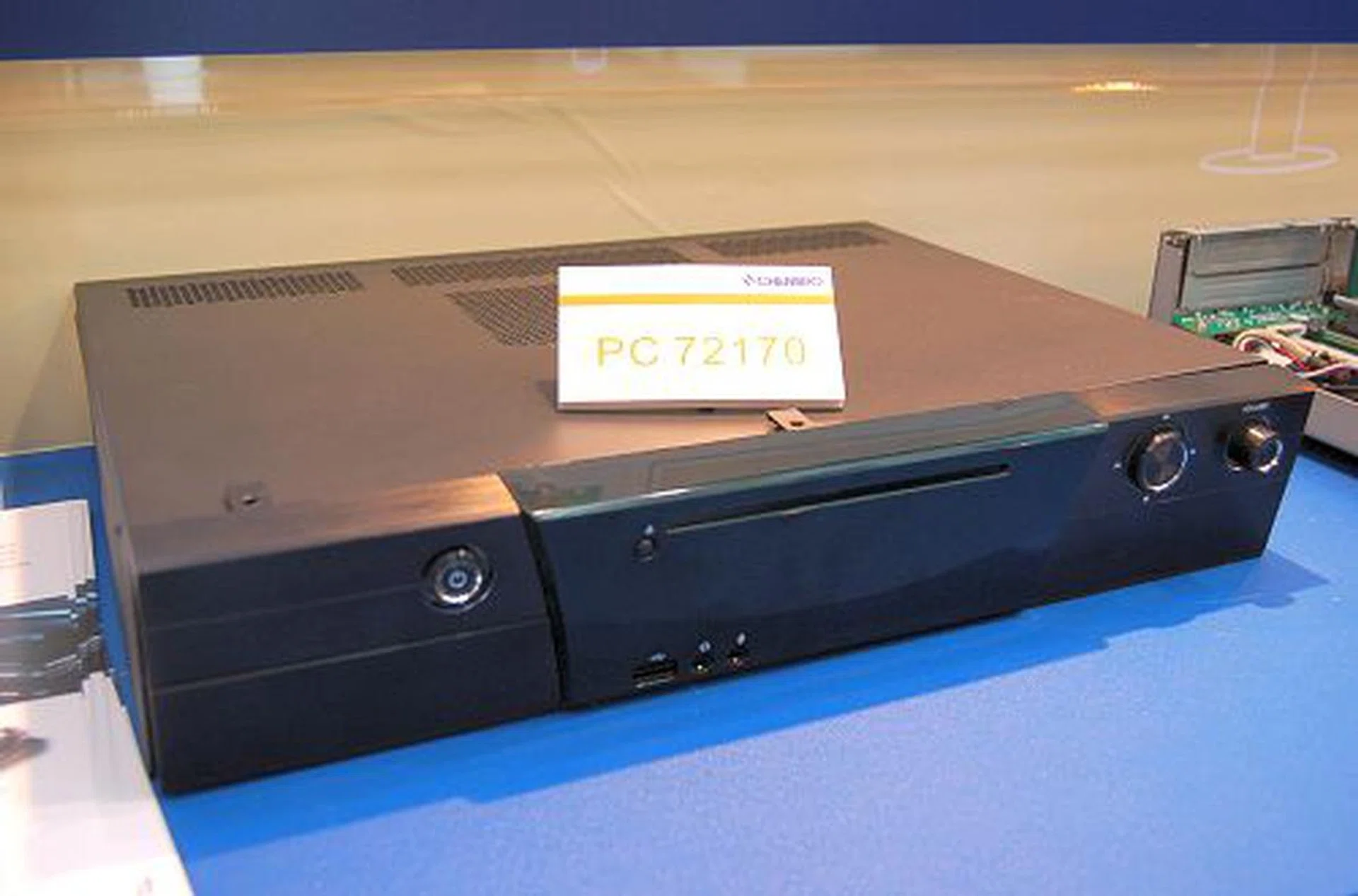
Here's a media center chassis by Chenbro which was present in many other booths to either showcase AMD Live! or a media center PC. Looks like AMD is working very closely with Chenbro.
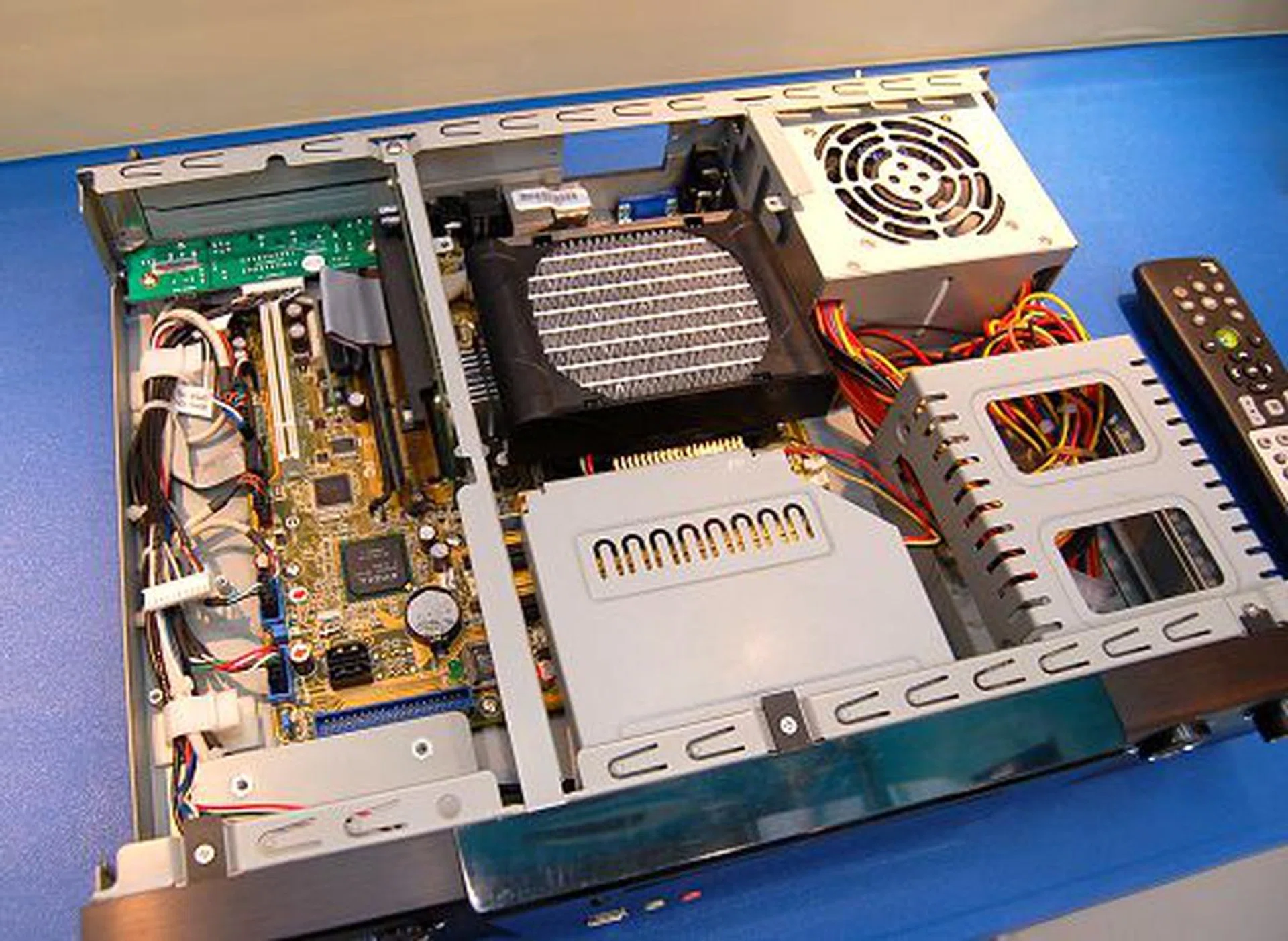
Here's the inside of the media center chassis. It contains a normal micro-ATX board and uses a riser card for PCI and PCIe expansion cards. The chassis integrates all necessary connectivity options like audio/video outputs up-front, and a wider array of A/V ports at the rear. It also integrates a card reader. The low profile but high performance CPU cooler is from Noise Limit.
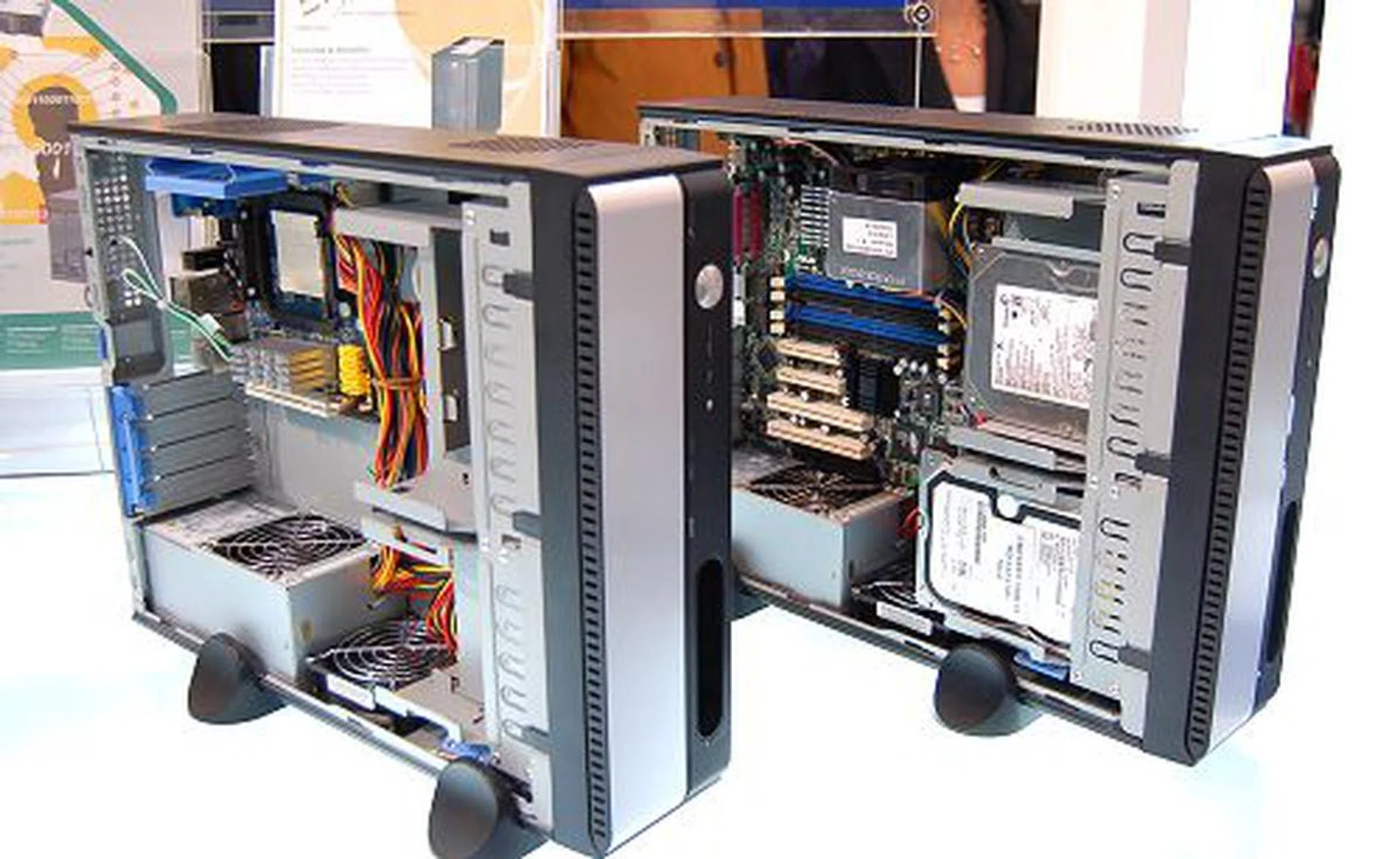
Chenbro's small home server chassis (SR21469). Both of these are identical casings but one has barely anything within while the other is fully configured. Notice the left case is actually decked with an Albatron's new Socket AM2 based ITX board.
Corsair's Booth
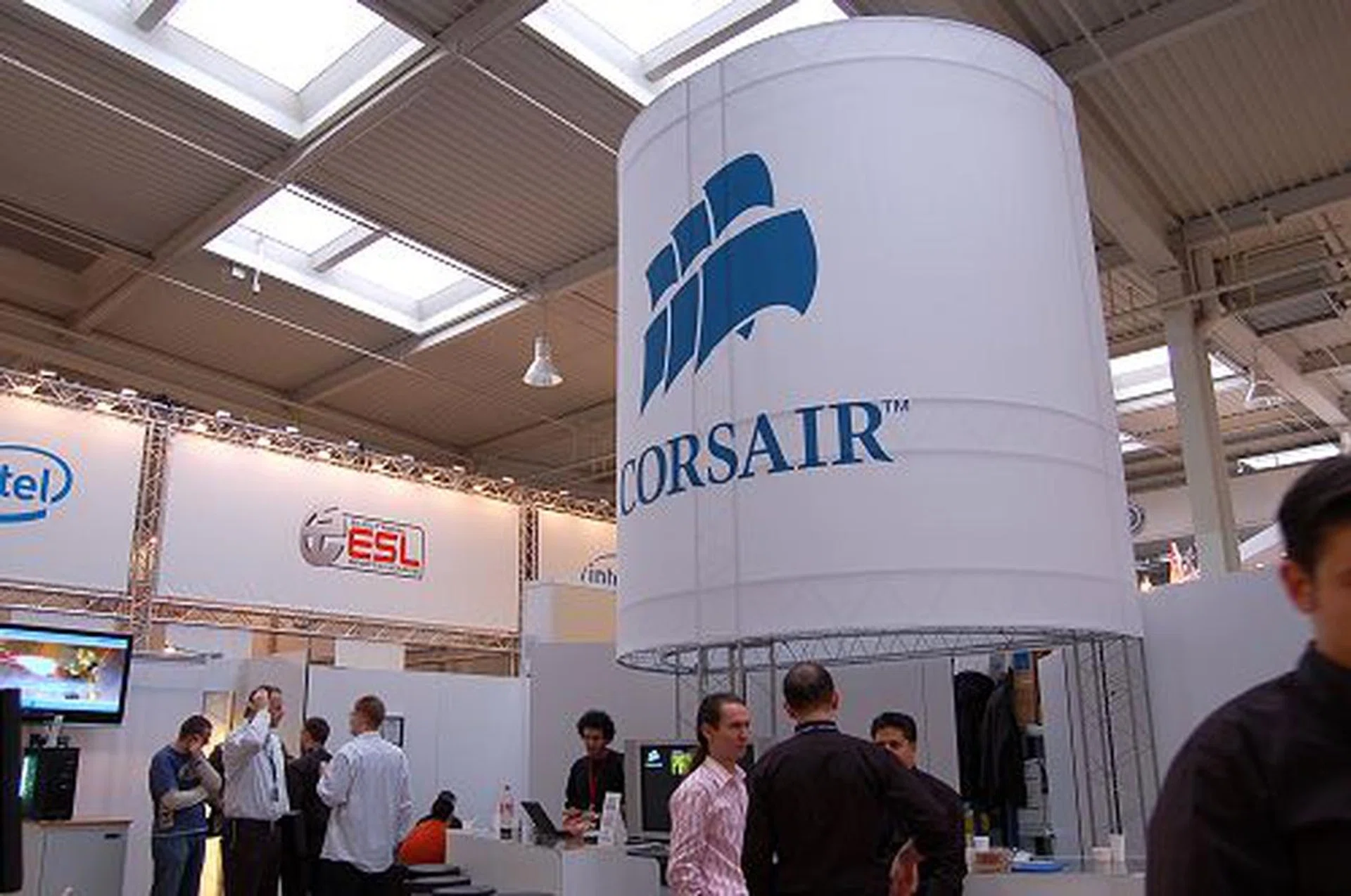
Corsair, as usual, had a fair bit of extreme stuff to show us.
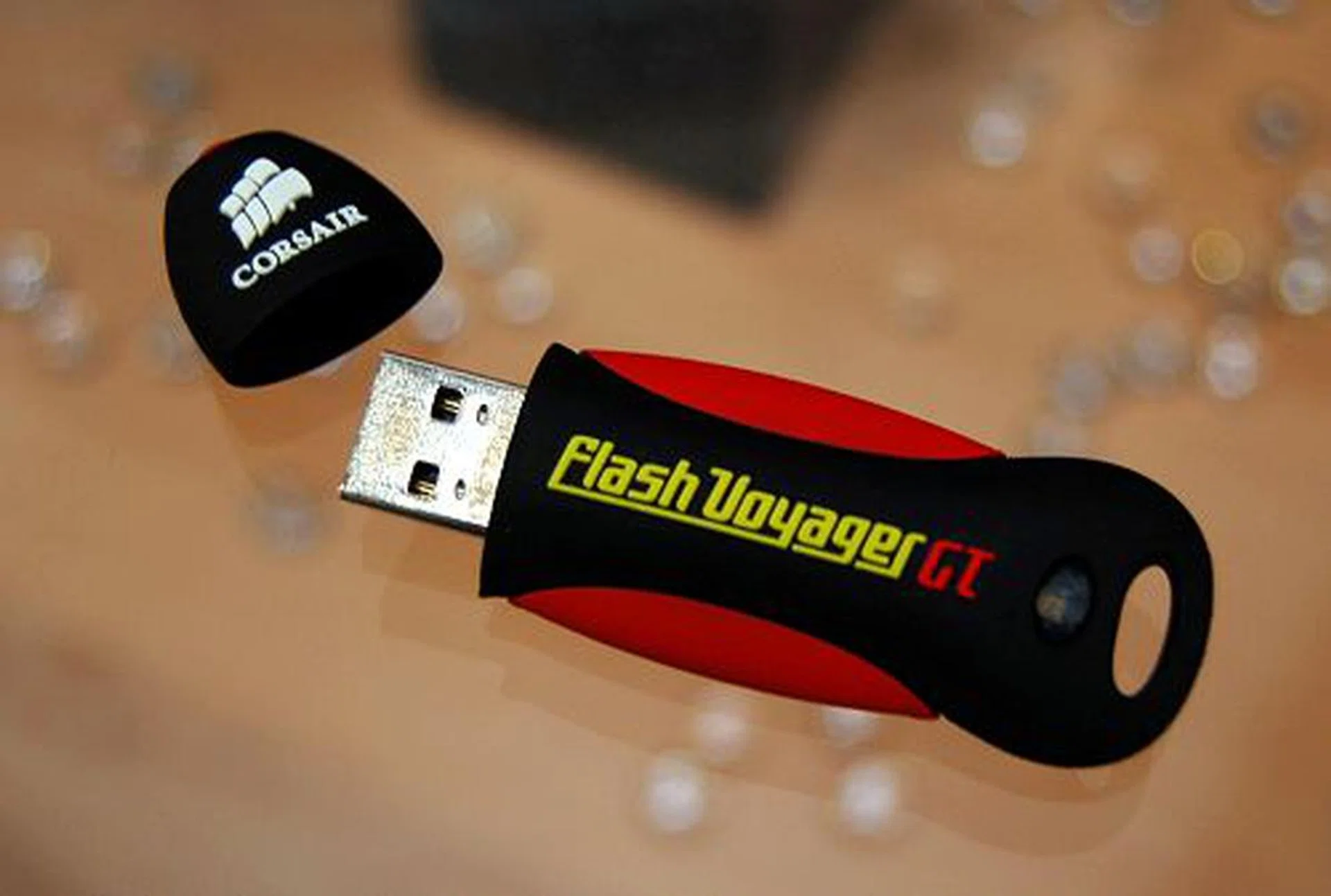
The GT edition of their Voyager flash drive is 'Ready Boost' compliant unlike most of the existing non-GT Voyagers. All other plus points of the Voyager series like being water-proof and more are retained. Available in sizes up to 4GB for now, but we will soon see an 8GB version in the foreseeable future.
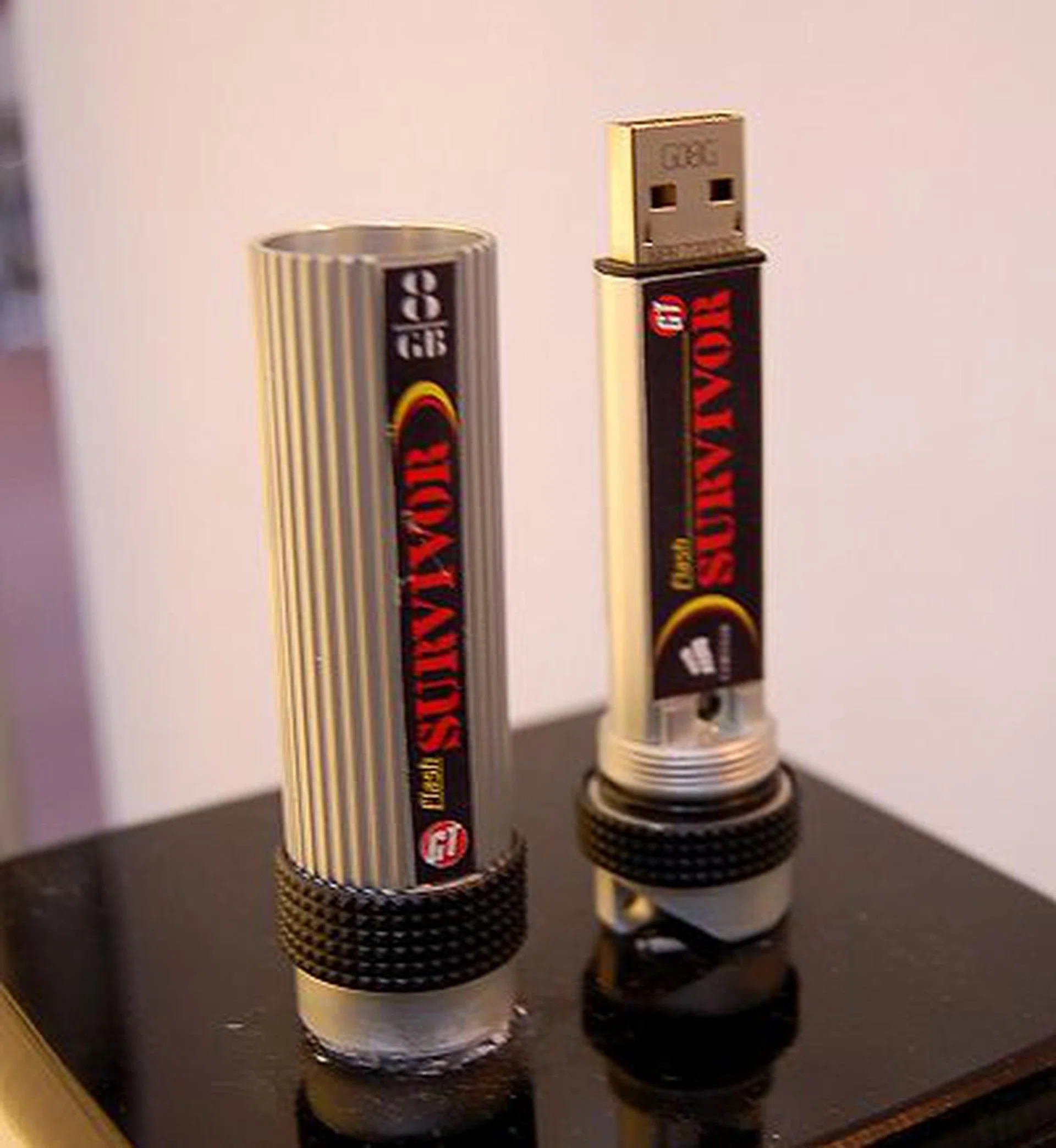
The "Survivor" series is probably one of the more extreme thumb drives to-date. Though it looks a little dated, it's meant for the rugged use as it was designed to withstand tremendous pressure. It is even water-resistant up to 20 bars of pressure! Available in GT and non-GT editions again up to 4GB capacity and should be out on retail in the June period.
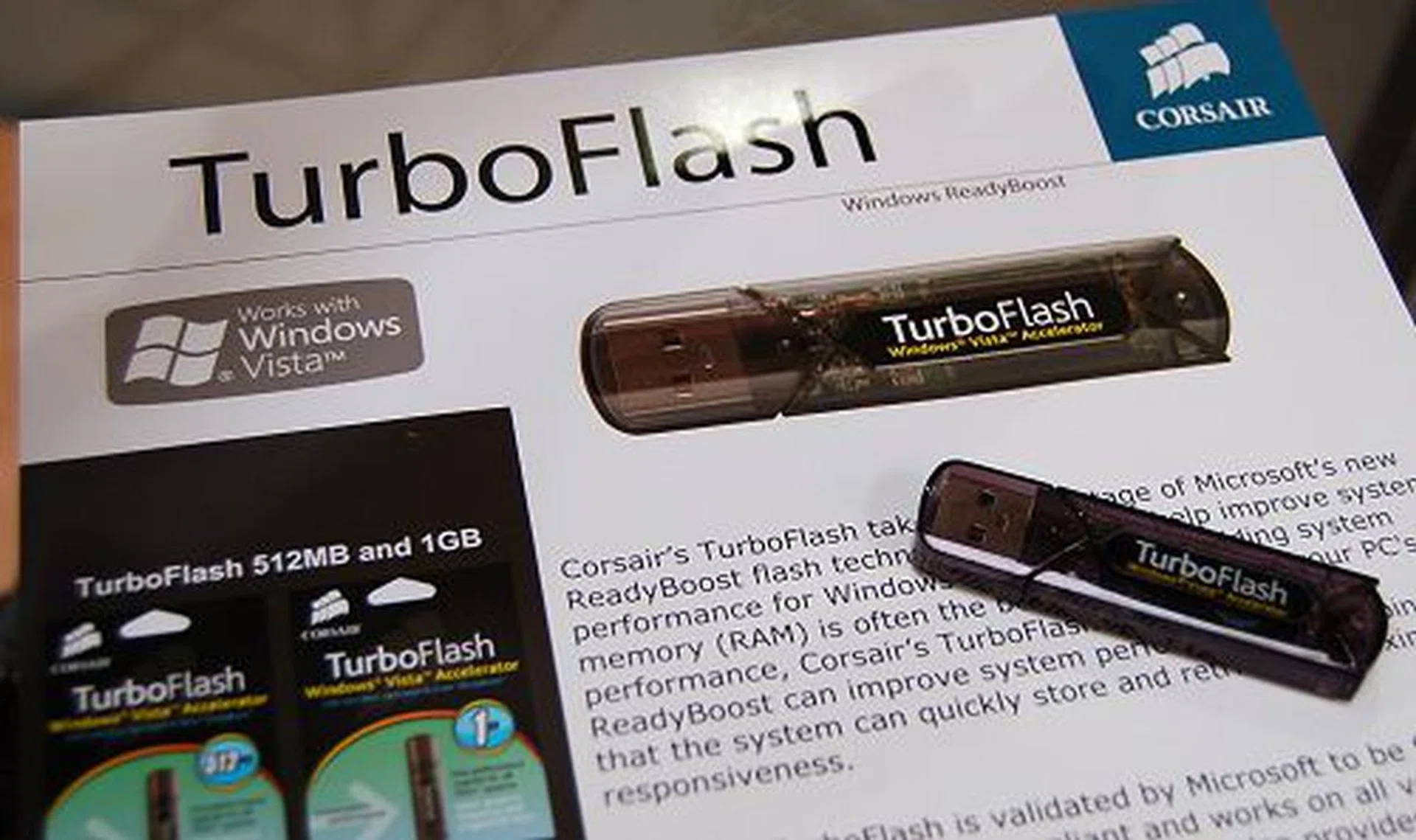
For dedicated use of a flash drive for Vista's ReadyBoost functionality, Corsair has this specially designed TurboFlash drive taking into consideration the typical usage scenario of ReadyBoost in Windows (such as very low latency operation). Additionally, the housing used is plastic, reducing the cost of the unit and is meant for users to plug it to their system and leave it as it is. Ideal for end-users who are not aware of how to upgrade memory but require a somewhat permanent solution. Available in 512MB and 1GB sizes (bigger sizes don't benefit the OS) and is cheaper than the typical Voyager flash drives.
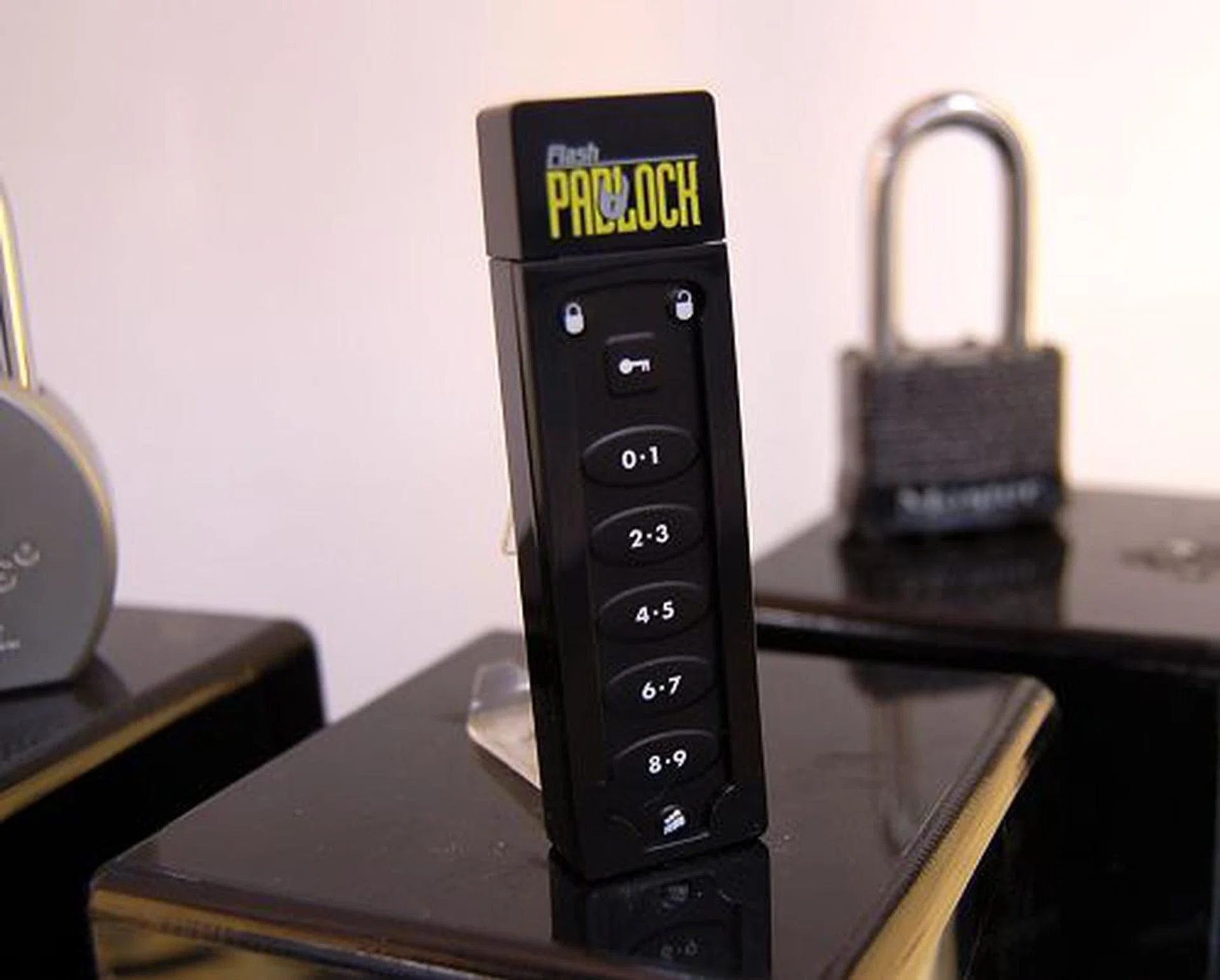
The Corsair Flash Padlock drive dispenses away of the 'high-tech' finger-print scanning function adopted by other security-class flash drives and uses a conventional numeric-lock system. Without inputting the right sequence, this unit will not be detected by the OS at all because the flash storage and the padlock system are isolated from each other. Only upon successful numeric entry, it will provide power to the flash unit's power plane, thus enabling the user to see the drive in the OS. And once unplugged from the system, this Padlock drive resets itself back to square one, requiring authentication. Upon authentication, there's only a 20-second time slice to allow you to plug it to the system (indicated by a flashing green LED), after which it will self-lock like a mobile phone. It too will be available in the mid-year time frame.
Corsair's Booth (Continued ...)
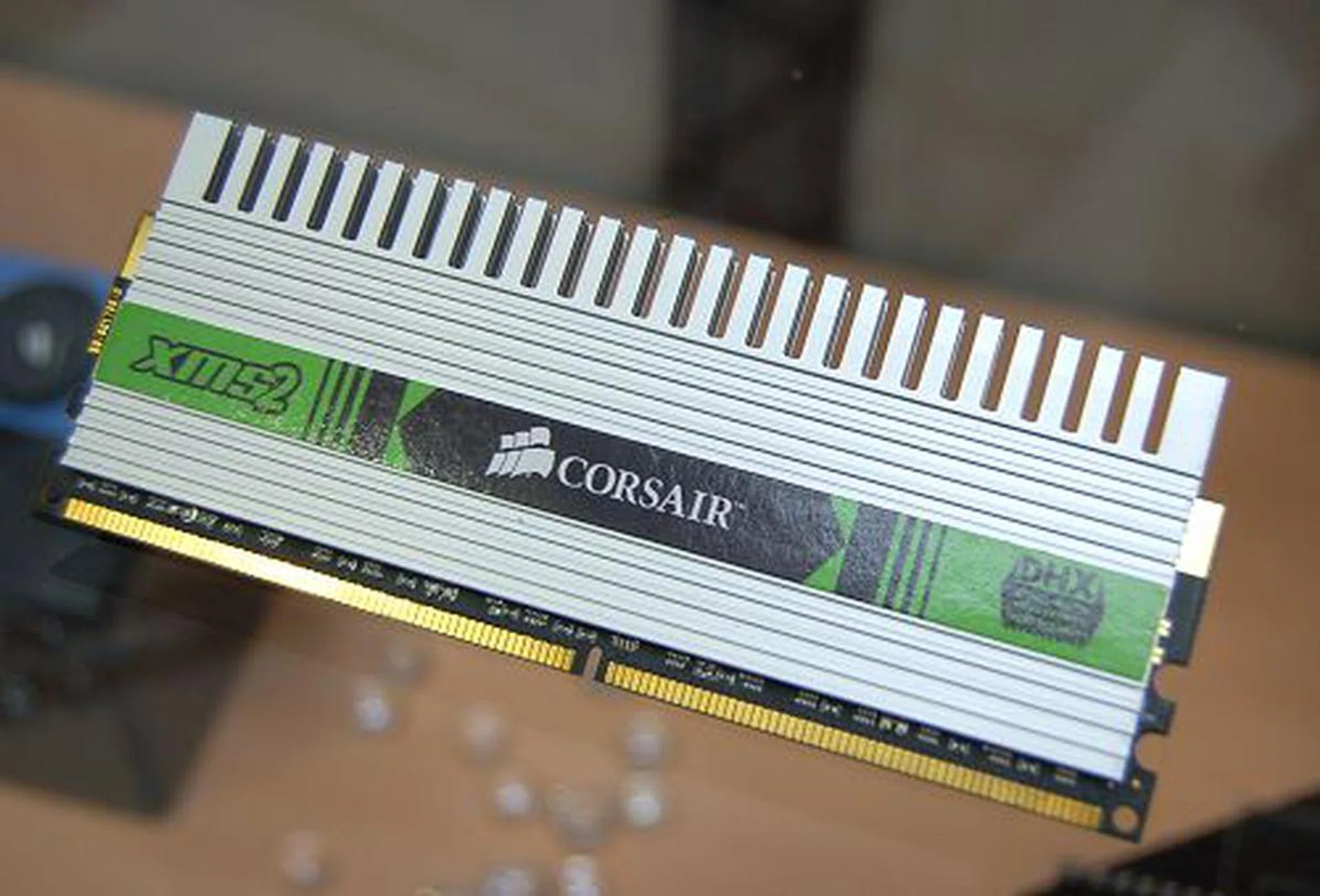
Over to the memory module side of things, this is not the Dominator, but rather the DHX cooling system being adopted into traditional high-speed XMS2 memory like beyond DDR2-800. The Dominator will retain its existing distinctive kick-ass color scheme but will be offered in even more low-latency versions to stay true to its moniker. This is also on the horizon.
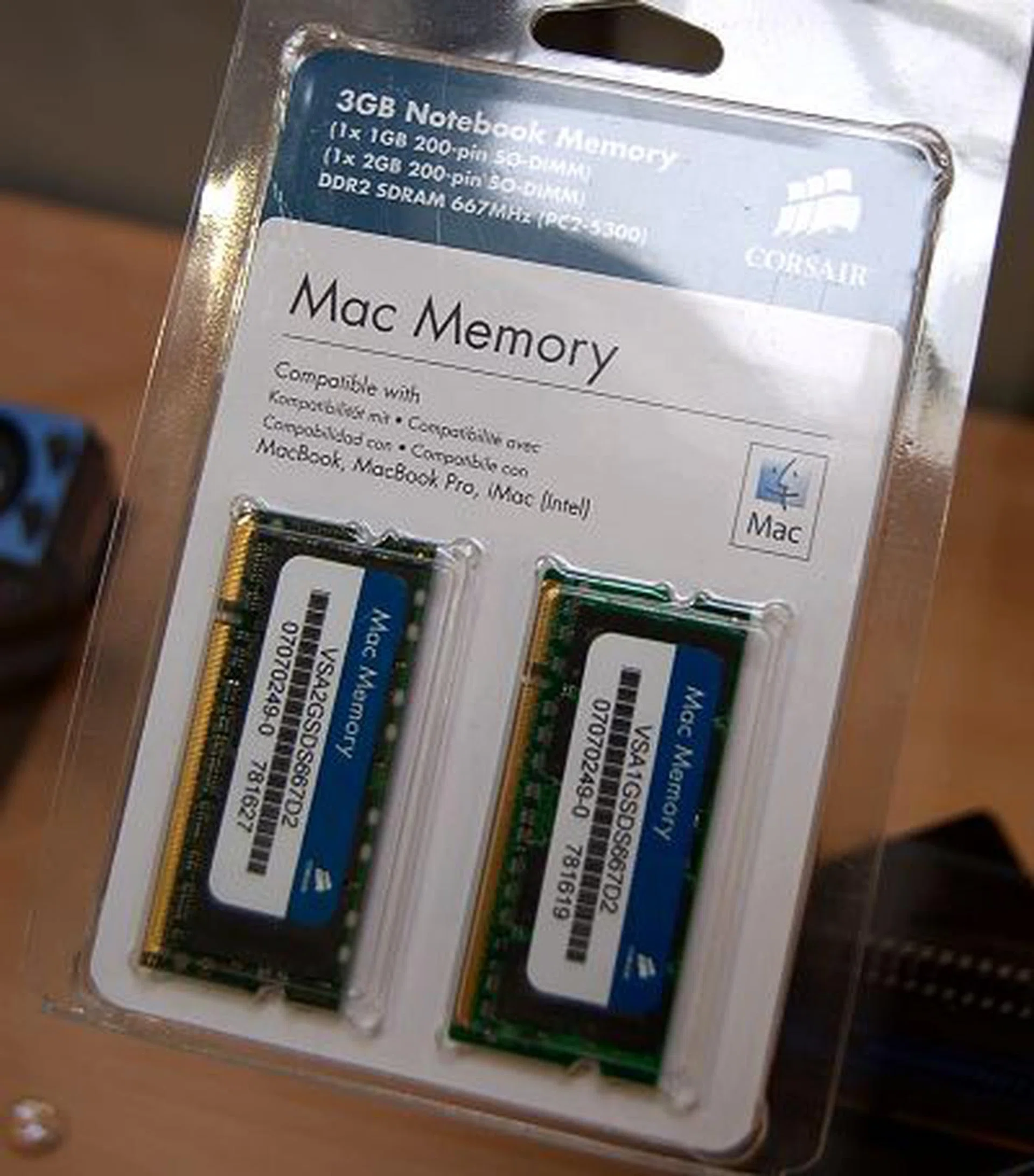
Mac notebook memory is a very recent foray for Corsair and is available in the 2 x 512MB, 2 x 1GB and 1x 1GB + 1 x 2GB configurations (max addressable memory is 3GB, thus the 'weird' offering).
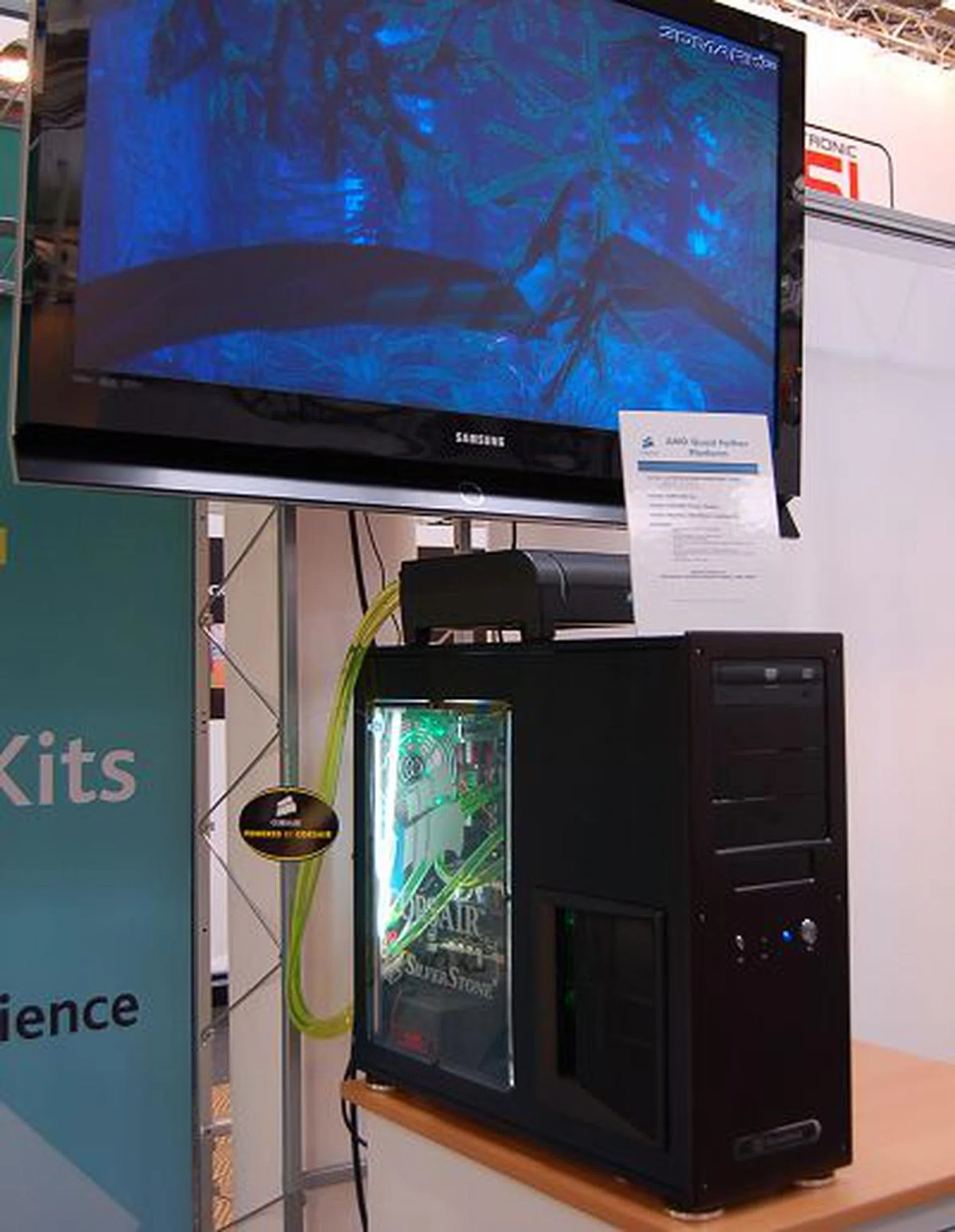
In one corner of their booth, Corsair was showing off the durability of its power supply units in being able to cope with higher than rated power draw continuously.
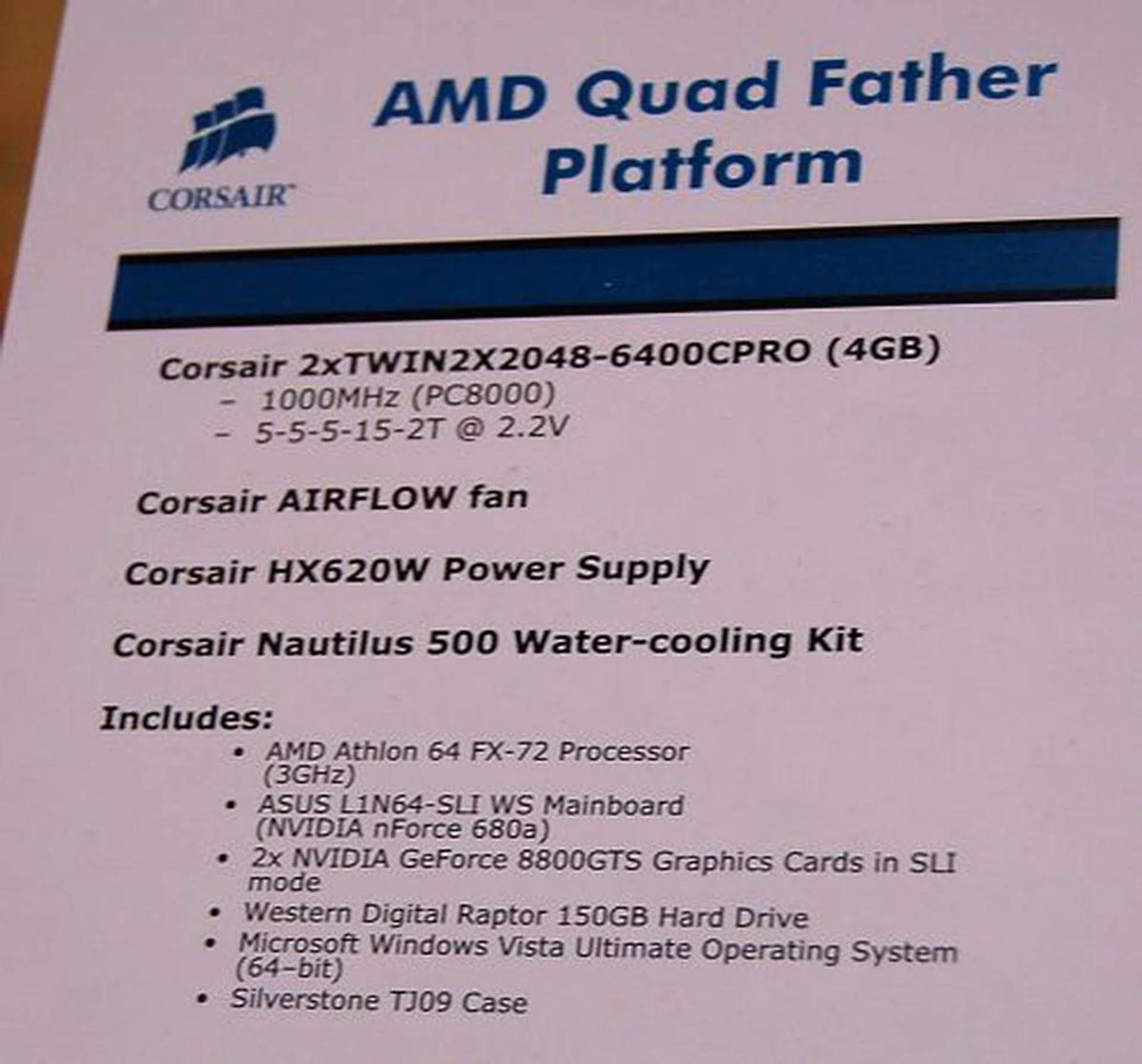
Here's the specs of the system and note that there were actually multiple hard drives, not just one and the system was running 3DMark06 continuously, something which we do as well for our power and temperature testing as we've found this standard benchie to be plenty taxing - if you set the configuration correct of course.
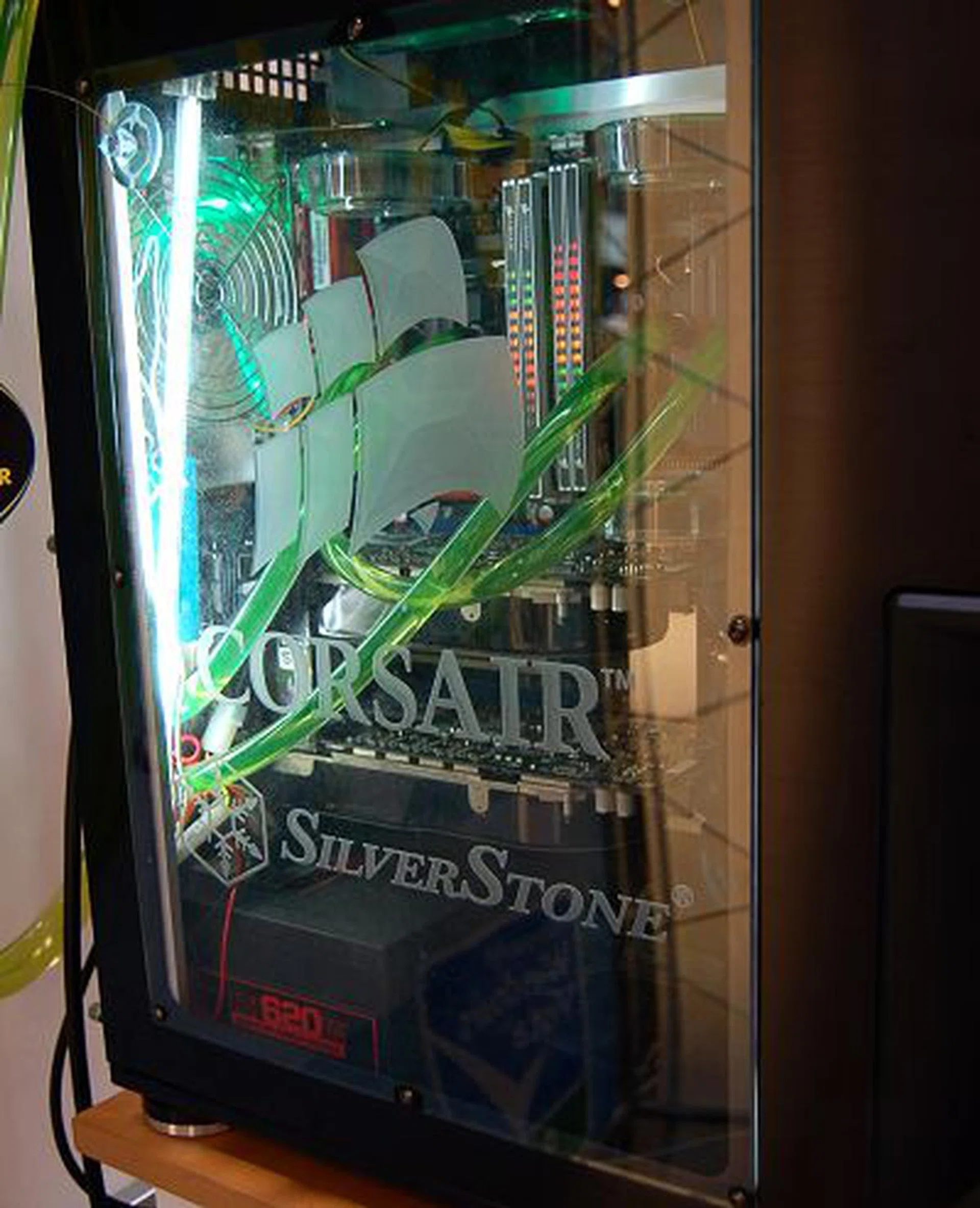
Here's a close-up of the system internals. Just one 620W Corsair PSU powering this "Quad Father system". Corsair will of course introduce more powerful PSUs in due time, but till then, this just an endorsement demo of their quality.
ProDisc's Booth
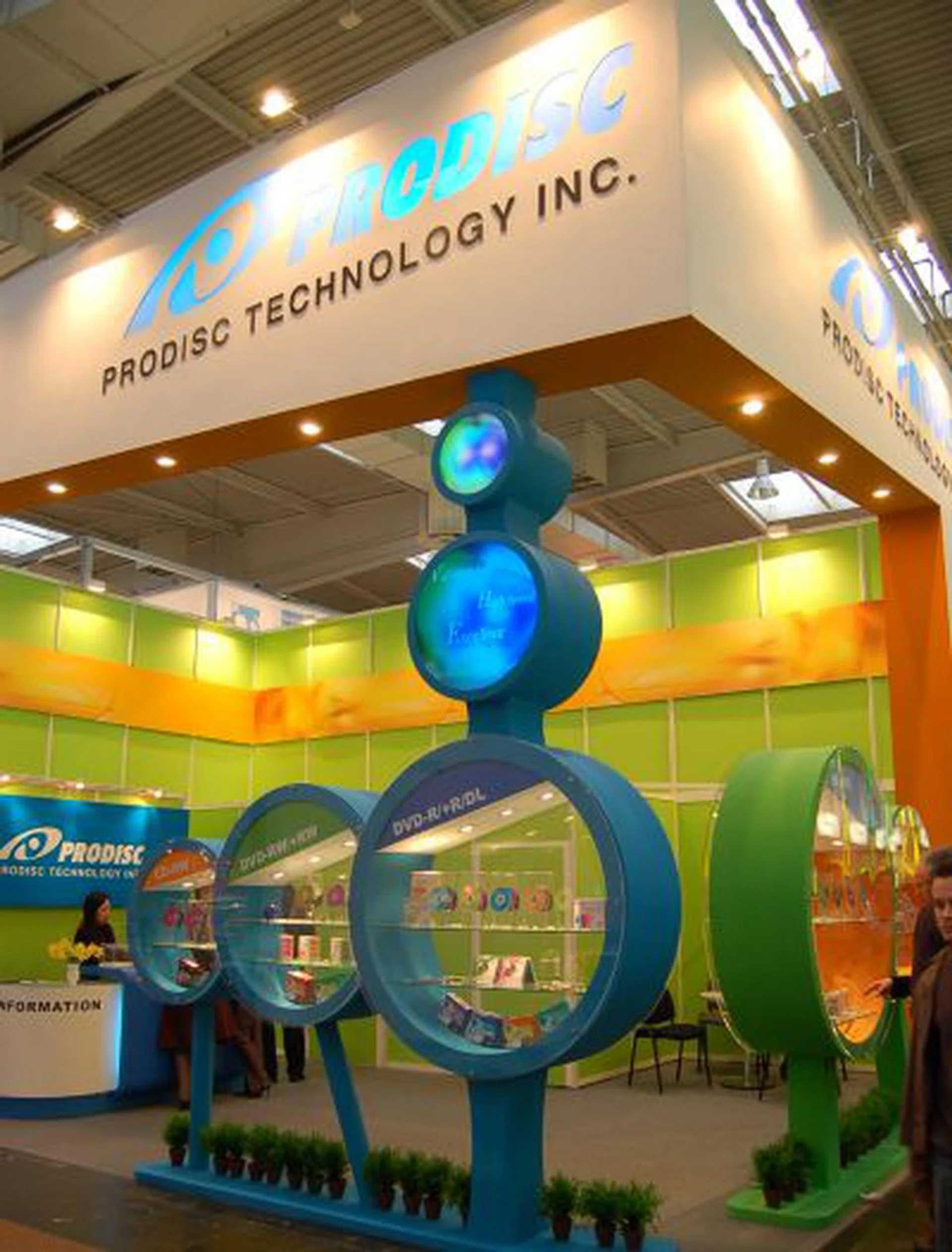
ProDisc was proudly displaying their next generation optical media for both HD DVD and Blu-ray in a very neat setting.
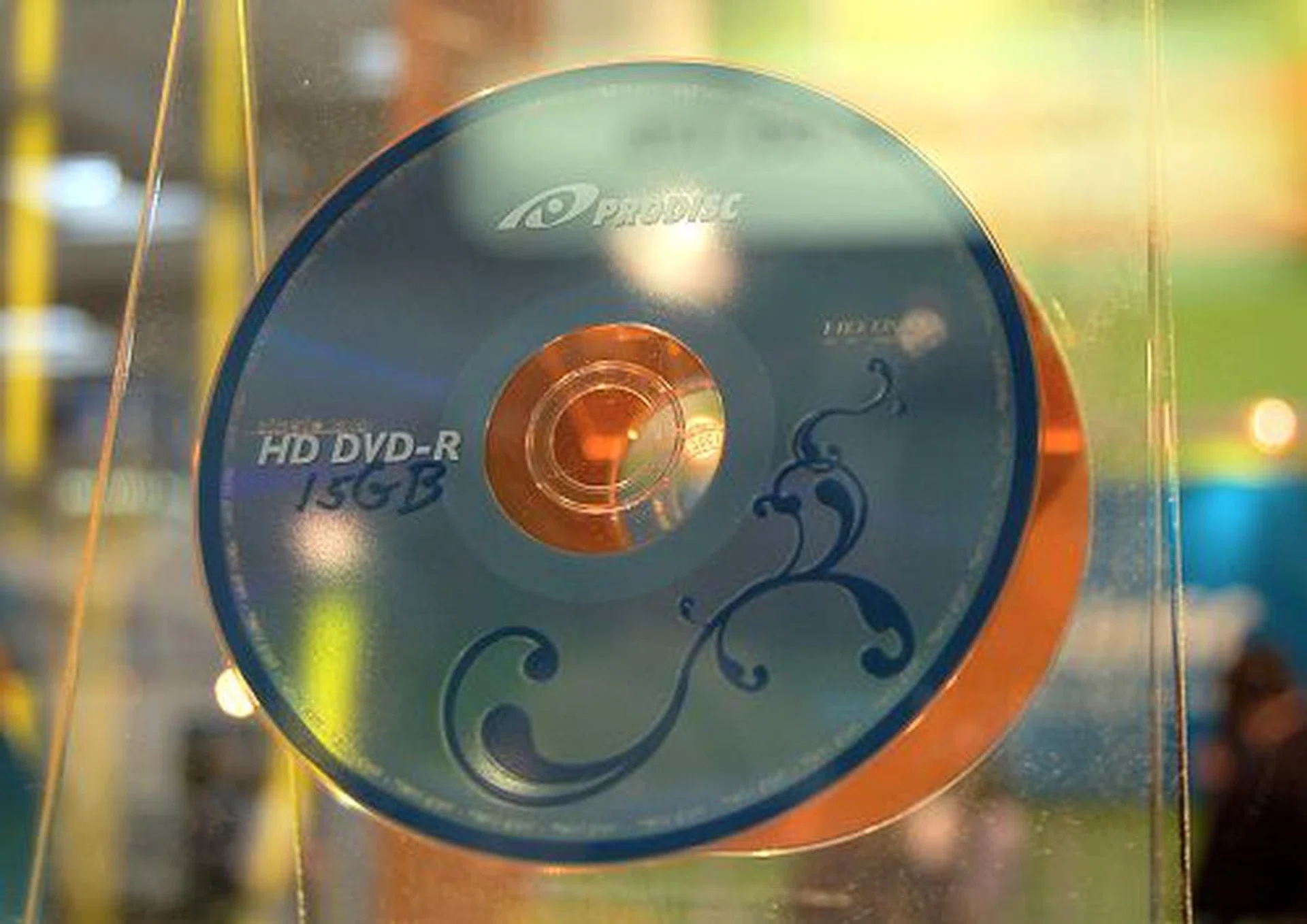
A HD DVD-R disc with 15GB capacity.
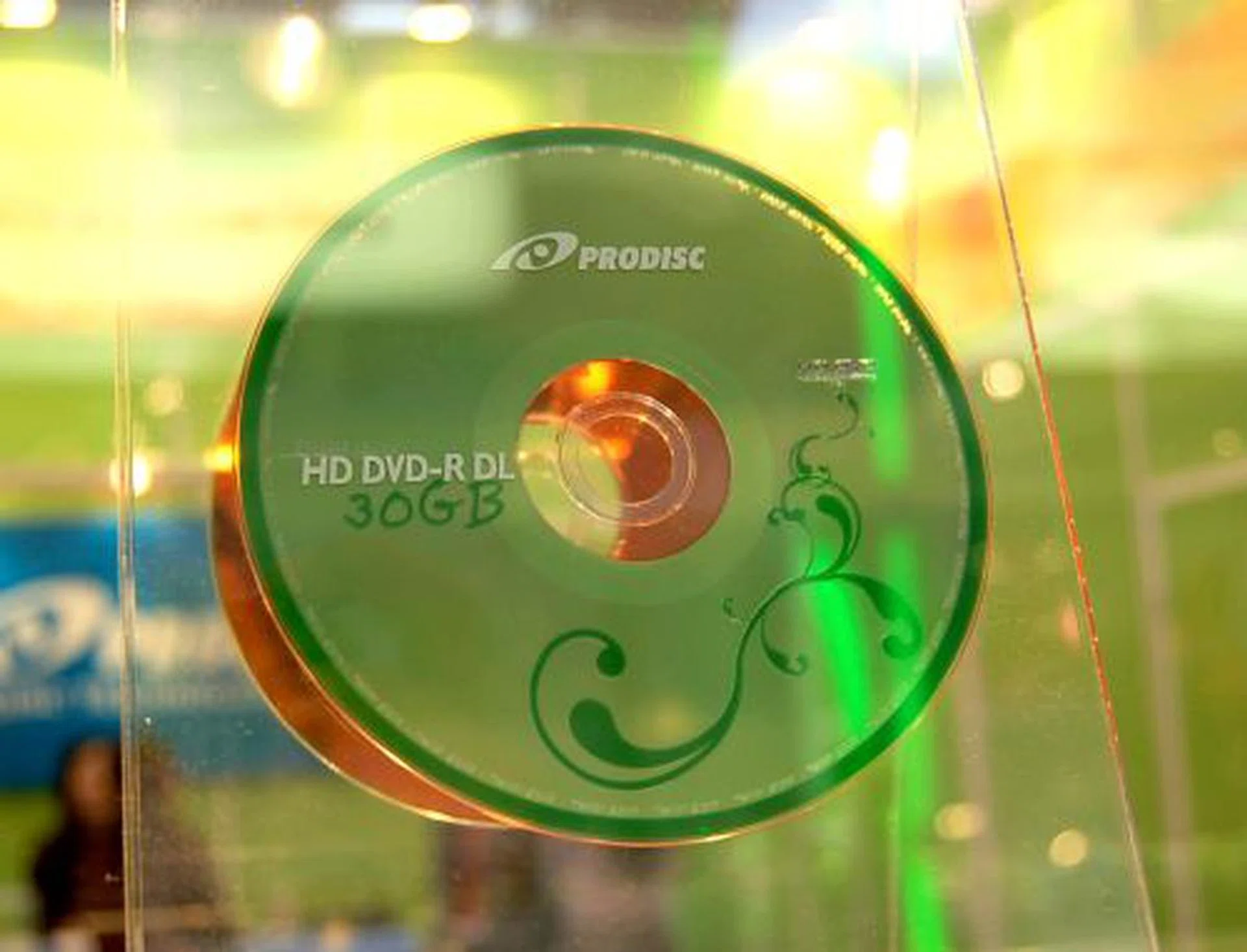
For higher density storage, here's a HD DVD-R DL disc with 30GB write capacity.
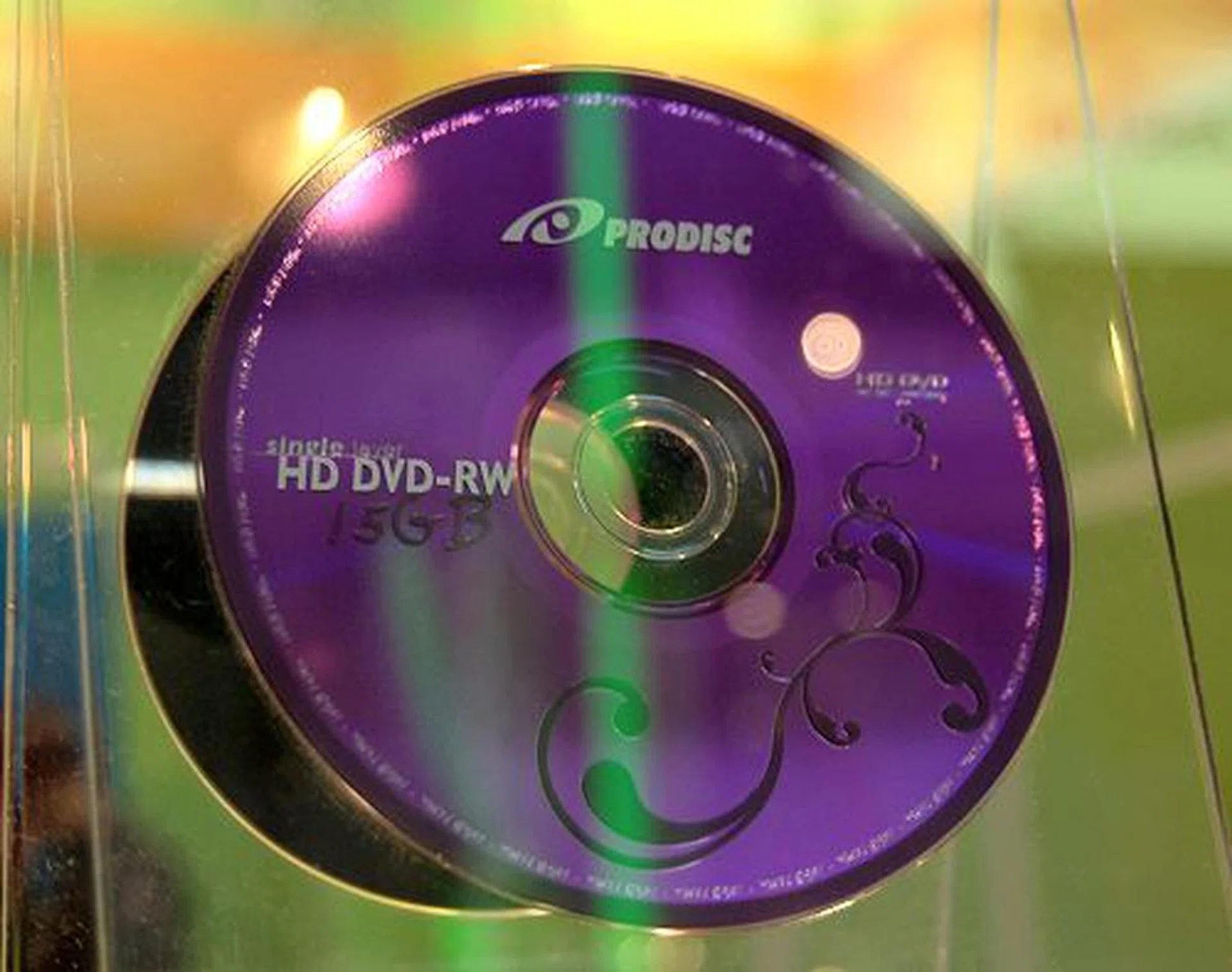
For rewrites, there's a single layer HD DVD-RW 15GB disc. However the dual layer version isn't ready yet.
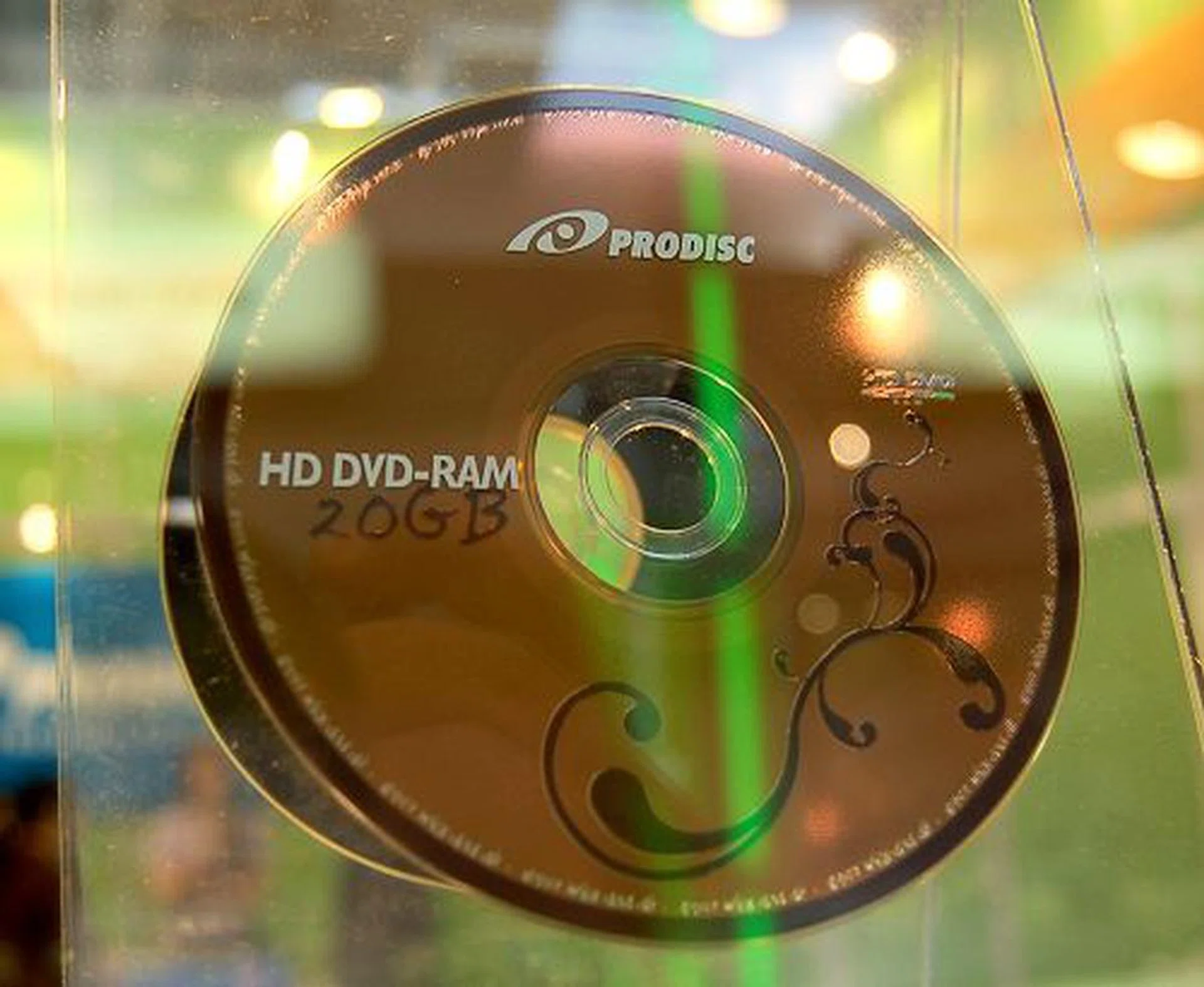
A HD DVD-RAM disc with 20GB write capacity.
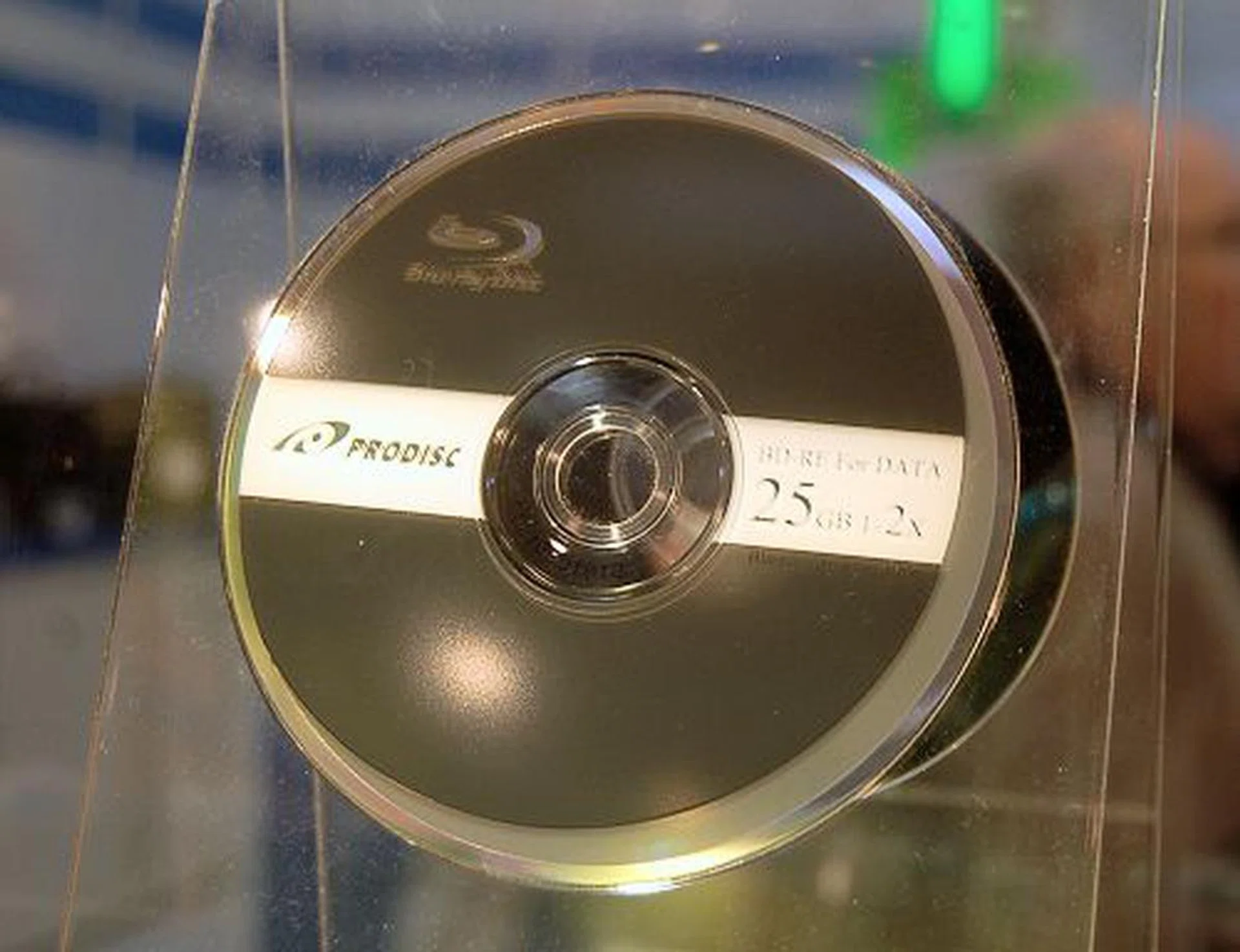
They also had a Blu-ray disc on show, a BD-RE 25GB disc rated for 1x to 2x write speeds and recommended for data use.
Our articles may contain affiliate links. If you buy through these links, we may earn a small commission.