
A Call from the Past - 10 Years of Mobile Phone Development
Once again, we take a trip down memory lane as we take stock of mobile phone technologies that have made an impression in the past decade, from the turn of the century, to its evolved successors of today. Check out some of the biggest highlights over the decade, from 1998 to 2008!
10 Years Down the Mobile Road
You might be thinking that the phone in your hands is a natural accessory in your life. But the truth is, mobile phones
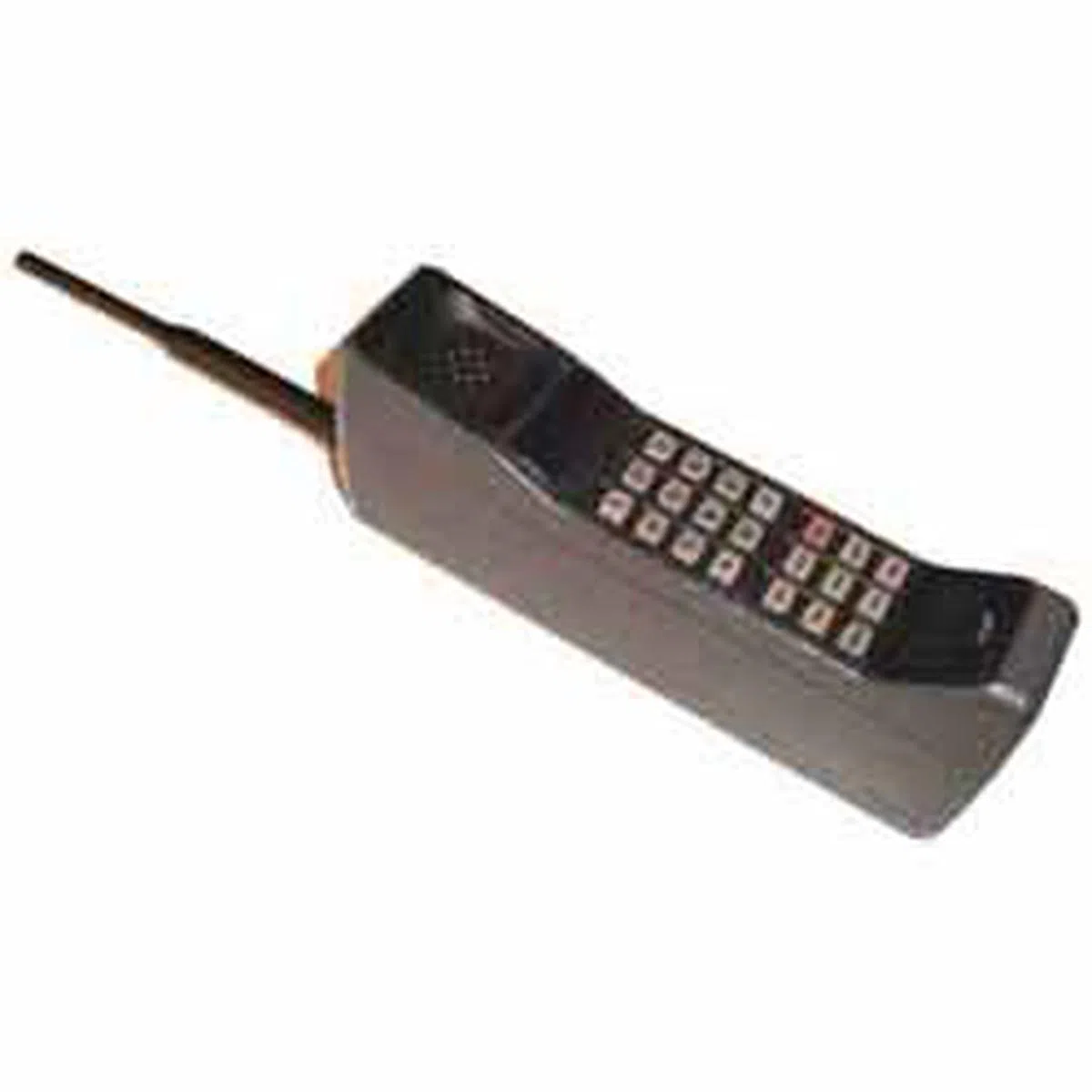
started off as a rich man's item, and if one were to take a trip down memory lane, the image of a big, chunky phone the size of a water bottle and its long and thick antenna comes to mind.
The years have progressed and gone is the concept of mobile phones being a luxury device for the business executives, and came the mainstream market seeking a new device to keep in touch with those around them. As mobile phones started becoming a mainstream product, manufacturers were on the move to pick up on the following trend: the smaller you are on the exterior and the bigger you are on the inside, the more valuable you are.
This philosophy was closely valued and guarded till the present day, when new focus areas such as speed, connectivity and multimedia delivery came into the picture as we see the evolution of these mobile phones into a media player, a web browsing device with high-speed Internet connection, and many more.
 |  |
CDMA, GSM, WCDMA and HSDPA - though the technical jargon for the cellular networks are of no interest to the general consumer, one must remember that these are but just the little things that matter for a mobile phone. There's also the matter of generations, and we are speaking of how the cellular network has evolved from a mobile phone having support for just a single GSM network to the current quad-band devices that spans itself on a global scale. Network generations have been seeing a steady evolution from its first generation all the way to its current 3.5G iteration with HSDPA (High Speed Data Packet Access).
 |  |
Convergence is a major part of the mobile phone evolution and camera phones came into the picture at the turn of the century. Starting off as just a phone with a camera as an added bonus, the camera phone became serious business as it started a trend of self-portraits and image blogging with just a flick of the phone.
Improvements on the audio and visual front for mobile devices have been plenty. Just listening to the ringtones from your mobile phone would give you a clear indication of how far it has come along the way, from the dull monophonic ring tone, to the now defunct and short-lived polyphonic tunes, and finally the current truetone format which includes MP3 and WMA playback options. With the advent of the truetone format, it was just a matter of time before the phone doubled as a portable audio player.
Displays played just an important role in the evolution of a mobile phone into the multimedia device that it is today. From the monochrome days of pixilated displays, to display resolutions that support up to 16 million colors, this has made it all possible for you to have a more colorful interface and even rely upon it as your portable media player for photos and videos.
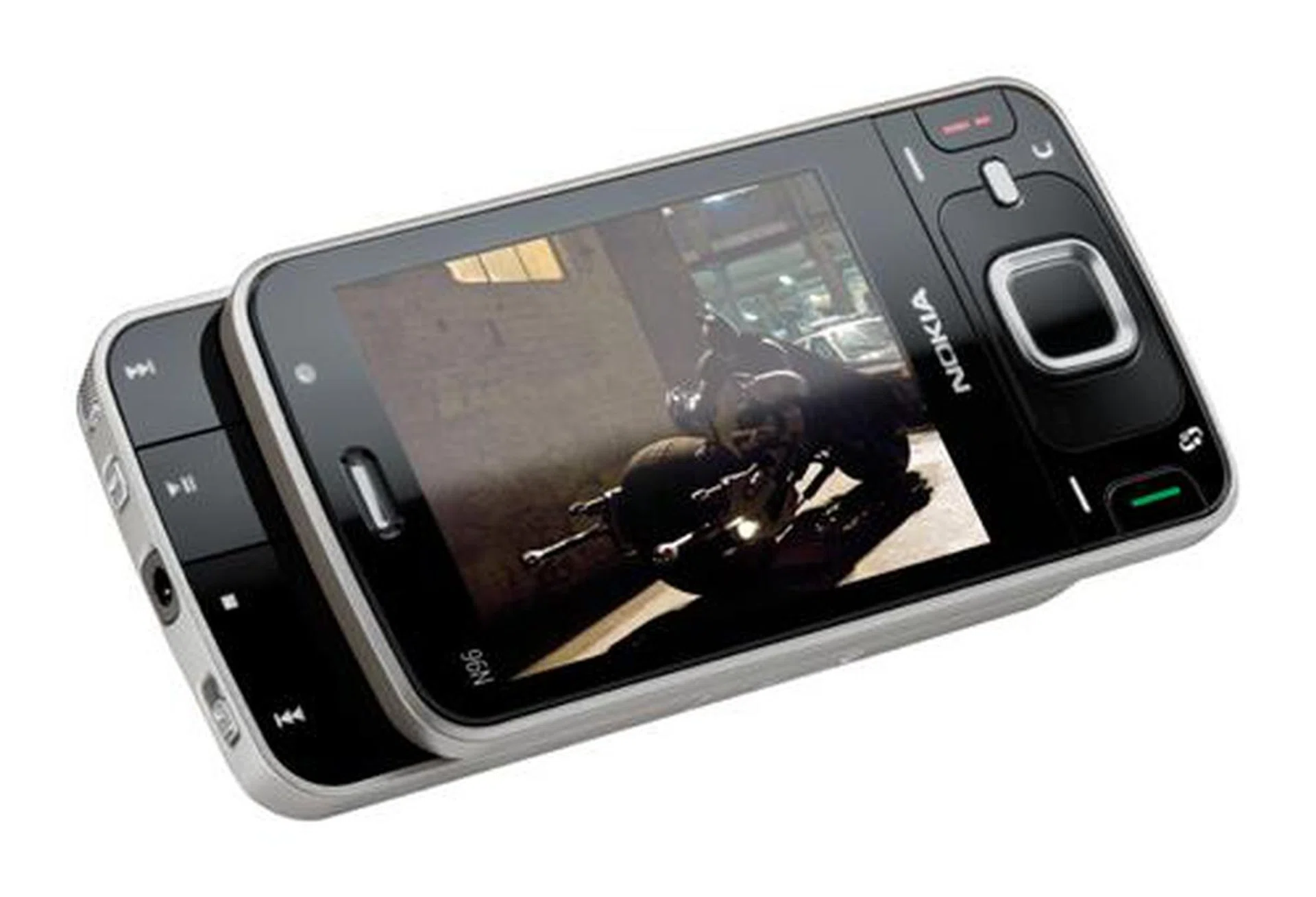
With more features such as storage capacity of 16GB (up to 32GB with an expandable storage), DVB-H support and an integrated accelerometer on devices such as the Nokia N96, this is only the tip of the iceberg when we are looking at the upcoming developments for mobile devices.
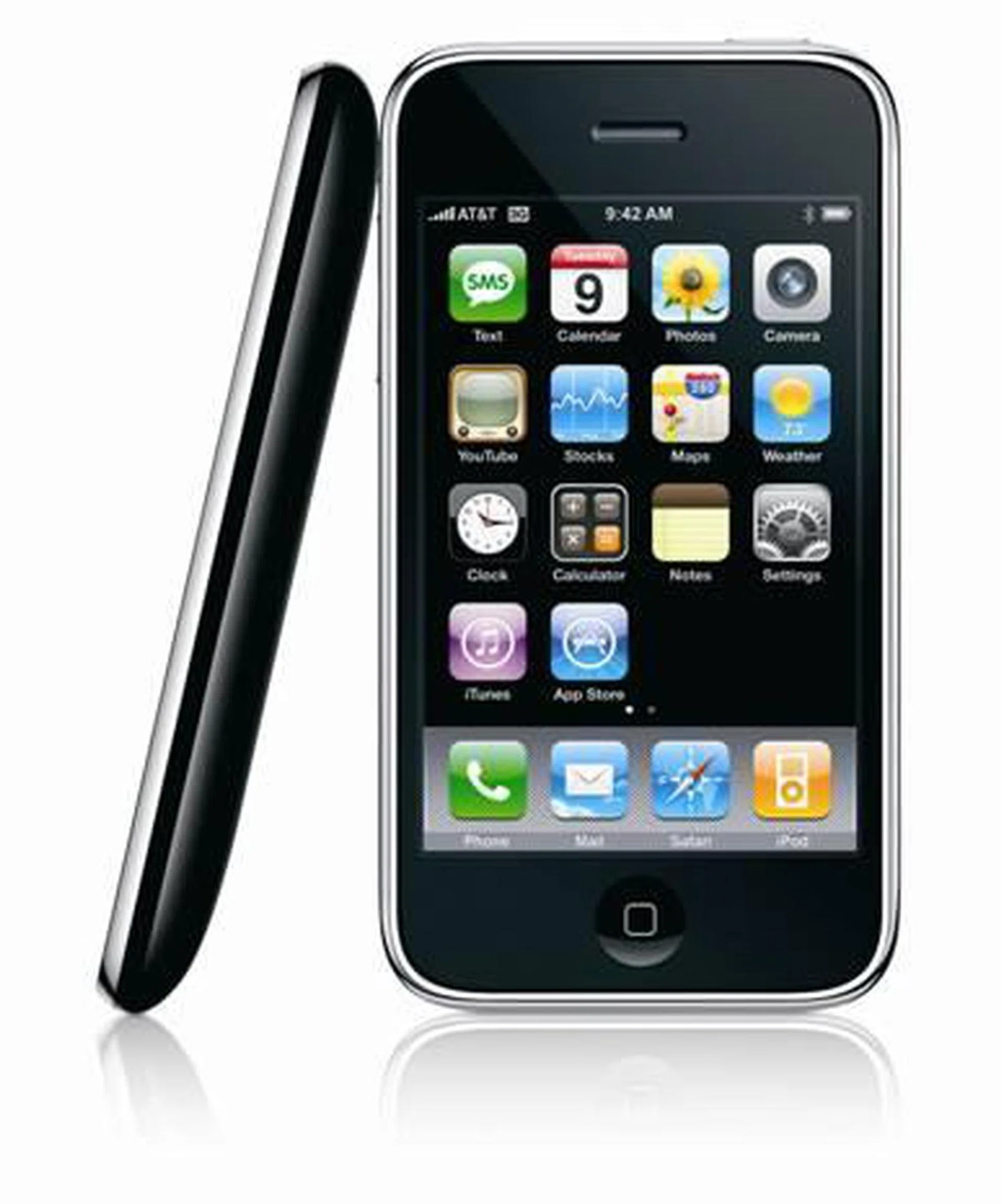
To say the least, in the last 10 years, the phone that managed to steal the thunder from many others, is the iPhone. And with the annual Worldwide Developer Conference coming soon, the rumored new iPhone might once again, steal the limelight for the year 2009.
And when we are talking about connections, there's more to look out for than just your normal cellular connectivity. Wireless connectivity took a front seat when the notion of phones being linked to PCs was realized with the aid of infrared connections. Data connection, slow as it may be back then, was still possible without wires. Fast forward to the present day and we have the Bluetooth standard looking out for wireless device users. And this is not just limited to simple data transfer from your phone to your PC and vice versa. As the Bluetooth standard evolved, so did the mobile device's connectivity options, with the added speed and capability to stream your music wireless from your device to a Bluetooth stereo headset.
Just a few years back, Wi-Fi was still off the radar for mobile phones, but the recent spate of mobile devices have shown otherwise, with a slew of them being Wi-Fi capable and providing you with faster speeds on the 802.11g/b speeds from an otherwise slower 2G or 3G GPRS networks. And though not exactly superior to Wi-Fi, the introduction of HSDPA, or more commonly known as 3.5G, gives you dedicated broadband Internet access straight from your phone.
In truth, the above mentioned evolution of the mobile device is only the tip of the iceberg. Predictions, as far as one goes, are varied for the future of mobile devices. Phones with 3D holographic projection or phones small enough to be utilized as an in-ear device, or even devices that are self-charging and require no external power source - these are just a few wild cards that can manifest in the years to come. The technological race is a fast one, and who knows, 10 years down the road, we'll be reminiscing about how small 16GB is, or how we ever coped with the H.264 standard video clip.
Before 2000
- Taking a trip down memory lane, let's reminisce about the good old monochrome devices that got all the envious stares of most people who might still be pager users back then. This was in an era when Motorola, Nokia and Ericsson (now known as Sony Ericsson) were on top of the game with their offerings. Notably, Nokia had a few definitive devices that made strides in its design. To name a few, the Nokia 6110 was an icon amongst mobile phone enthusiasts at that period, and with the advent of internal cellular antennas within the mobile phone, came the Nokia 3210.
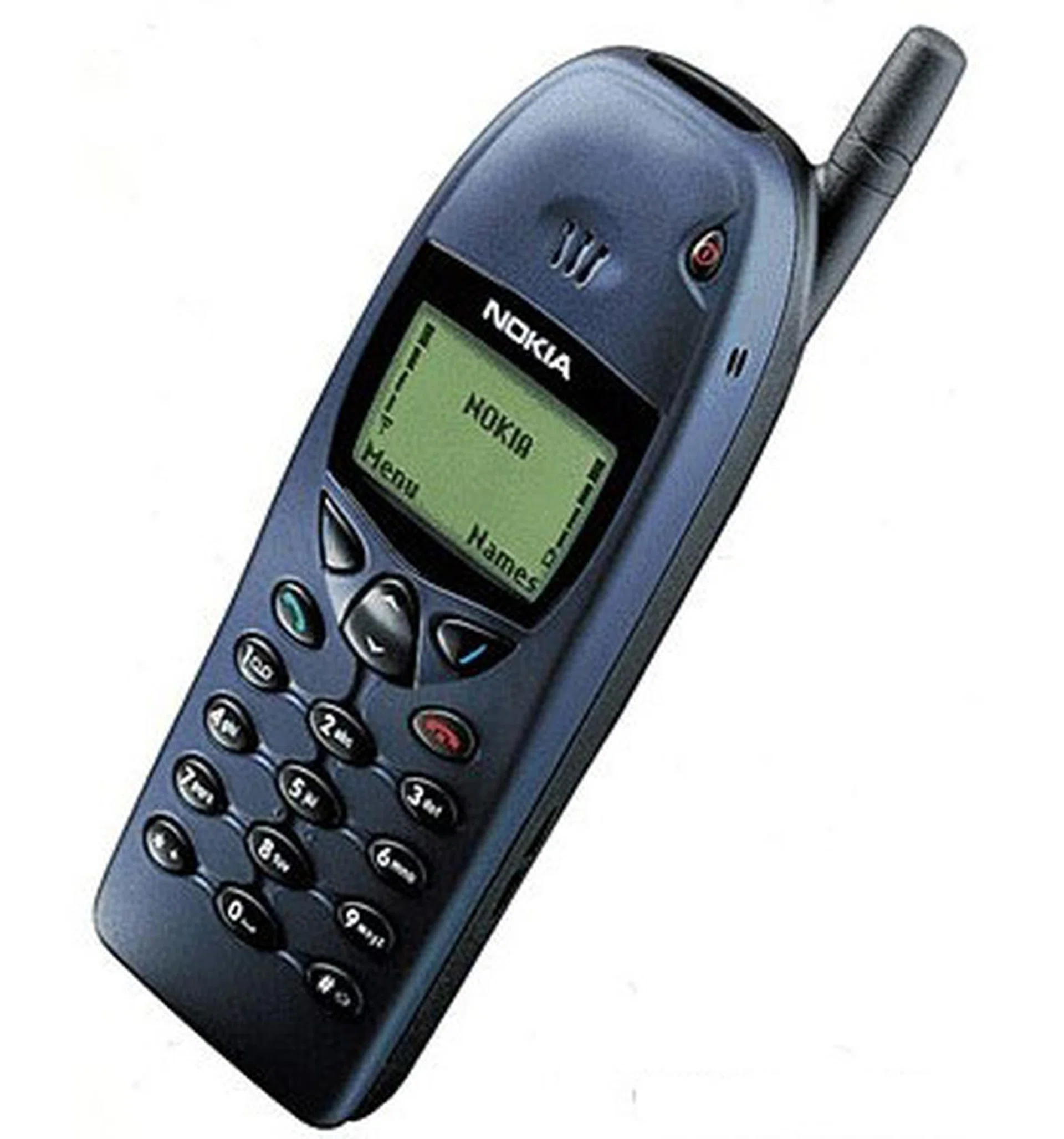
The all familiar Nokia 6110, with its iconic green backlit monochrome screen and the soft rubber numeric buttons, was once the rage, as with most other phones of present day.

Moving onto another year, the Ericsson T28s came into the consumer market by 1999, being one of the first few flip phones that was small, flat and not to mention the notably flat antenna too.

But all that changed when internal antennas came into the picture with the introduction of the Nokia 3210, though the top-heavy device felt less comfortable in the hands than its earlier sibling, the Nokia 6110.
www.hardwarezone.com had its eye on the mobile phone front during this period of time, and as we moved on to bigger things, came the next logical step in our technology chase: mobile phone reviews. In the years to come, the mobile phone's growth rate was undoubtedly fast and furious, and with it, the expectations of the consumers grew just as exponentially in this aspect.
2000
- With the start of a new millennium, a new approach was taken on with a stronger focus on the consumer electronics market. Mobile phones were a serious business even back then and undoubtedly, miniaturization was till the core focus of almost any manufacturer during that era. In the year 2000, we saw the unveiling of the Nokia 8210, which builds on the internal antenna design as seen on its Nokia 3210 and effectively shrinks it down below the size of your palms. With the Nokia 8210 making its entrance (followed by the blue backlit Nokia 8250 with its trademark butterfly navigation pad), the path was laid out for a new generation of phones that does not reveal the unsightly bulge in your pants.
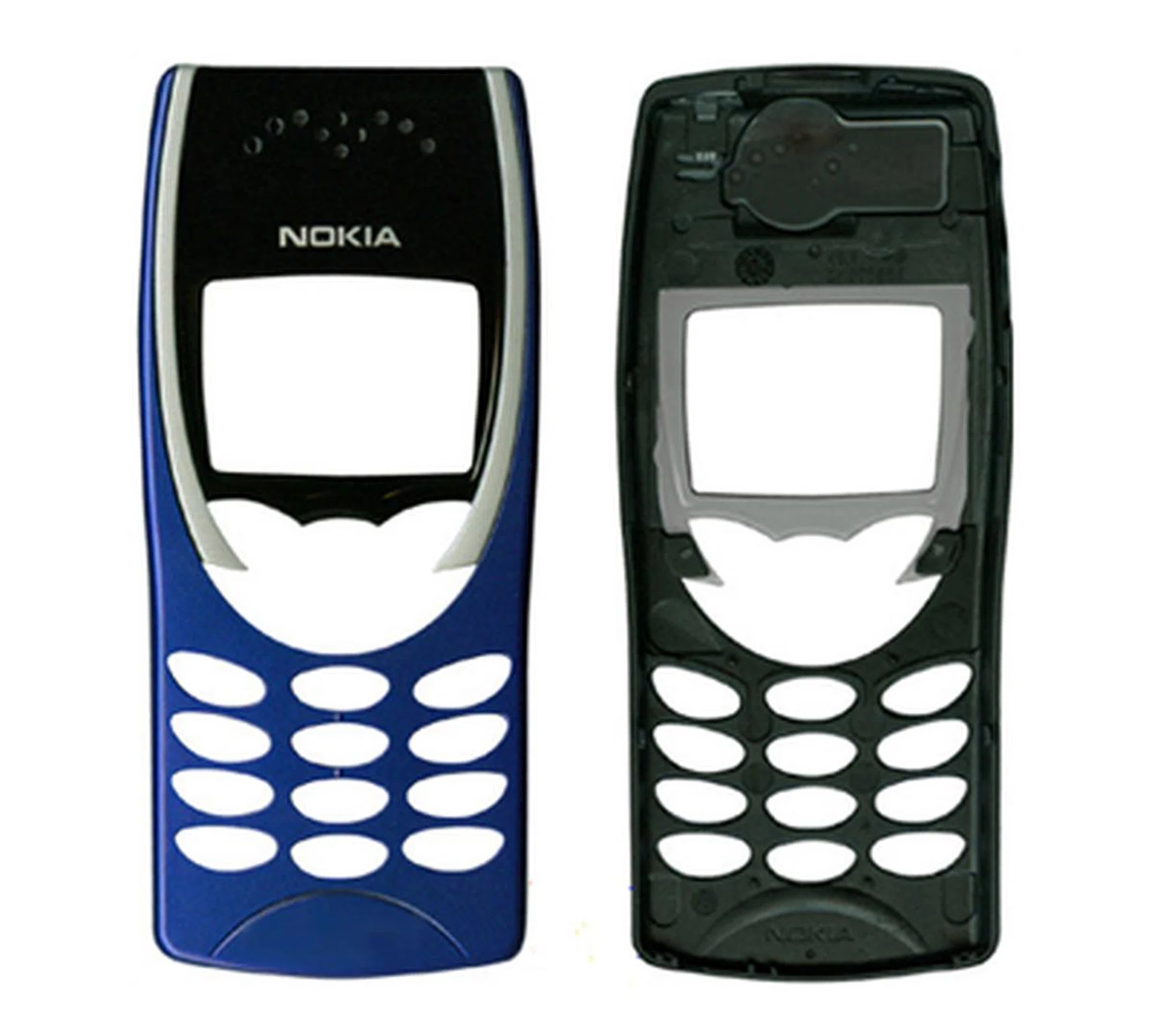
A little nostalgia for all your mobile phone junkies out there who have been modifying your Nokia 8210 to fit your mood, be it from the official ones by Nokia or from unofficial third-party sources.
- The turn of the millennium was also the beginning of a new trend that brings with it a new era of mobile entertainment and productivity. Utilizing its Windows CE 3.0 kernel and branding it as the Pocket PC operating system, major players such as HP and Compaq were treading on a path where they envisioned a portable PC that could function as a cellular device in the coming years. This was hot on the heels of the Palm OS and its devices that had gained a fair amount of popularity amongst the tech enthusiasts of the time and without a doubt, brought much changes and developments on the mobile device front over the years.
2001
- By 2001, the winds of change were flowing in the market at that time when major manufacturers such as Nokia and Motorola saw a new competition on the block in the form of the joint venture between the Japanese consumer electronics giant Sony and Ericsson into the Sony Ericsson entity that would start a segmentation trend to target specific groups of consumers according to their varying needs. This would soon seep into the core values of various other manufacturers in the years to come, where the consumer demand became more stringent and varied.
- In the same year, www.hardwarezone.com made its foray into the mobile phone genre and started off nice and easy with the Siemens SL45 MP3/WAP Mobile Phone. To quote TechToyer, our inaugural mobile phone reviewer, "Siemens sent us the SL45 mobile telephone recently, and a fellow worker asked, "Are we reviewing mobile phones now?" Well, we're not. The feature that attracted us to the mobile phone (besides its galvanized appearance and attractive shape) is that it plays digital audio." In retrospect, it was the start of something that would develop into what we see on current devices. A cellular phone doubling as an organizer, a media player and many more, the Siemens SL45 will be what mobile phones become.
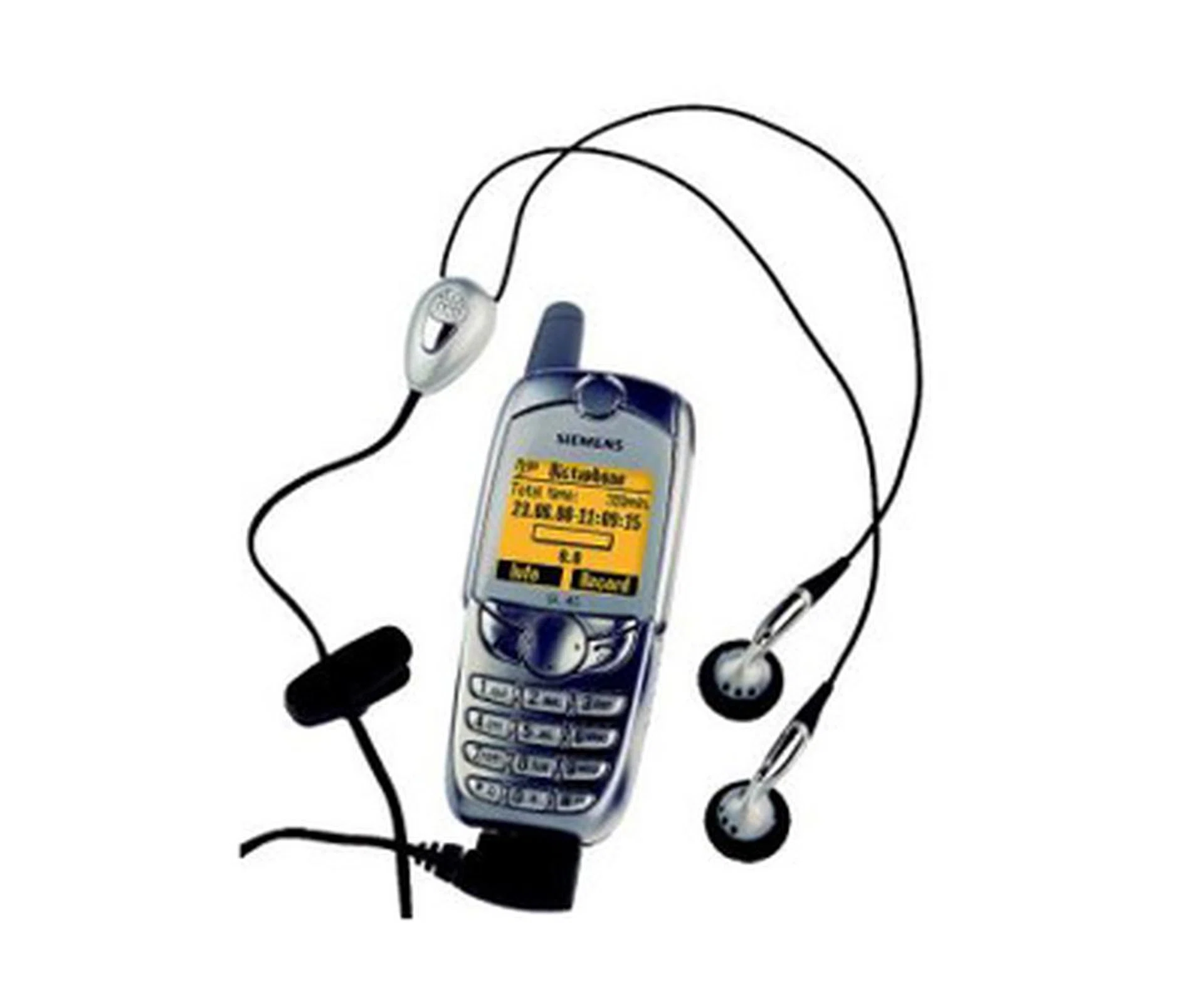
Back then in 2001, though the Siemens SL45 was meant to be reviewed based on its then impressive capability as a phone with varied features, it was the trigger that brought www.hardwarezone.com into the mobile phone review business.
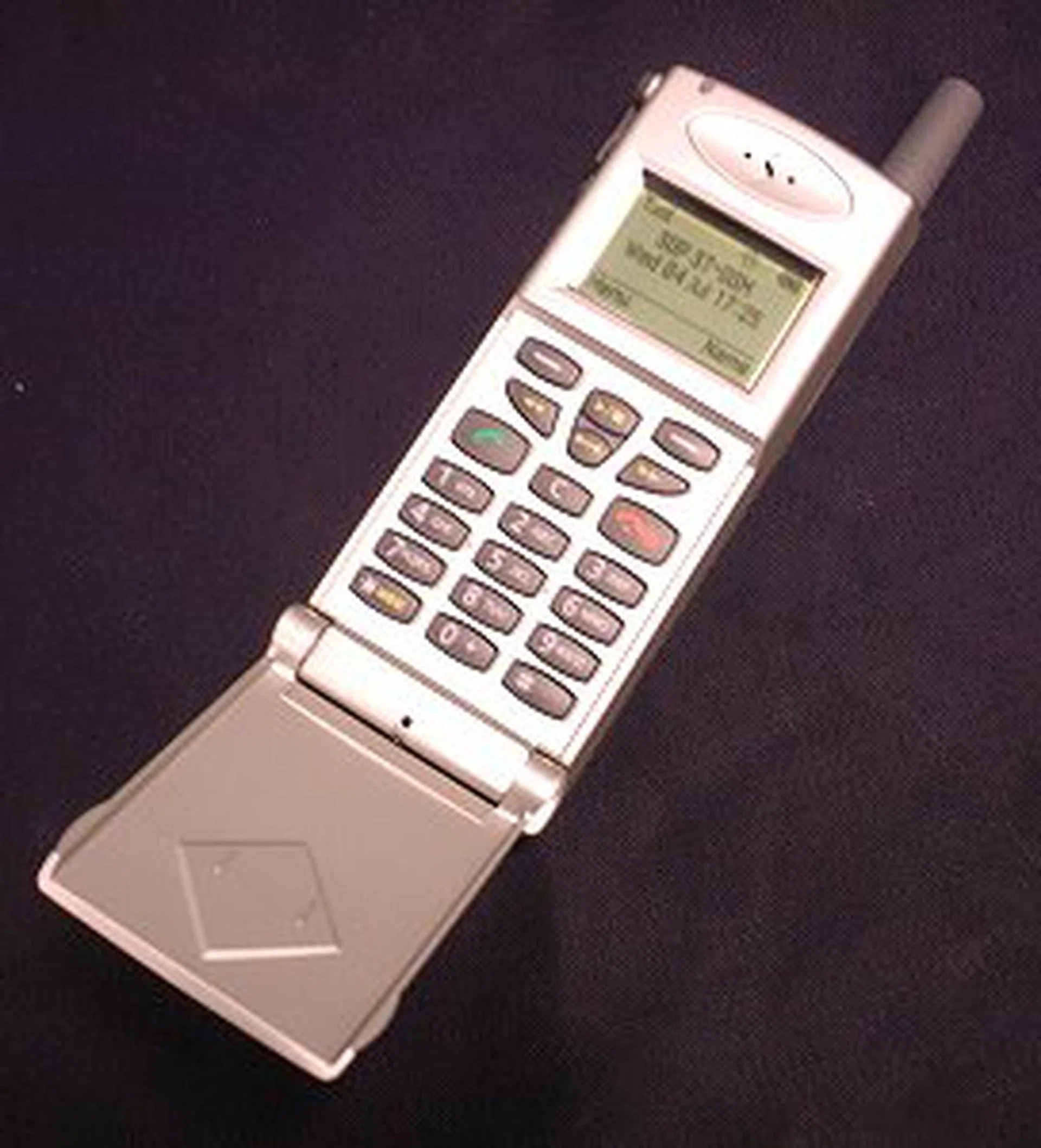
As we mentioned, it was the beginning of something big, and we also got our hands on the Samsung SGH-M100 MP3 phone back in 2001. Looking back, it seems convergence was already on the table, and has grown tremendously in the short span of 7 years.
- Considering a few key points in the cellular frequency development, one must not forget that travelers might encounter varying GSM frequencies as they hop from one continent to another. Thus, at a time when dual-band or tri-band phones were far and few, Motorola introduced a series of phones that fits the bill, and one of which featured was the Motorola V. series 66.
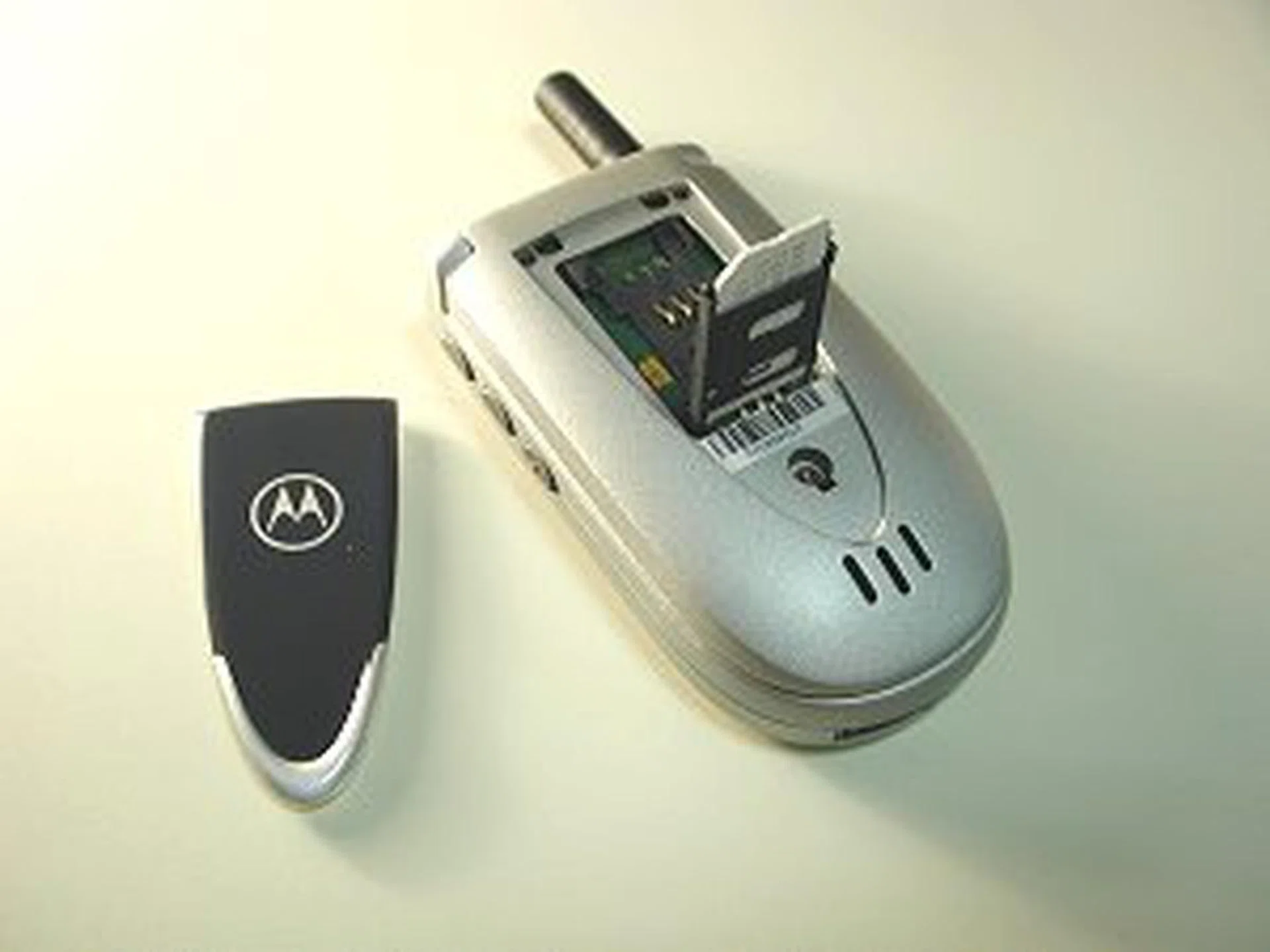
Clamshell phones, though not exactly new in the market, was one of the definitive designs that put the word "mobile" in mobile phones with its petite design. In its heydays, the Motorola V. Series 66 managed to capture the attention of consumers who seek a convenient and easy to use device, which was all found on this Motorola product.
2002
- In a day and time when multi-functional cellular phones rose to its calling, there was also the popular Personal Digital Assistant (PDA) manufacturer, Palm, which was well known for its devices' ability to keep your schedules organized and synced to your PC with ease. The first foray into the PDA phones market for www.hardwarezone.com came in the form of the Palm Handspring Treo 180.
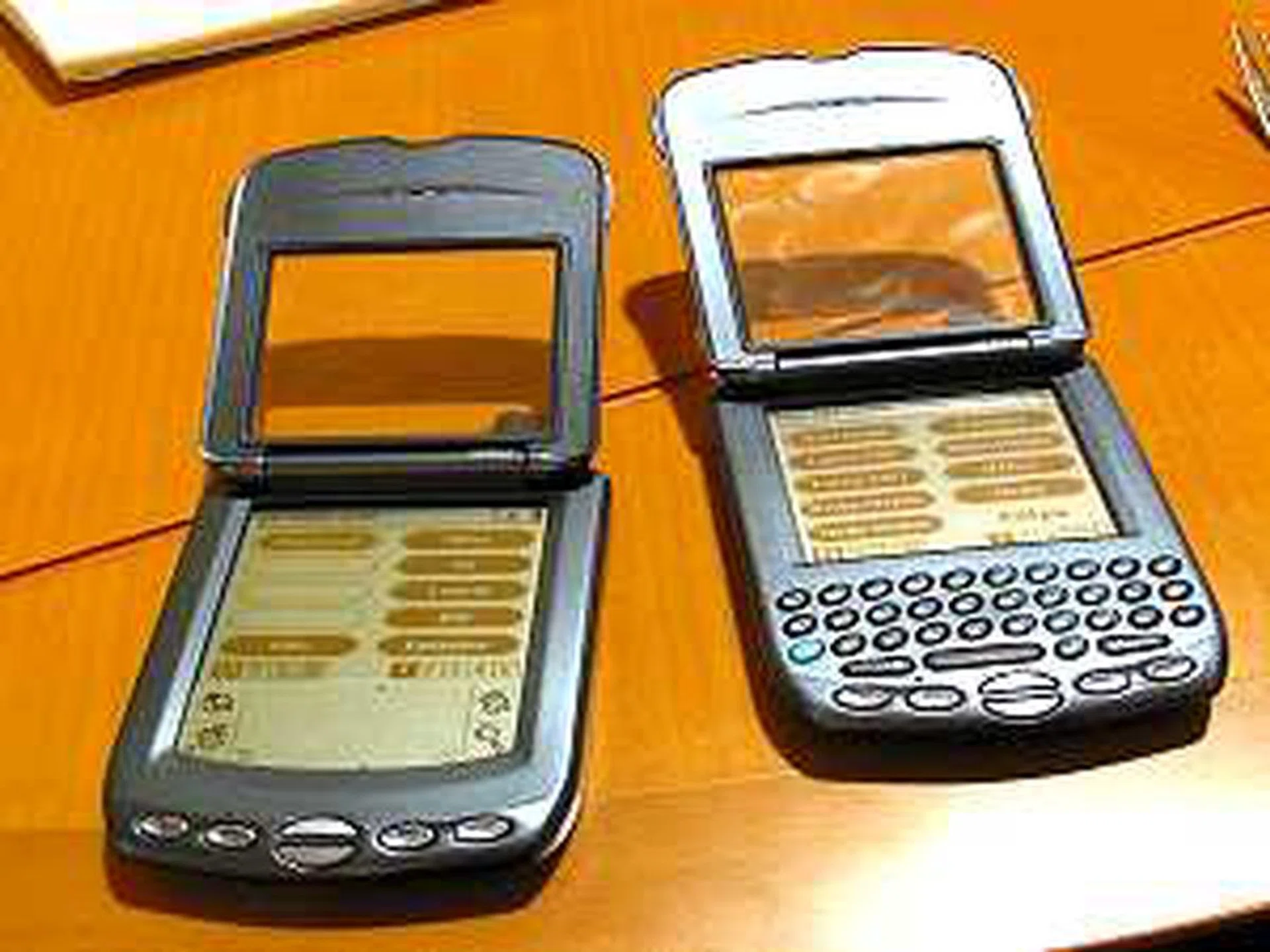
With a strong presence in the PDA market, Palm dabbled further with its Palm Handspring Treo 180, paving the way for a new line of devices that's caters to the business executives.
- The emergence of the various OS such as Pocket PC 2002 (with its current iteration as the Windows Mobile platform) and the Symbian UIQ and S60 series posed stiff competition to Palm's dominance over the PDA market in the earlier days. But whilst the three main mobile phone operating systems were slugging it out with each other, Research in Motion (RIM), the makers of the Blackberry, came out in full force by 2002, providing e-mail solutions to the corporate executives who require a 24/7 connection to their work mails.
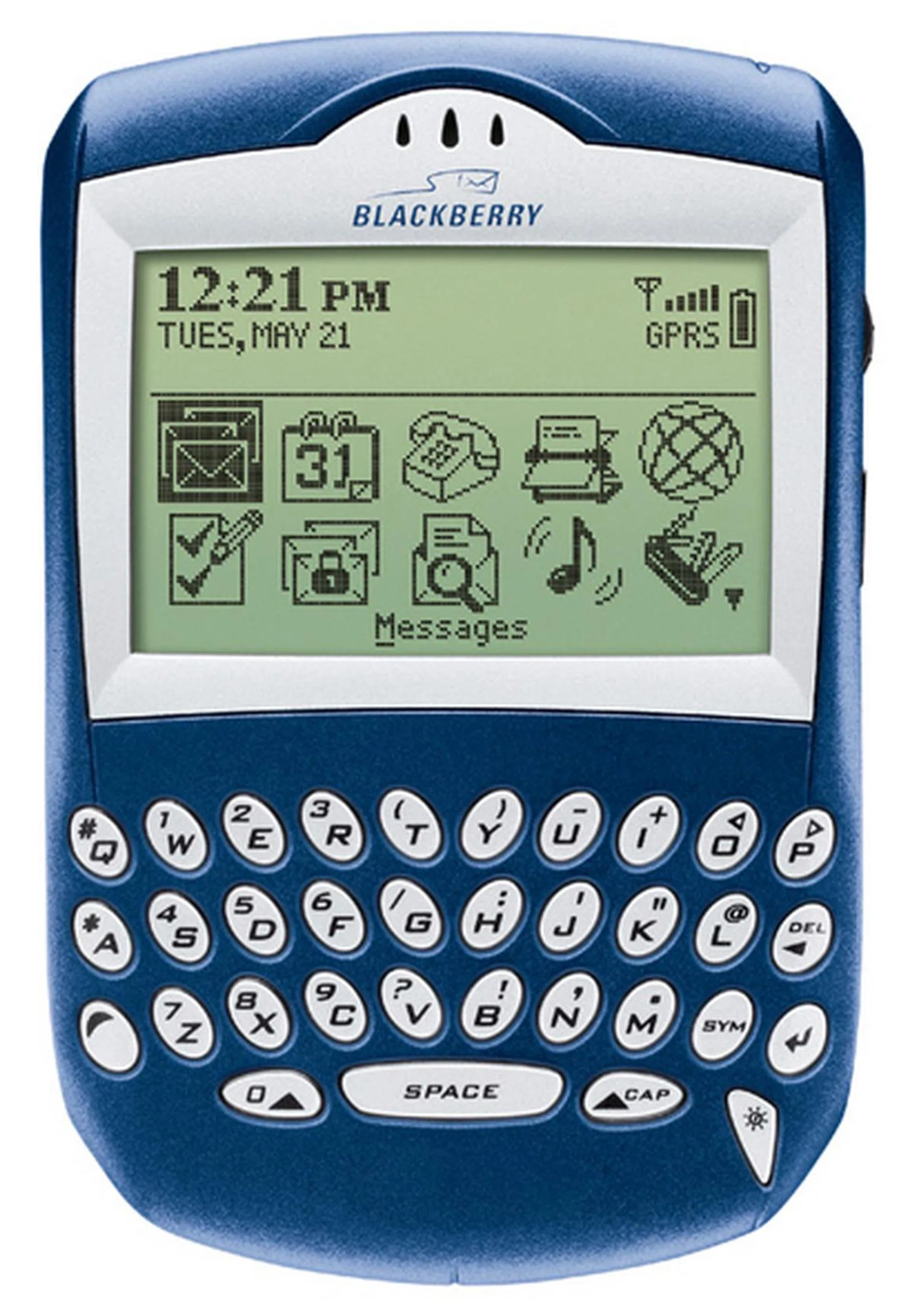
The introduction of the Blackberry cellular phone, or jokingly called "Crackberry" due to the highly addictive nature for one to constantly check their emails, realized the potential of having direct access to your work with just a simple cellular connection running on GPRS.
2003
- This was the year when mobile phones bade farewell to its monochrome days and got an internal makeover in a 'big way' with the introduction of colored displays. The typical thought of more is better will once more be another focus for many years to come, and devices such as the Blackberry 7230 and of course, there are the offerings from Nokia, such as the Nokia 3530 as reviewed during that period.
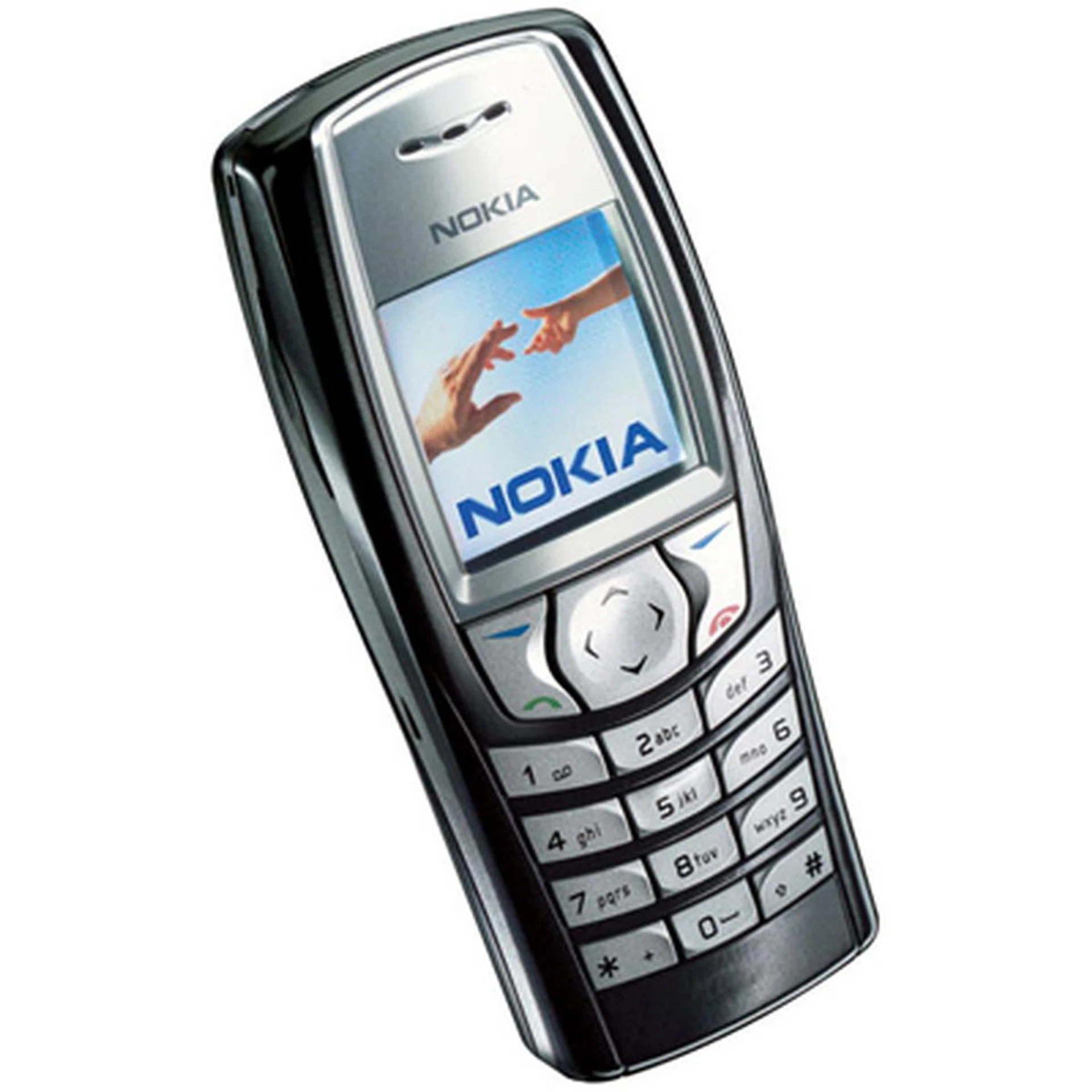
Our life was actually colored back in 2002 with the Nokia 6610. Yes, technically, color phones were in existence before 2003, but its popularity in the European and subsequently Asia Pacific region prompted Nokia to take the next logical step to provide colored display mobile sets.
- 2003 is considered by some to be the start of the multimedia age for mobile phones as the popularity of colored displays and integrated camera phones allowed one to share their media via an online network. Strictly speaking, camera phones have been making its rounds on the market way back in the early 90s, but what triggered open the floodgate for camera phones was Philippe Kahn who has been credited for creating the first camera phone solution sharing pictures instantly on public networks.
The infinite possibilities of shared experiences with a few taps of your fingers drove the high demand and supply of camera phones as seen by 2003. The Samsung SGH-V200 showcased a series of features that set itself as the forerunner when it comes with a 65K-color TFT LCD screen. More importantly, the V200 presented a very immediate accurate prediction of things to come for the mobile phone division with its integrated camera and polyphonic ring tone that will become another yardstick for future devices.
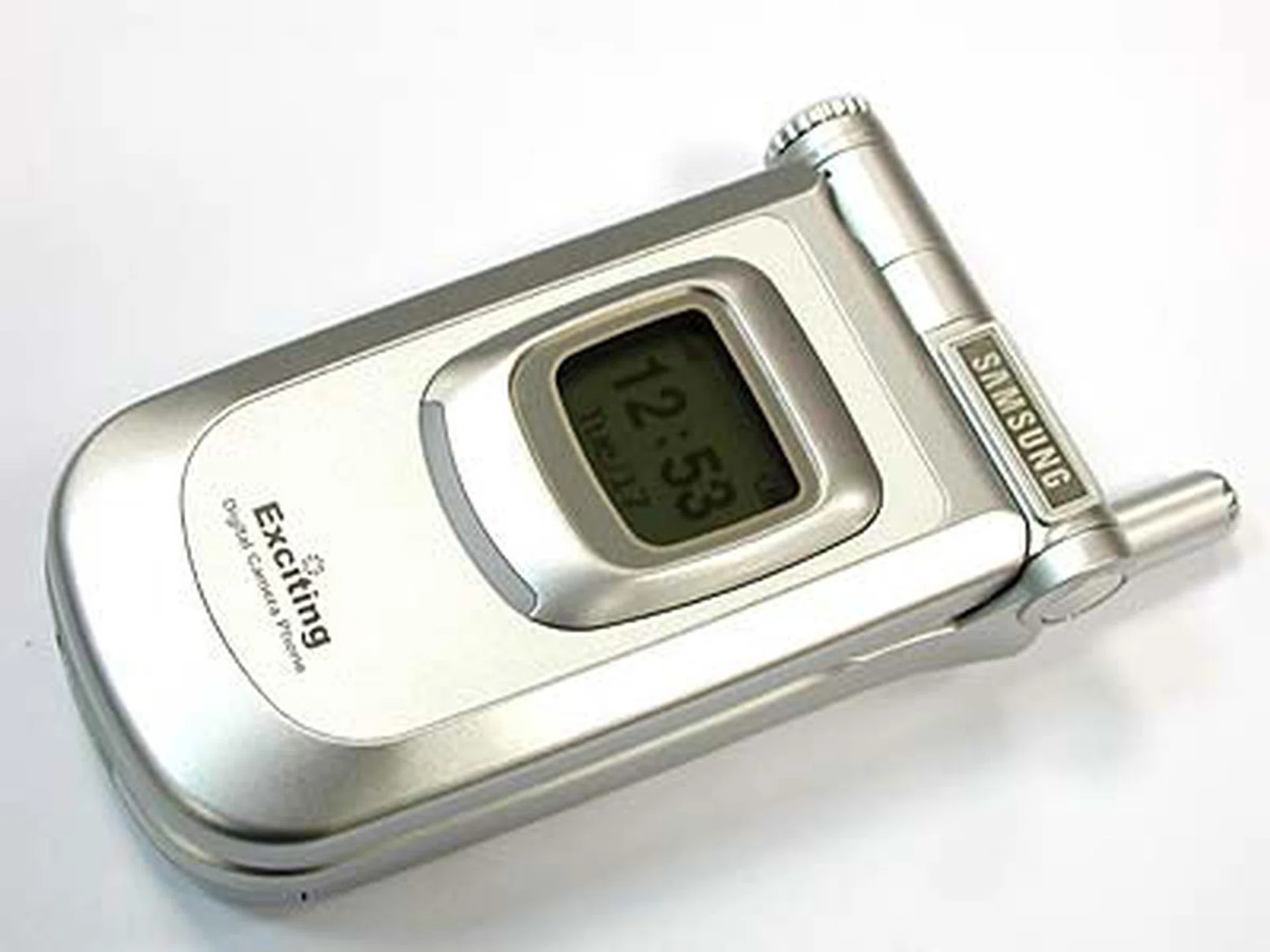
The Samsung SGH-V200 came at a time when the discerning consumers have seen the evolution of the mobile phone and raised their expectations of future devices. And Samsung didn't disappoint on this aspect with the V200's colored display, integrated rotating camera and ringtone options to spruce up your device.
- Product placement is nothing new, but for the gadget lovers and geek fanbase, the Samsung SPH-n270 was a pretty exciting device even though it never did hit our retail outlets due to the nature of its network band support (PCS CDMA frequency). The reason? It's the "Matrix Reloaded" phone. Forget about features and functions. This was THE phone used by Neo in his fight to save humankind from the machines.
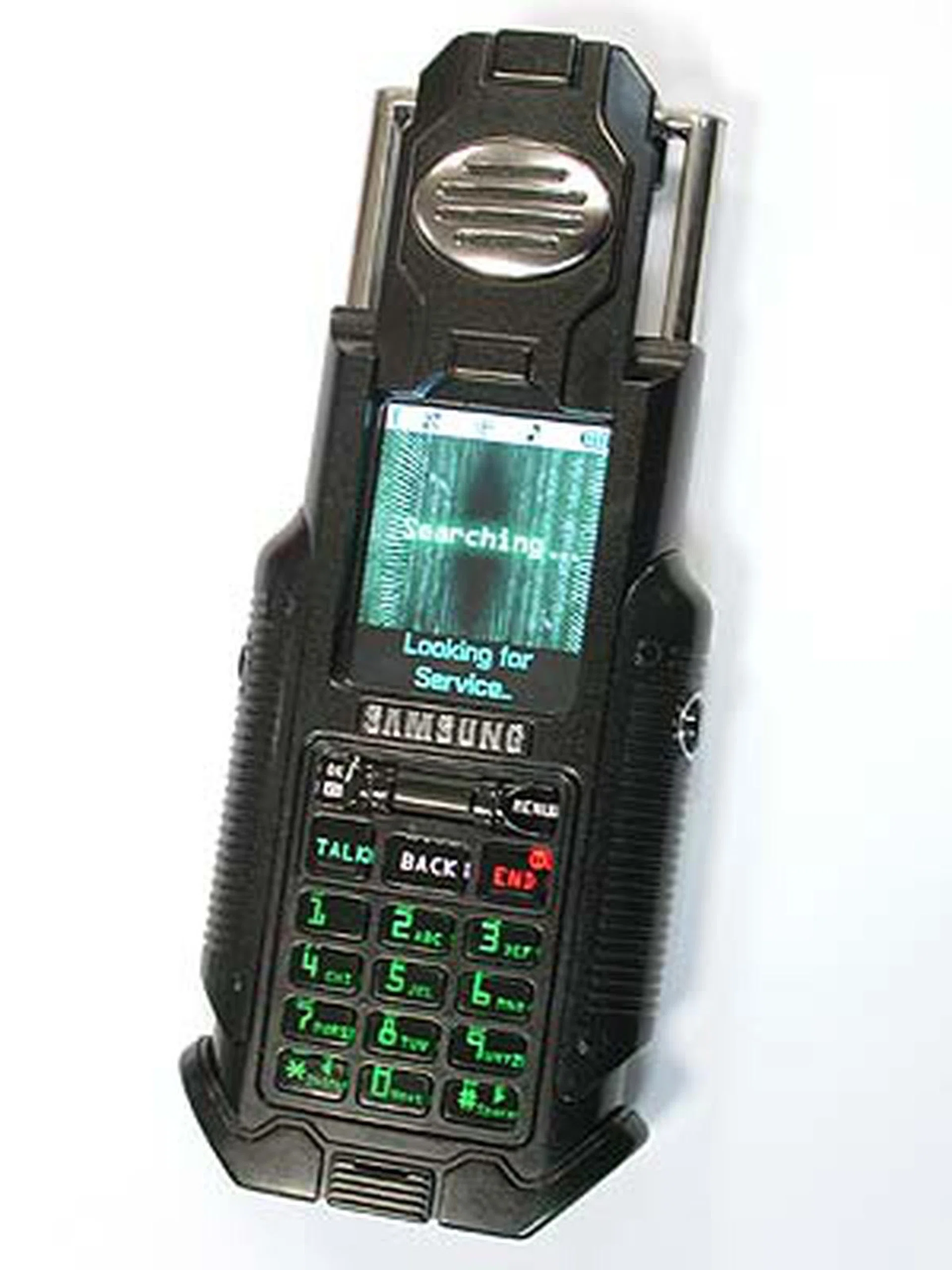
We believe a picture paints a thousand words, and with the Samsung SPH-n270 (or affectionately known as the Matrix phone), gadget lovers of the region could only read and admire those who got it in the States.
2004
- Development on the camera phone front was an ongoing project, and in a year's time, VGA resolution cameras went into the megapixel range with the Siemens S65 as one of the first few devices hitting the 1.3-megapixel mark. An increase in imaging resolution won't be the shocker as the year progressed, but the evolution of the mobile phone as a mobile internet device capable of receiving and sending multimedia files over the air looked to be the next big thing.
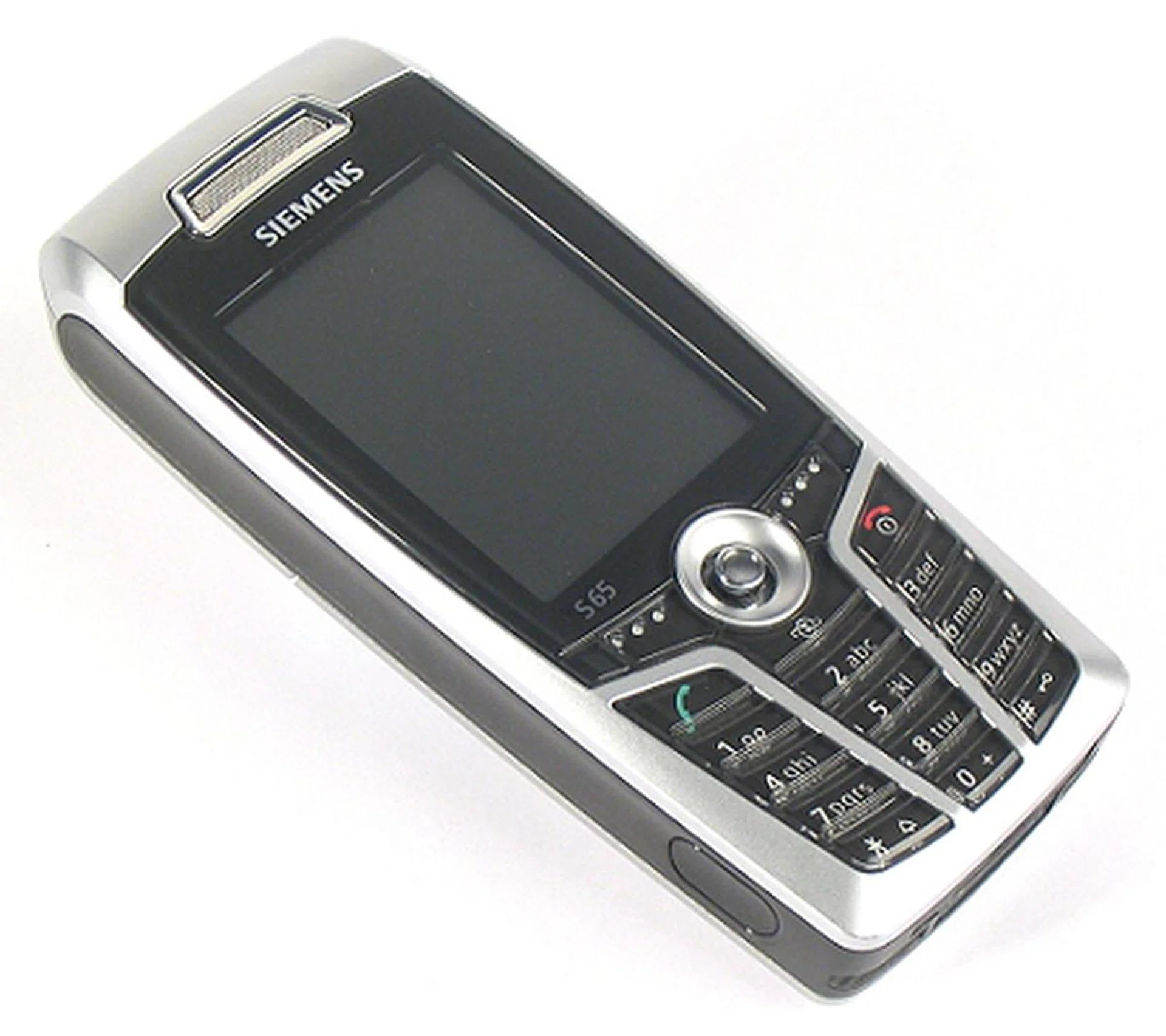
The Siemens S65 had more than one trick up its sleeve, with the inclusion of not only the 1.3-megapixel camera, but also stronger support for connectivity with its WAP2.0 protocol.
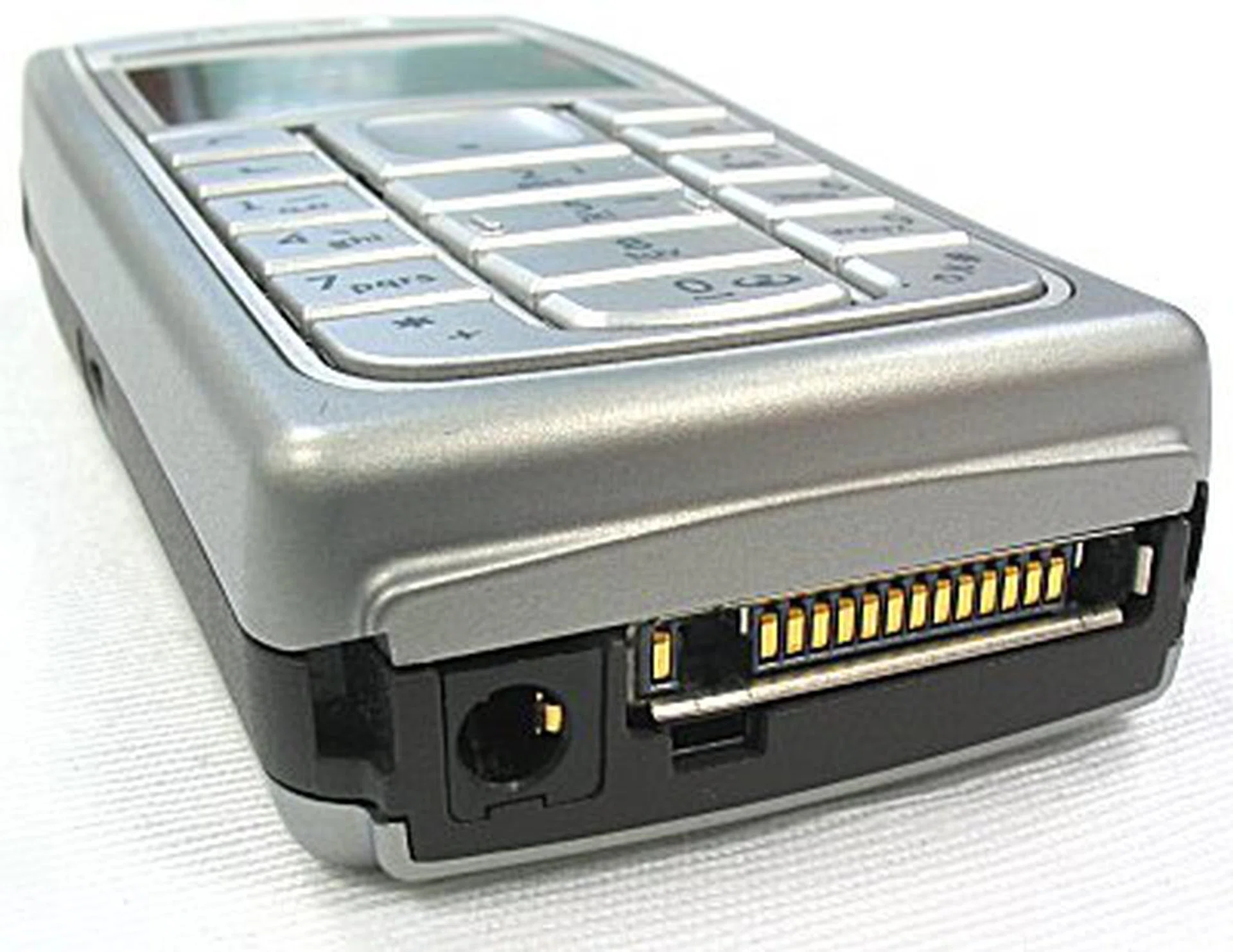
- With both GPRS and WAP 2.0 to work on during the 2G and 2.5G era, speeds were still considerably adequate for smaller MMS messages, but new standards were on the rise. Bluetooth connectivity for mobile phones took to the streets and slowly but surely replaced the old-school method of having an infrared connection from your device to your PC to synchronize your data wirelessly and thus bidding farewell to line-of-sight connections. Of course, when it came to wired connectivity, there's also the USB port which was adopted by phone manufacturers soon enough, but not soon enough for Nokia with its Nokia 6220 upgrade, the Nokia 6230 .
*
Though still utilizing its universal Pop-Port connector for its headsets and data cable, Nokia's and almost every other manufacturer's (sans Sony Ericsson) future lineups went the USB route very shortly.
- The PDA phone enthusiasts were also on the rise with a slew of power packed devices from the O2 branding, and back then, the O2 XDA IIi and O2 XDA IIs reigned supreme with its Windows Pocket PC 2003 OS and its myriad of multimedia and productivity features included in their devices. This would be the start of a segmentation between both Windows Mobile, Symbian S60 and the other standard phone interfaces (and ironically, the convergence of phones in the next five years).
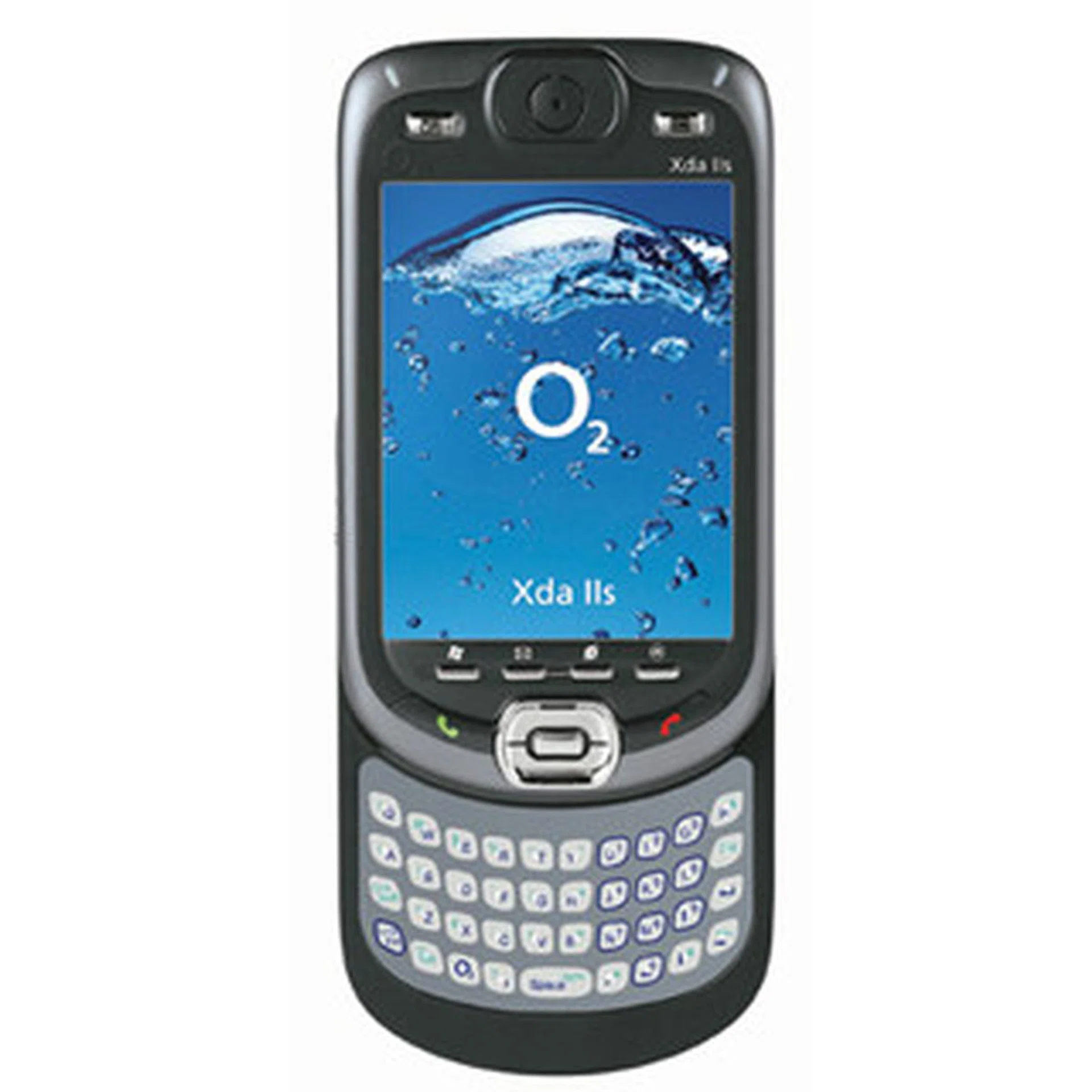
For its time, the O2 series of Pocket PC devices garnered strong support and popularity amongst mobile users who were seeking a portable device that delivered functions that are similar to their own PC. And out came the O2 XDA IIs, which was pretty hefty in both size and price.
2005
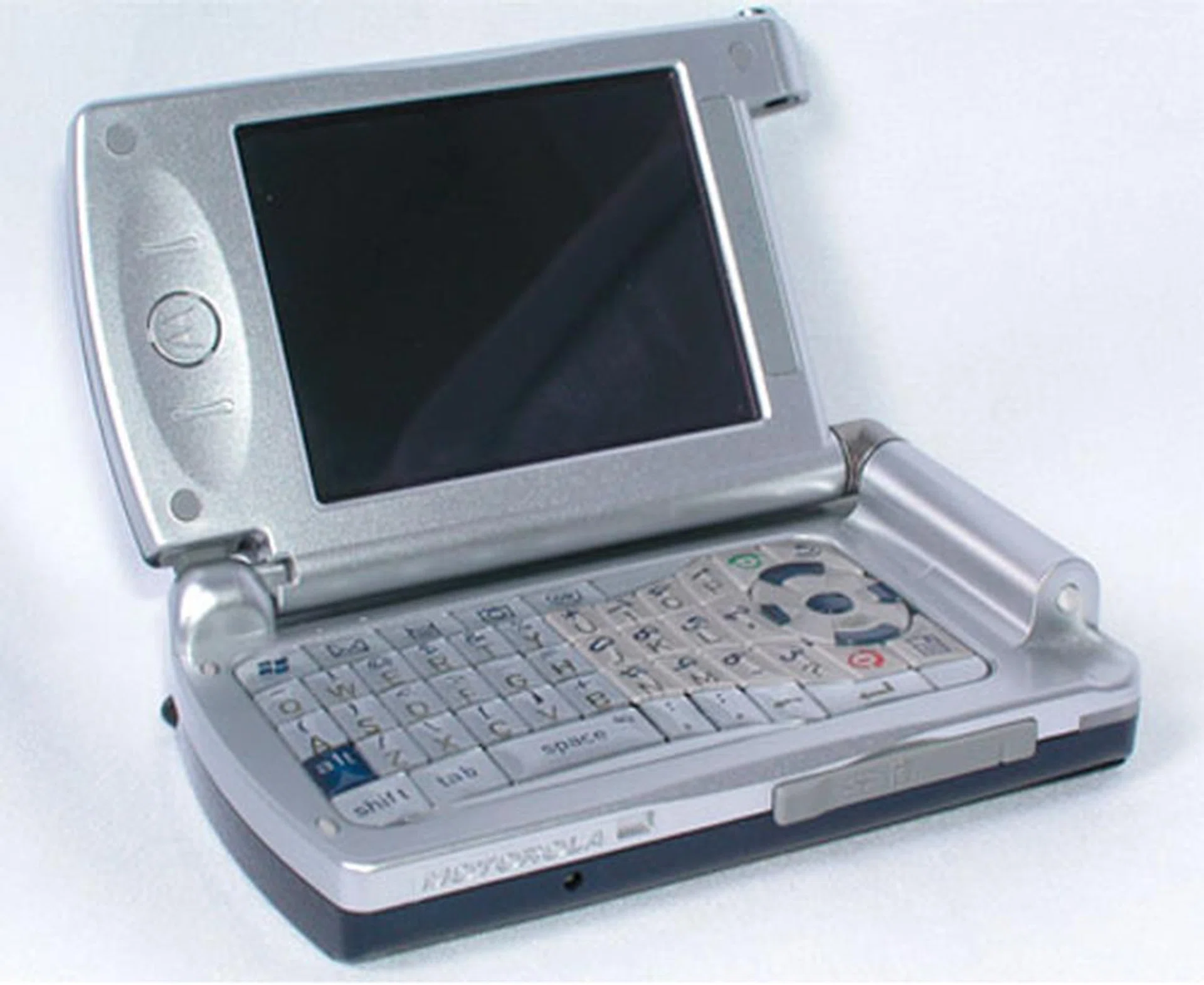
- The Windows Mobile platform, as we have mentioned earlier, was a fast and growing OS that would soon take the mobile world by storm and notably, in 2005, we had the Motorola MPx. Yes, a Motorola device powered by Windows Mobile. Earlier Windows Mobile devices such as the O2 XDA IIs had already introduced the much wanted WLAN 802.11b Wi-Fi connection, which brought about a new age of mobile internet. With the MPx, it was not the features, but the form factor and design aspect found on this phone that made it into our reviews.
*
A double-hinged design that allows you to utilize the Motorola MPx as a clamshell device or in its landscape mode which fits its QWERTY keypad profile perfectly gave the MPx a unique design feature that was unconventional for its time.
- Devices such as the O2 XDA Mini was also the talk of the year with its candy bar form factor that effectively shrunk what was once a chunky piece of mobile computing platform with cellular functions, to a device that's easy on the eyes, the hands and the pockets. Though the memory expansion feature had been around for quite a while, the use of SD cards to further expand your storage capacity on your device created potential to build a mobile phone into a mobile entertainment device.
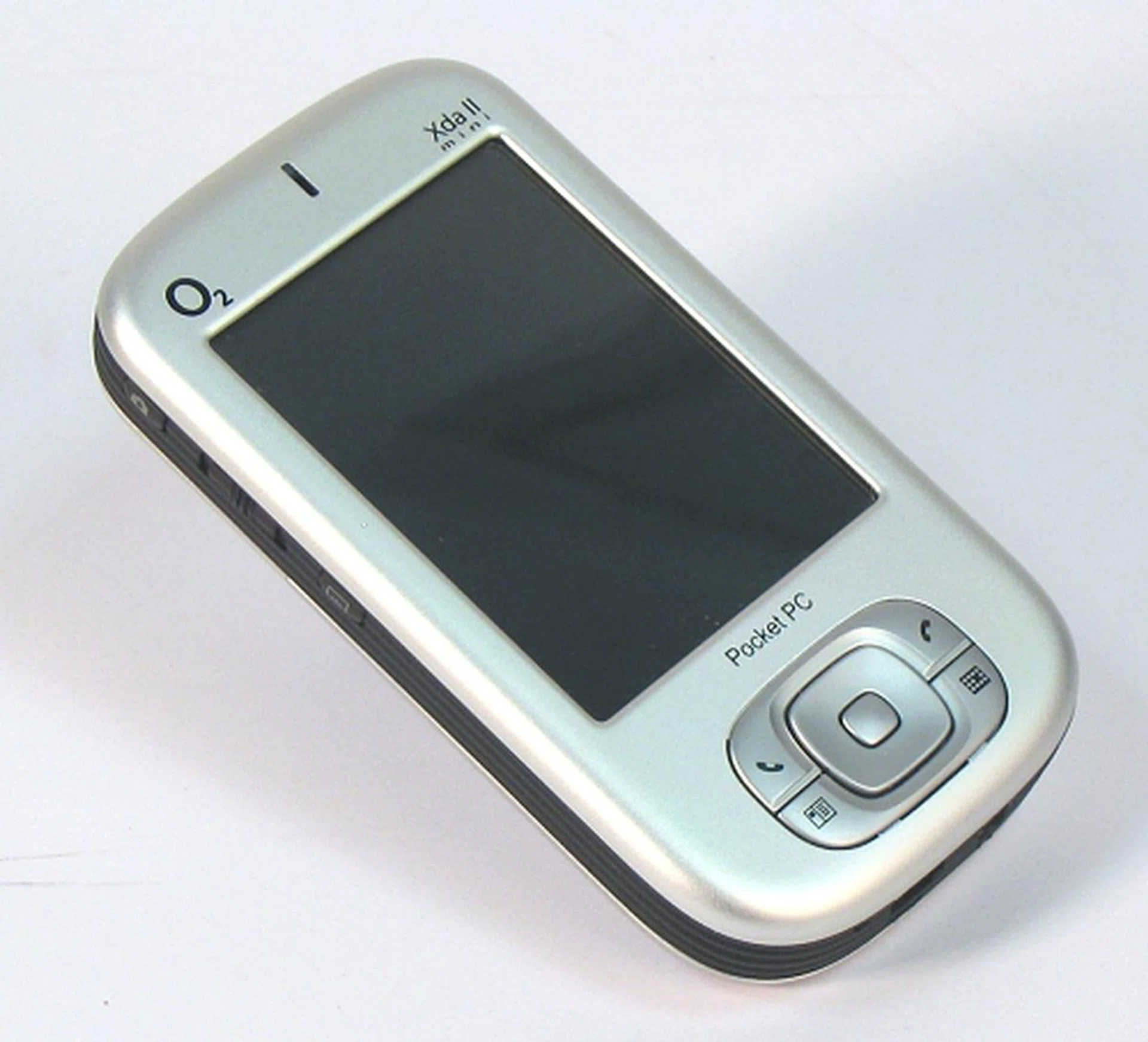
The O2 XDA Mini, though lacking in a few features such as Wi-Fi support, was one of the few devices that has attained a high level of convergence with the help of the Windows Mobile platform back then.
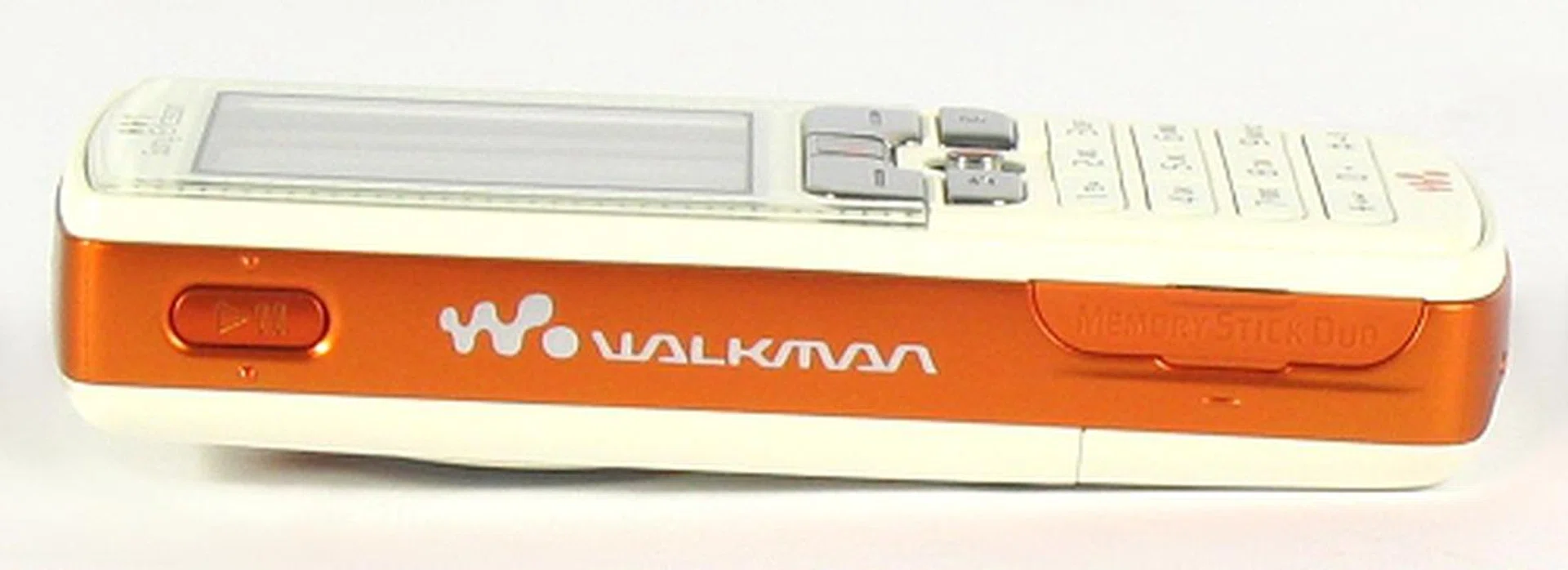
- Lest you think the multimedia aspect hasn't been explored properly, we will now provide you with a series of phones that adopts a popular branding more than 20 years ago. That's right, the Sony Ericsson Walkman series became one of the definitive devices in first decade of the 21st century, bringing music to your ears, on the move. The Sony Ericsson W800i utilized its Walkman moniker and brought attention to its focus in providing audio entertainment to the masses without the need to carry multiple devices at a time when the iPod gained prominence in the consumer electronics market. Of course, memory expansion will be part of the deal, and Sony guarded its interests with the use of its Memory Stick Duo memory cards.
*
The Walkman label was prominent featured. Undoubtedly, it was a good move on Sony Ericsson's part in using a successful label that has managed to convince the masses of its audio prowess over the years.
- Four years ago, the N-series device from Nokia made its appearance with the Nokia N90. And it was a time of rejoice for Symbian users who were then finally able to appreciate the full features that the N90 smartphone possesses. With a 2-megapixel camera with multiple hinge points for you to twist and turn according to your whim, it was the beginning of an approach to capture the mobile phone market, and it definitely did so, but not without the stiff competition that's coming up for them.
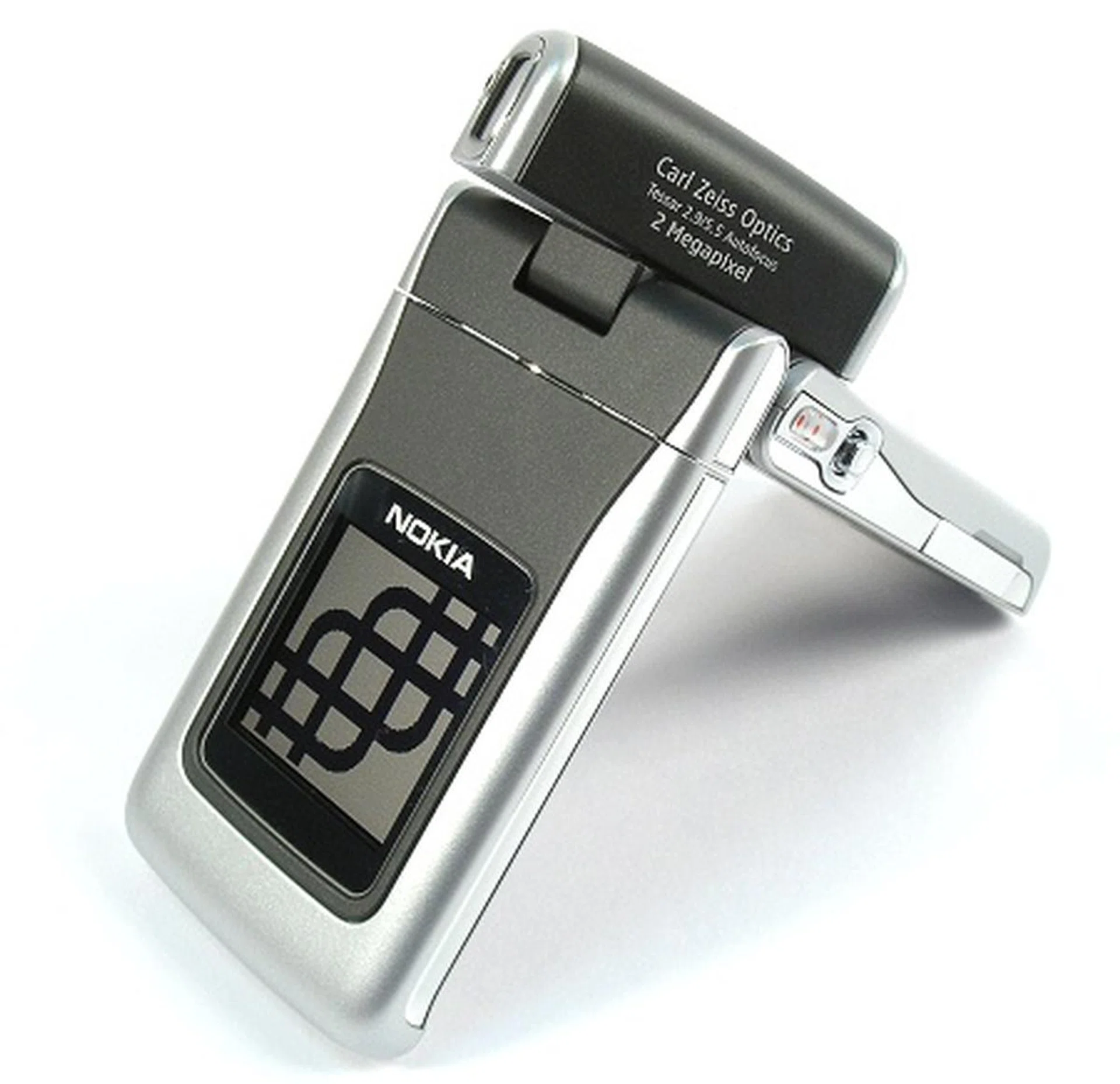
The N-series device, Nokia N90, was the start of convergent devices (we've been mentioning a lot about convergence) that would soon make the distinction between phones and computers much harder to differentiate.
2006
- By 2006, it was inevitable that almost every new phone came with an integrated camera and was able to support multimedia playback in one form or another. Truetones, meaning ringtones that used the MP3 format, had already started back in 2005 amongst the lineups of the year, and at this point in time, the adoption of the 3G network came into place. Promising faster GPRS speeds and a wider coverage that included Japan and Korea that required handset rentals should you be roaming to those two countries, the 3G wave gained a strong following in the years preceding and beyond 2006. Though the imaging sensor has not had a vast improvement then, the Sony Ericsson W900i mobile phone's main focus was audio fidelity, 3G connectivity, and most importantly, smooth video playback.
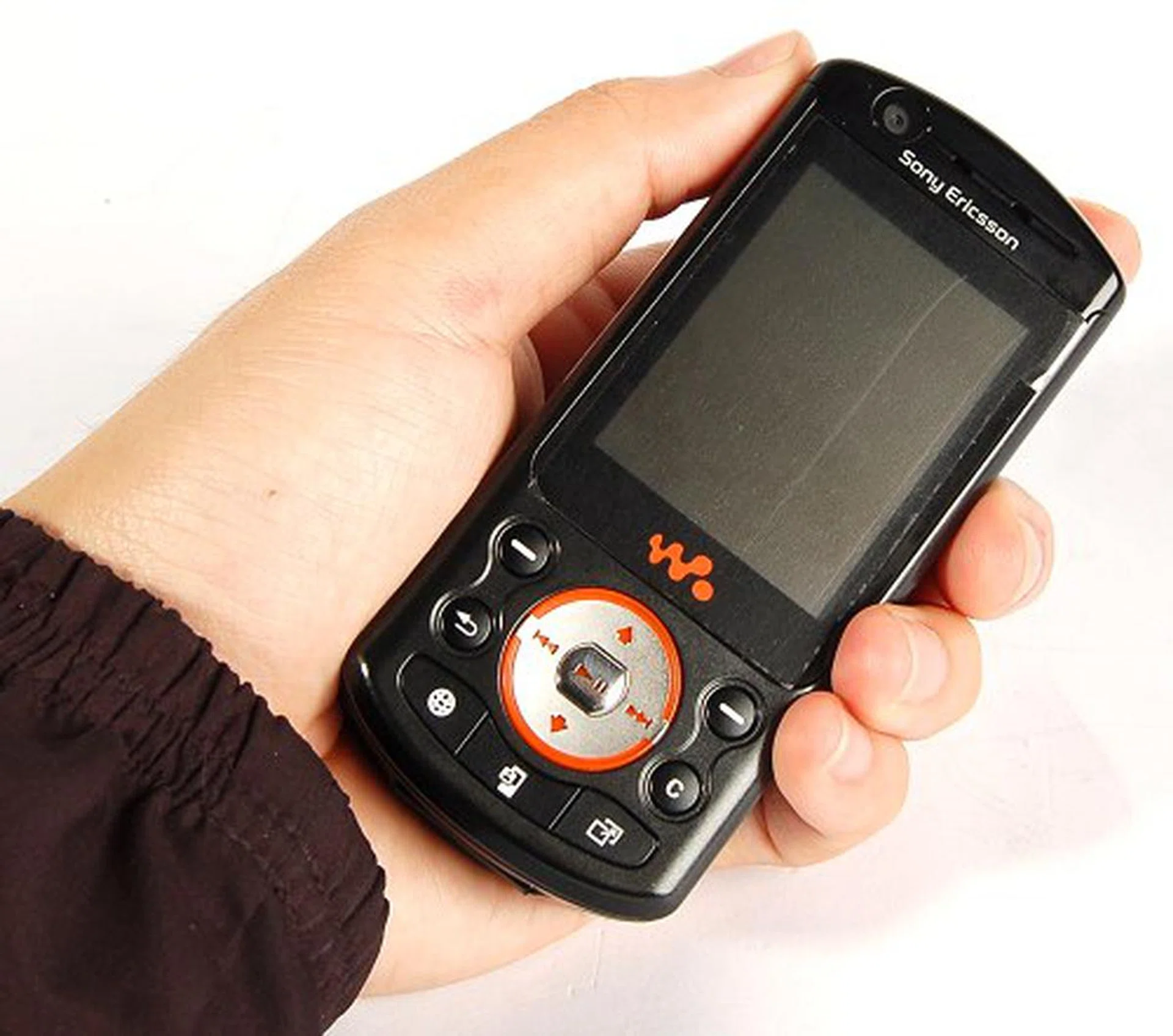
2006 was the 3G year, when mobile devices embarked on the latest cellular network and sprung a whole series of devices to spoil the consumer for choice.
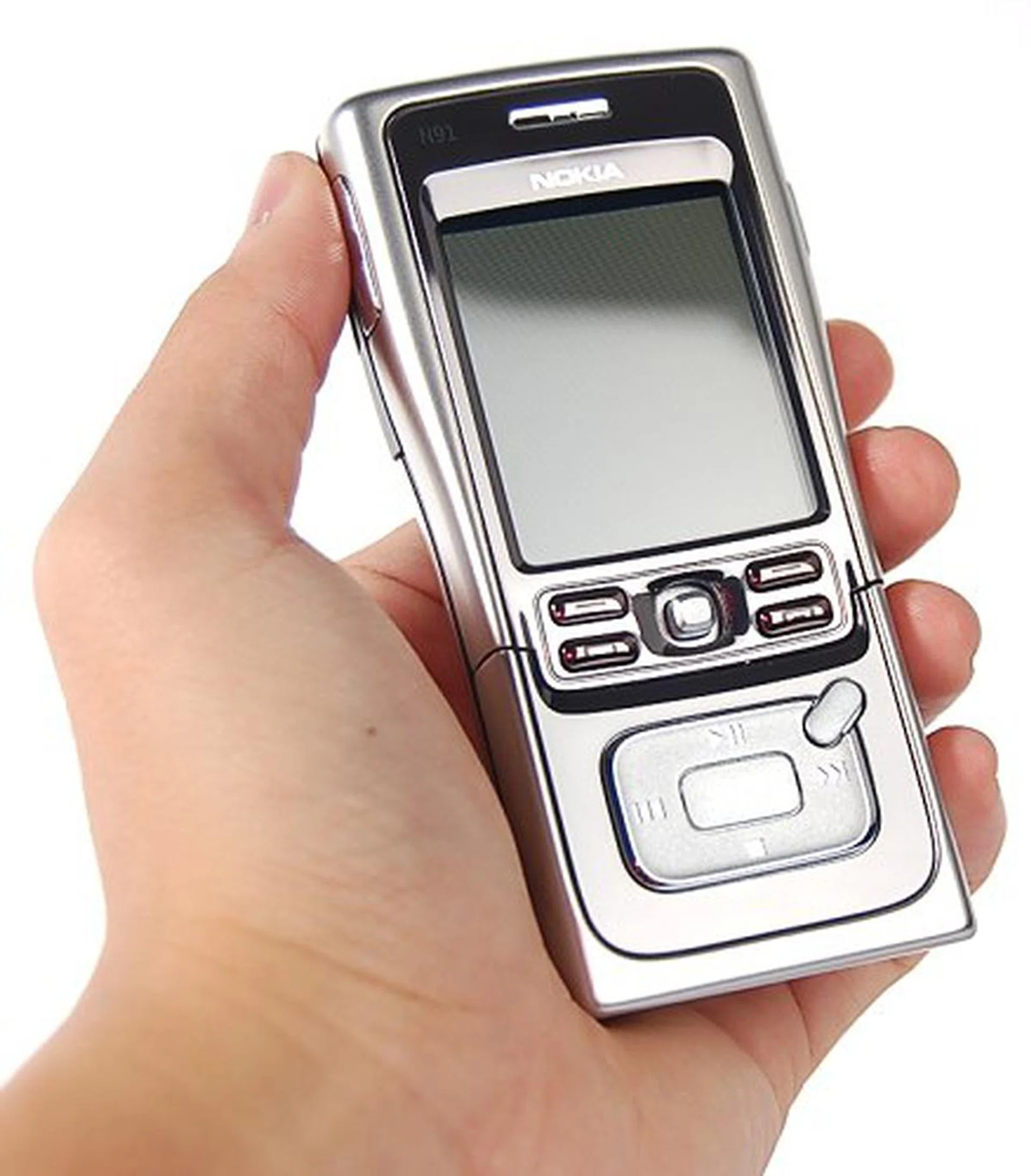
- On the storage aspect, both the Samsung SGH-i300x and the Nokia N91 were one of the first few devices with internal storage of up to 4GB. Yes, that was a whooping 4GB worth of storage capacity that allowed you to store up to 3000 songs, which is also just as impressive if it was for video storage. The mobile entertainment business was definitely taken to a whole new level with the introduction of internal storage on devices that supported a wide variety of audio and video formats. Furthermore, Wi-Fi support on standard mobile phones were becoming widespread and with a strong Wi-Fi infrastructure within Singapore by 2007, this was another defining point of the mobile phone evolution.
*
4GB internal storage, strong support for audio and video playback, and WLAN 802.11b/g Wi-Fi network, USB2.0 and Symbian S60 OS. And this is only the tip of the iceberg, with more to come in the next two years for the Nokia N-series.
- The aesthetic nature of mobile phones has gone through much upheaval and design changes over the years. With the aim to create smaller and thinner phones that would be of no added burden to the user, design considerations were along the lines of lighter phones too. And in this aspect, Samsung embarked on its Ultra Edition series of thin and lightweight phones, such as the Samsung SGH-X820 Ultra Edition.
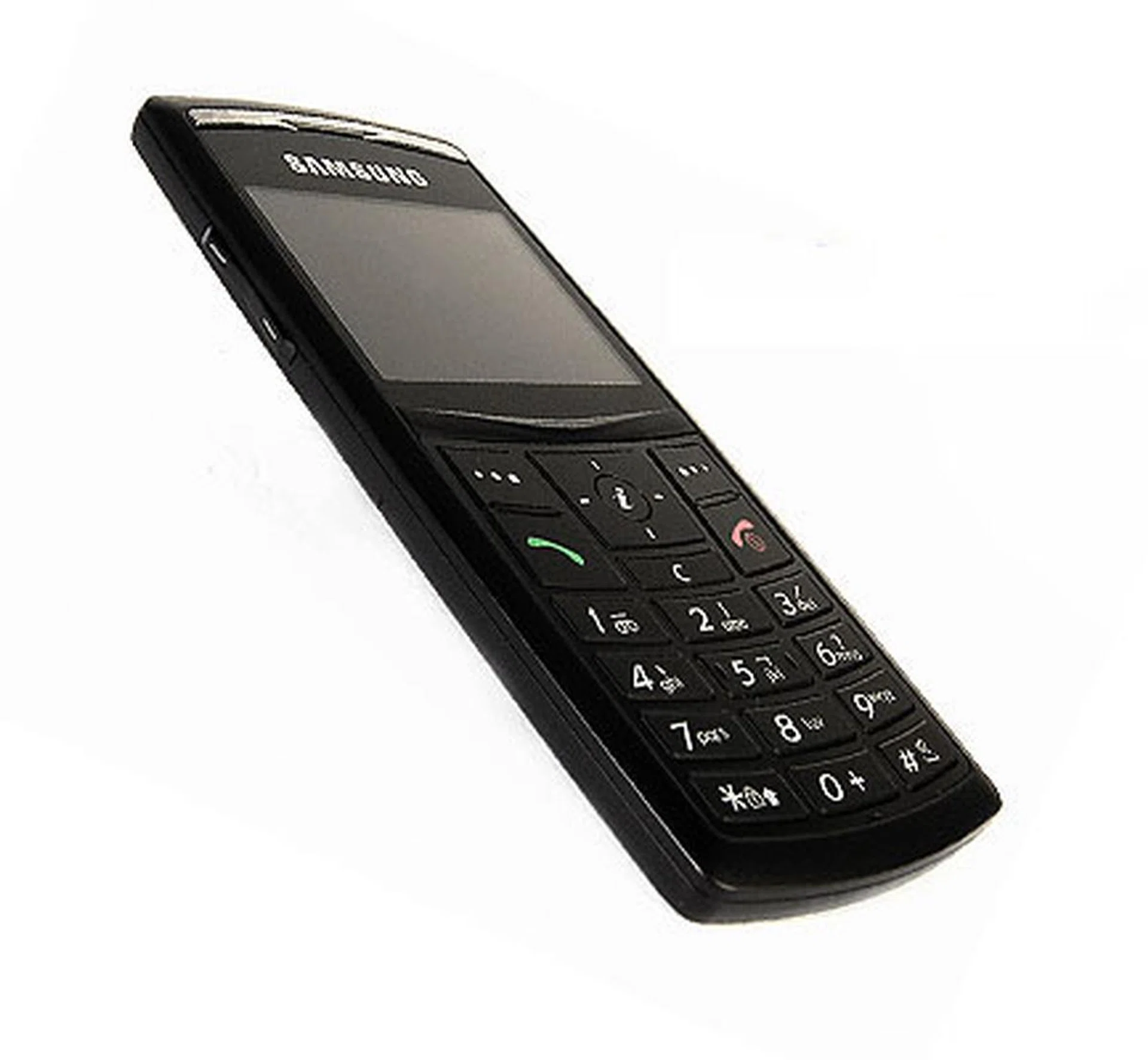
Whilst everyone's packing endless features into their devices, Samsung takes a few approaches to its mobile phone division and with its Ultra Edition lineup, introduces one of the thinnest mobile phones to date, the Samsung SGH-X820 Ultra Edition.
- Not forgetting that cameras remained a top priority amongst consumers, the 5-megapixel race started off, and LG came into the picture with their 5-megapixel offering, the LG KG920.
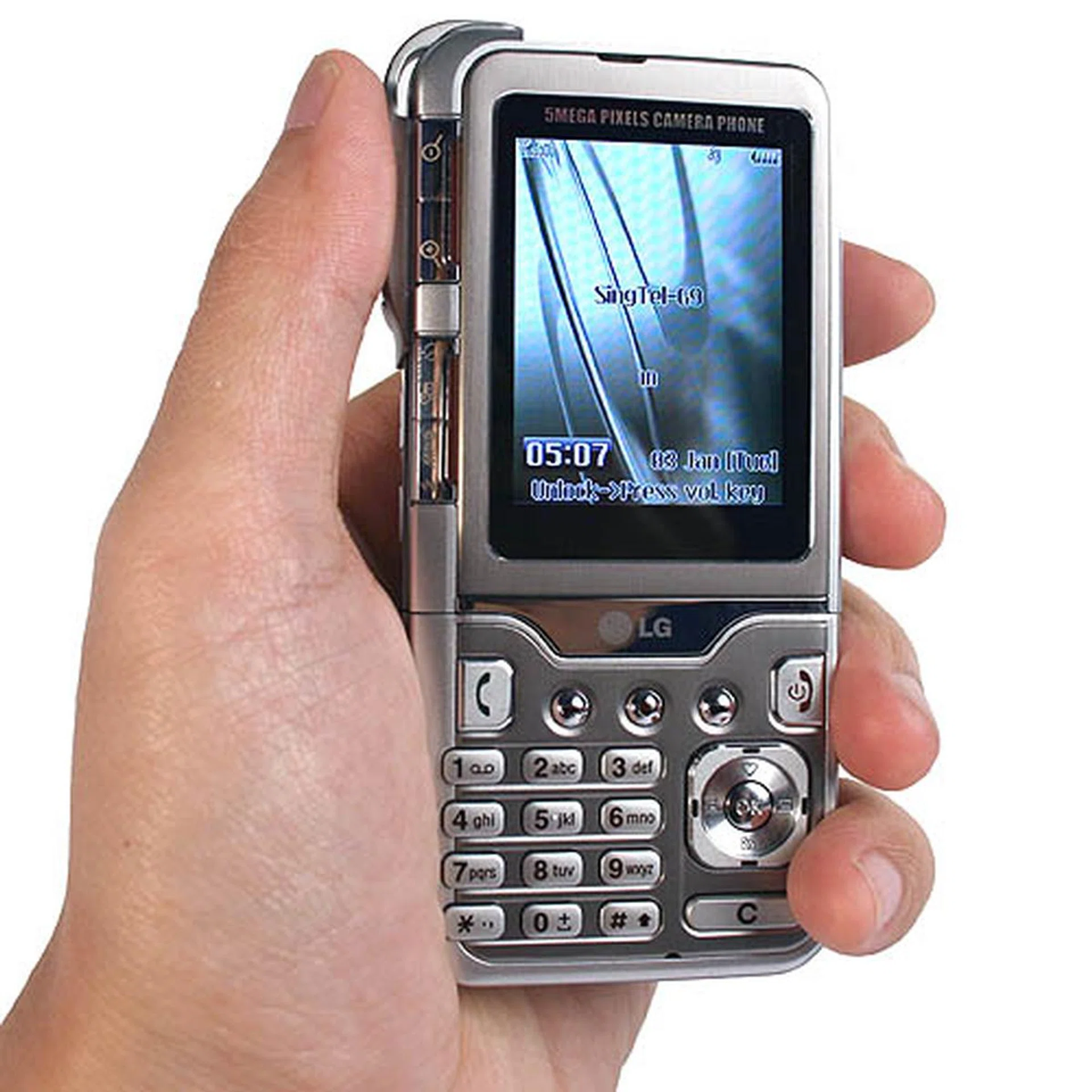
Sparking off another race to the limits, the LG KG920 introduced more pixels, more details, and also more competition in the imaging contest amongst the manufacturing giants.
2007
- A new step up in mobile entertainment was spearheaded by another Nokia N-series device in 2007. One of the more defining and shining moments in Nokia's history would be the introduction of its flagship model in 2007, the (and subsequently, the ). The Symbian S60 smartphone had gained a widespread acceptance and rose up the popularity charts in the first half of 2007, with a score of consumers taking to the features of the N95 such as music, video, 5-megapixel camera with auto-focus, and a feature that would also become a staple in higher-tiered phones, GPS navigation. In bringing GPS functionality into mobile devices, the stakes have been raised for manufacturers who seek to capture the hearts of their customers with feature-packed devices.
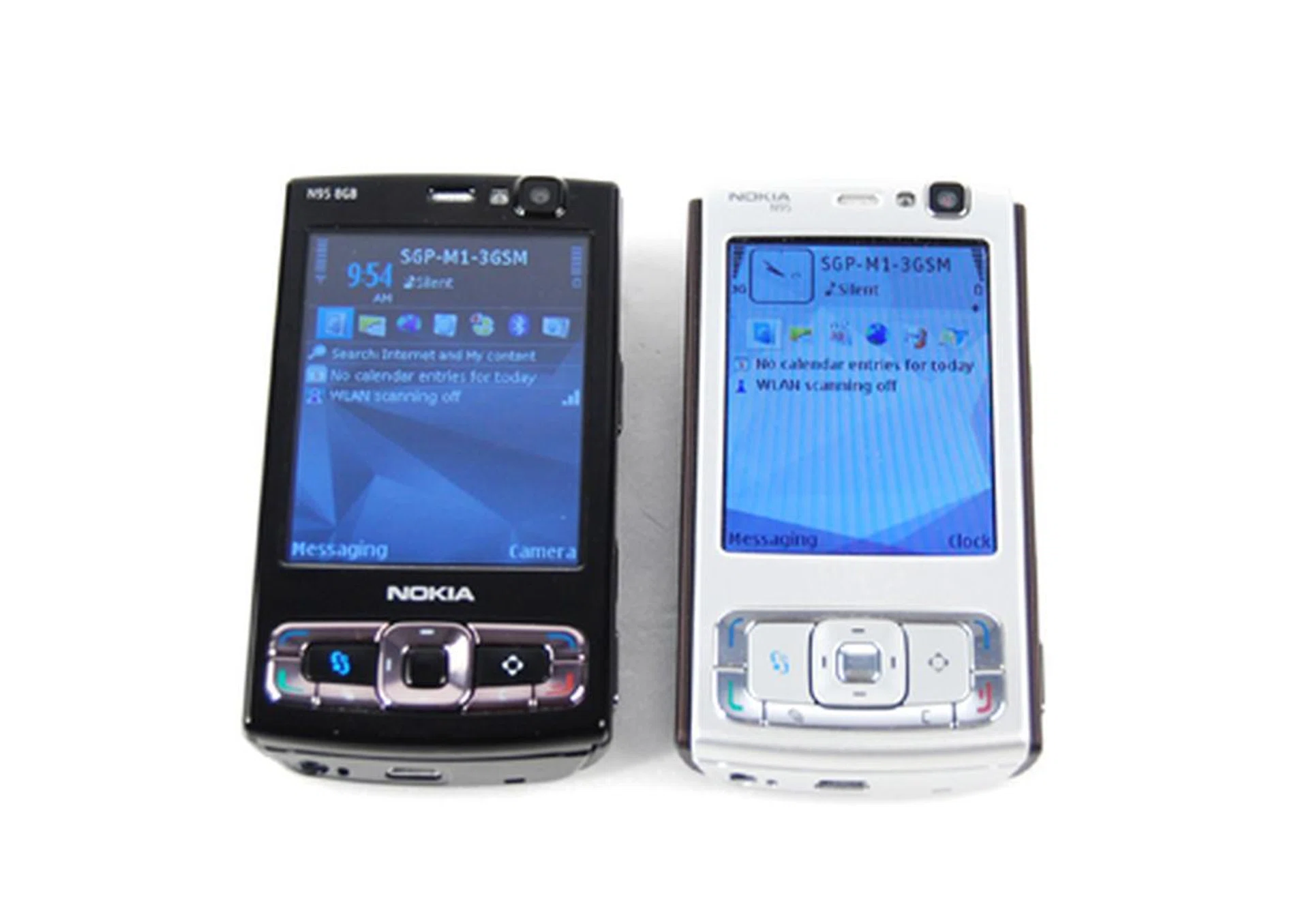
The Nokia N95, though steeply priced, was the definitive Nokia device that delivered almost everything a consumer needed in one single device. At the end of the year, more features were added such as A-GPS and 8GB internal storage on the updated Nokia N95 8GB in a black chassis.
- Fast and furious, that's how the mobile phone evolution was as the years went on. It didn't take too long before the next speed upgrade happened with high speed downlink packet access (HSDPA), which became widely adopted amongst the telecom providers worldwide. With the infrastructure ready for use, devices that supported the new HSDPA network, or more commonly referred to as 3.5G, started popping up in town. PDA phones were one of the first few to feature high speed data downloads on the HSDPA networks, such as the O2 XDA Atom Life . With both HSDPA and Wi-Fi connectivity on your Windows Mobile 5 device, the stage was set for true wireless connectivity to support a new generation of mobile web surfing.
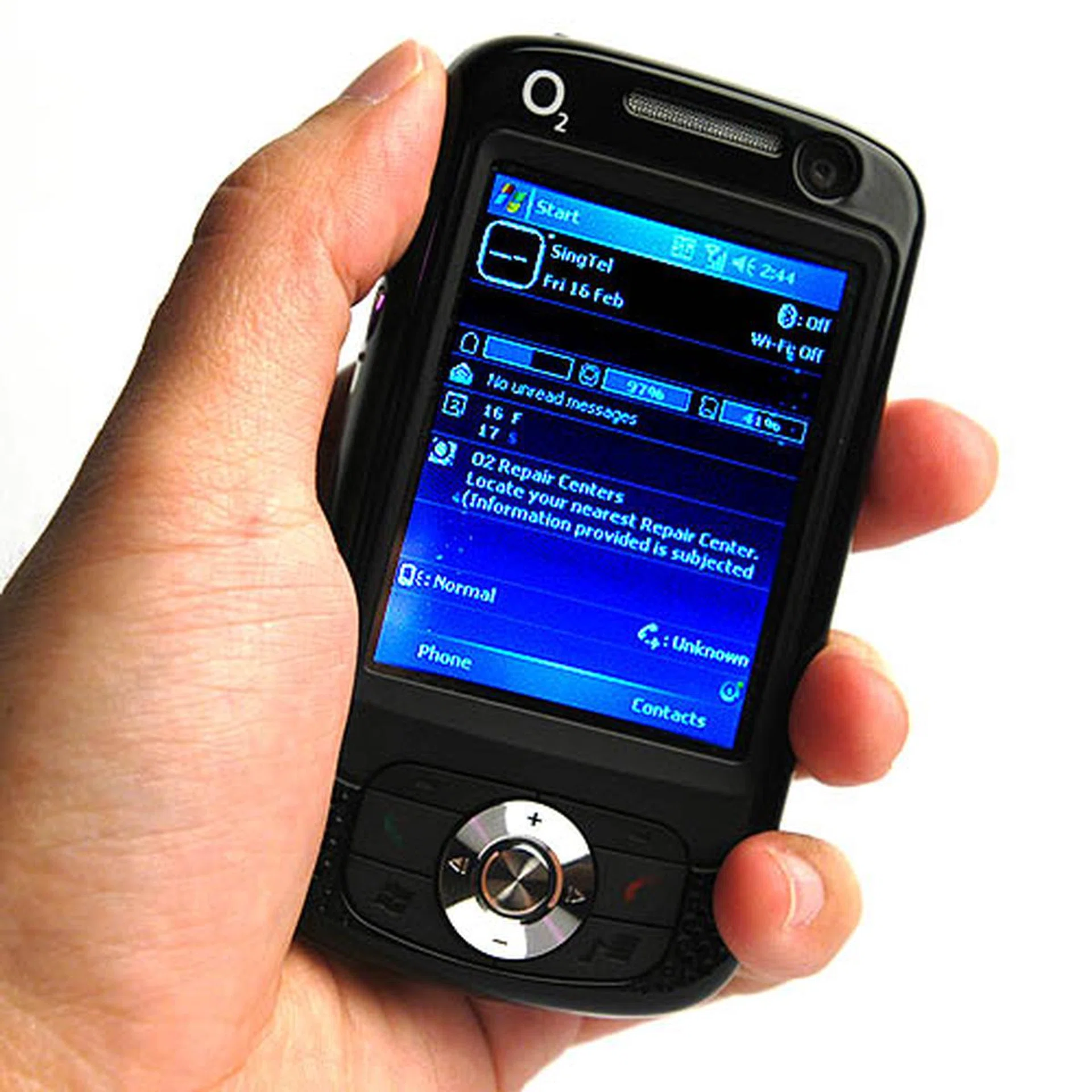
The O2 XDA Atom Life came at a time when wireless connectivity was a top demand for consumers who were looking for a device that is capable of everything conceivable on a PC.
The Windows Mobile user group had by then grew far and wide, and it bode well for Microsoft and its partners to unleash a bevy of Windows Mobile products to the market. But more importantly, 2007 also saw the introduction of a few new kids on the block. And the one product that was able to represent the changes was the . The HTC brand was widely known for its OEM support for the previous Dopod group that gave us the Dopod D810 in that same year, with many others before it. With the integration of the Dopod organization under HTC's wings, it ushered in new, strong competition for the pioneers such as HP and O2 who had created a strong presence in the Asia Pacific market - until now. More importantly, the Windows Mobile platform saw a new update to its sixth version, Windows Mobile 6, on the HTC Touch at the same time.
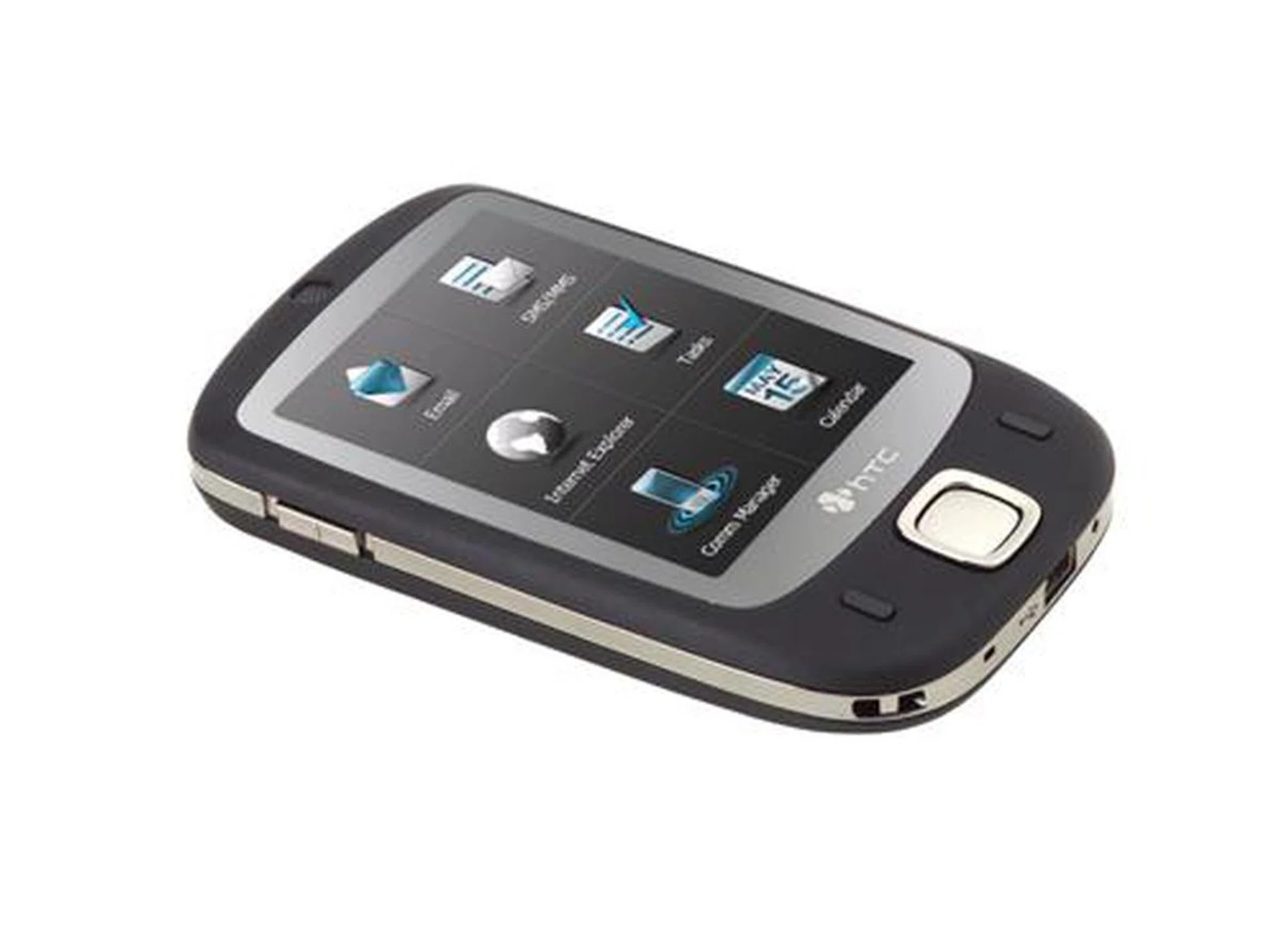
The HTC Touch, as its name implies, brings a new sensation to the user with its TouchFlo interface. But this was not the only touch screen device that made the headlines in 2007.
- Undoubtedly, the device that stole the thunder for the year was a nifty little gadget hailing from the Cupertino-based company. It was a class on its own, unlike any other mobile device at that time. It was revolutionary, and won Time magazine's Invention of the Year award. It didn't have 3G network functionality that has already been widely accepted in the region, but it still got strong sales numbers during its launch on 29th June 2007. Need more clues? The picture says it all:
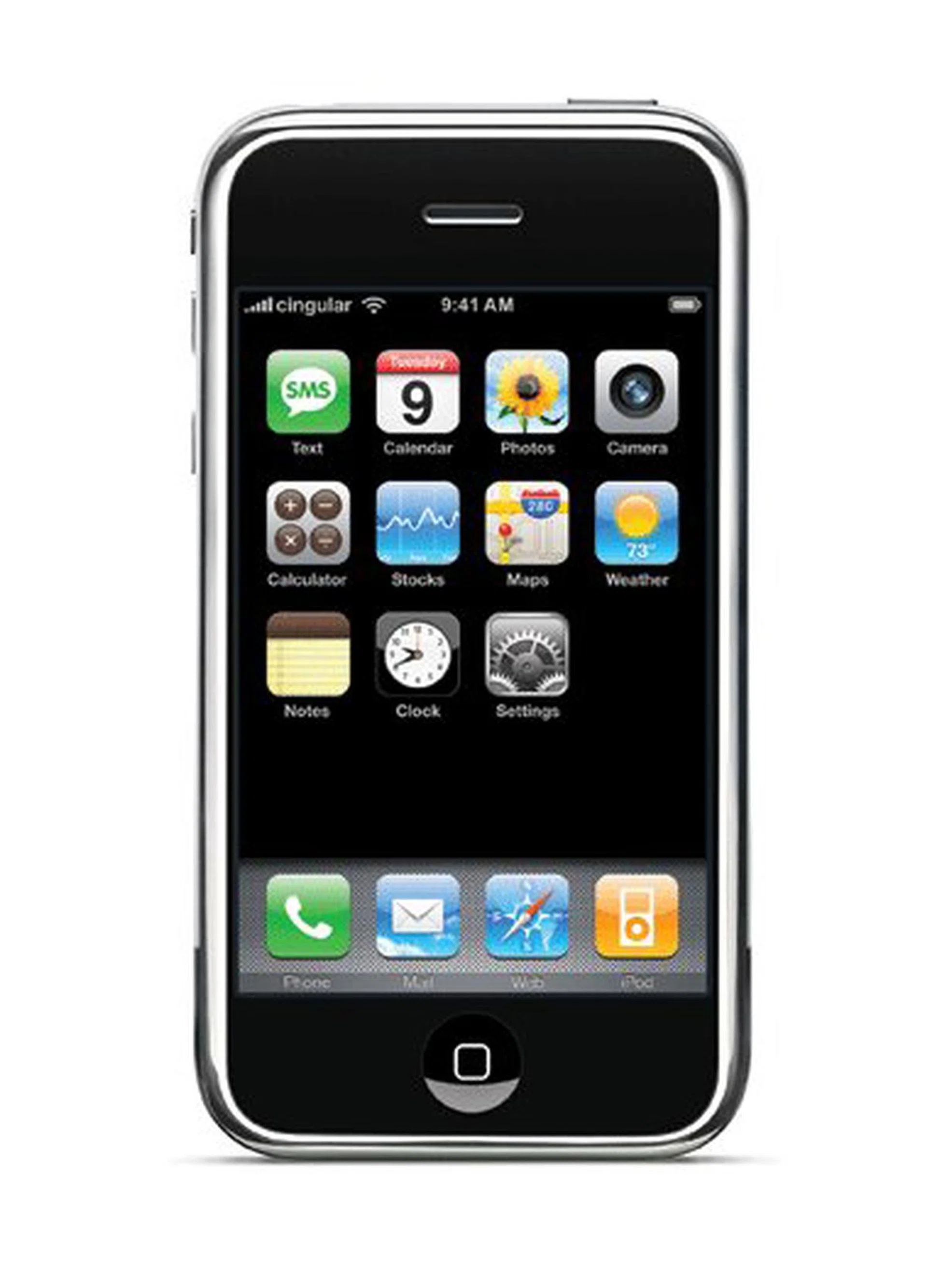
The phone that stole the thunder for the year. The Apple iPhone. Unfortunately, officially, it was out of our reach. But it won't be in the year 2008.
2008 and Beyond
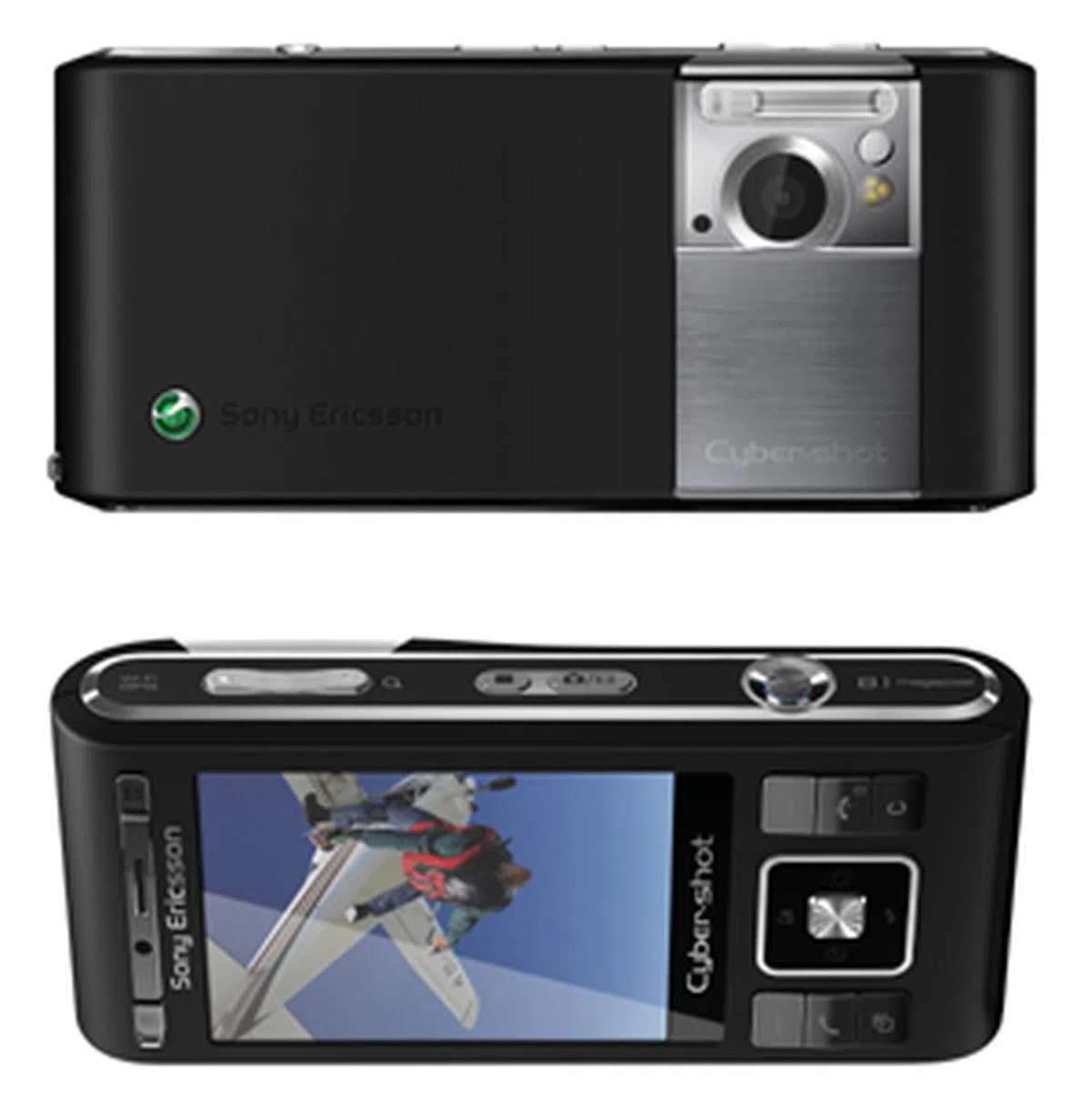
- The road has been a long, yet fruitful one for us at www.hardwarezone.com and our fellow readers who have been following our adventures in the tech world for just as long. The technological standards are now in place, and the plethora of devices that come with GPS, Wi-Fi, integrated cameras of at least 3.2 megapixels in resolution, and many others have become a common sight. In a short span of seven months, consumers have gone through a rollercoaster ride with the introduction of newer and more powerful devices. With 5-megapixel cameras on track, devices are now closing the gap between dedicated digital cameras and camera phones, and moving one up, there are the 8-megapixel cameraphones coming right up, notably the Sony Ericsson Cyber-shot C905 as reported in our , and the Samsung INNOV8 8-megapixel camera.
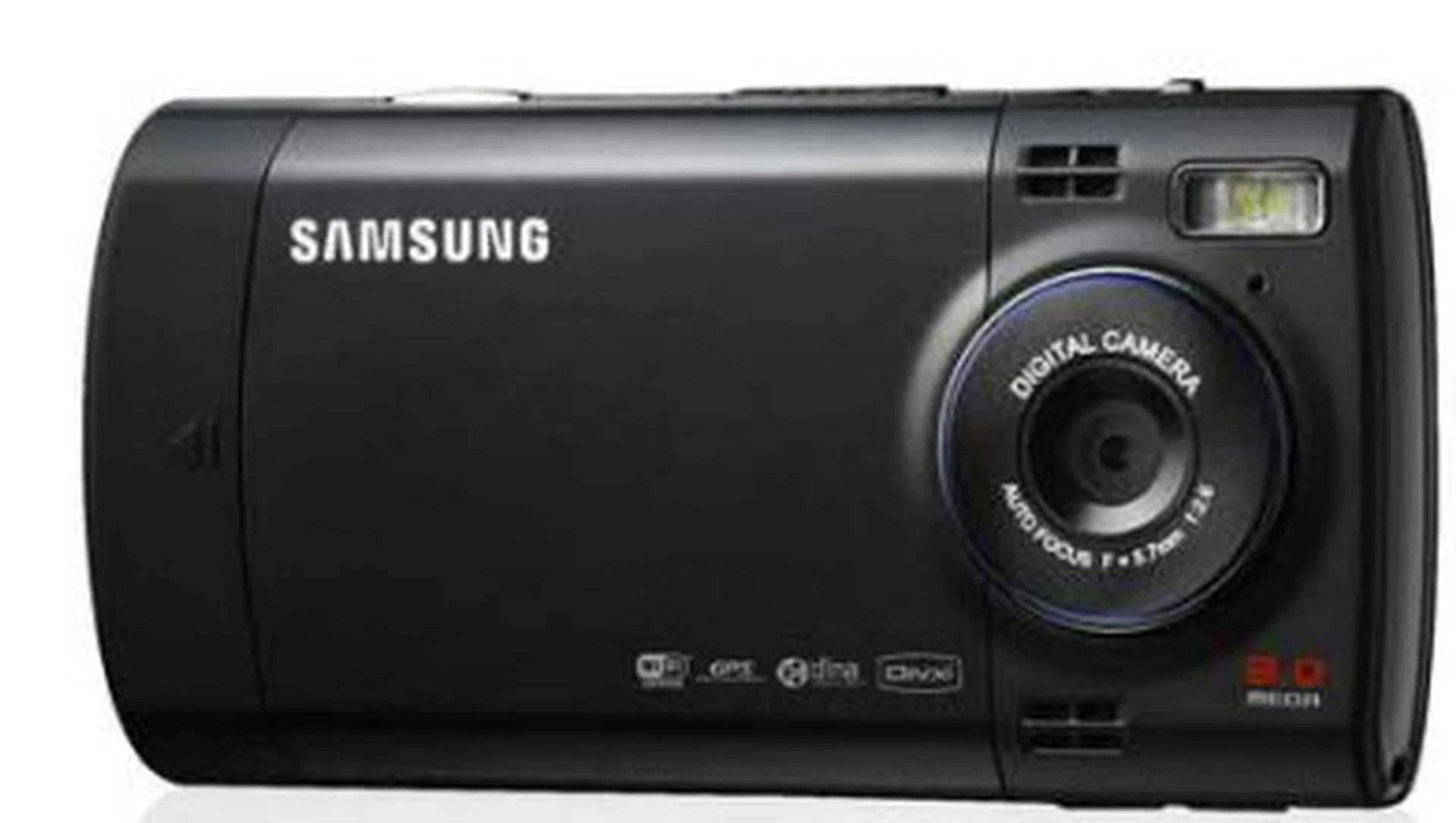
The Samsung INNOV8, powered by the Symbian S60 platform, will be one of the first few devices with an integrated 8-megapixel camera that eliminated the distinction between camera phones and dedicated compact digital cameras.
- On the Windows Mobile front, just one year after the launch of the Windows Mobile 6 platform, Microsoft pushed for an intermittent update with the introduction of the Windows Mobile 6.1 platform in the earlier half of 2008. Notably, the 6.1 version adopts a makeover for the smartphone category, making it even more intuitive to use. As with last year, the Windows Mobile 6.1 platform is introduced in tandem with product launches, and HTC brings in a new wave of innovation with the and the all improved TouchFlo interface now dubbed as the .
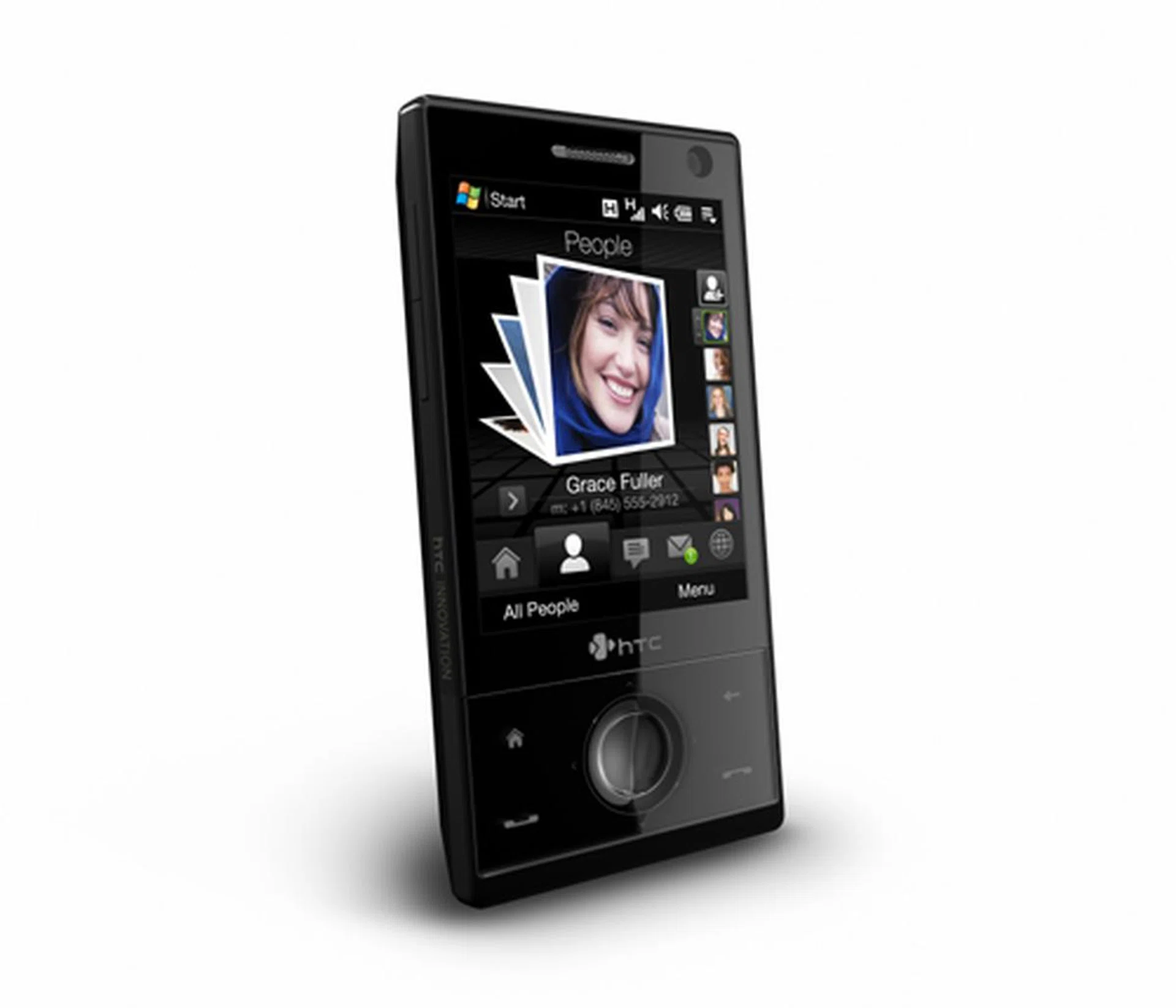
Windows Mobile 6.1, TouchFlo 3D and a VGA screen on the Touch Diamond. In a year's time, HTC's presence in the Asia Pacific market has grown tremendously and brought smiles to the consumers.
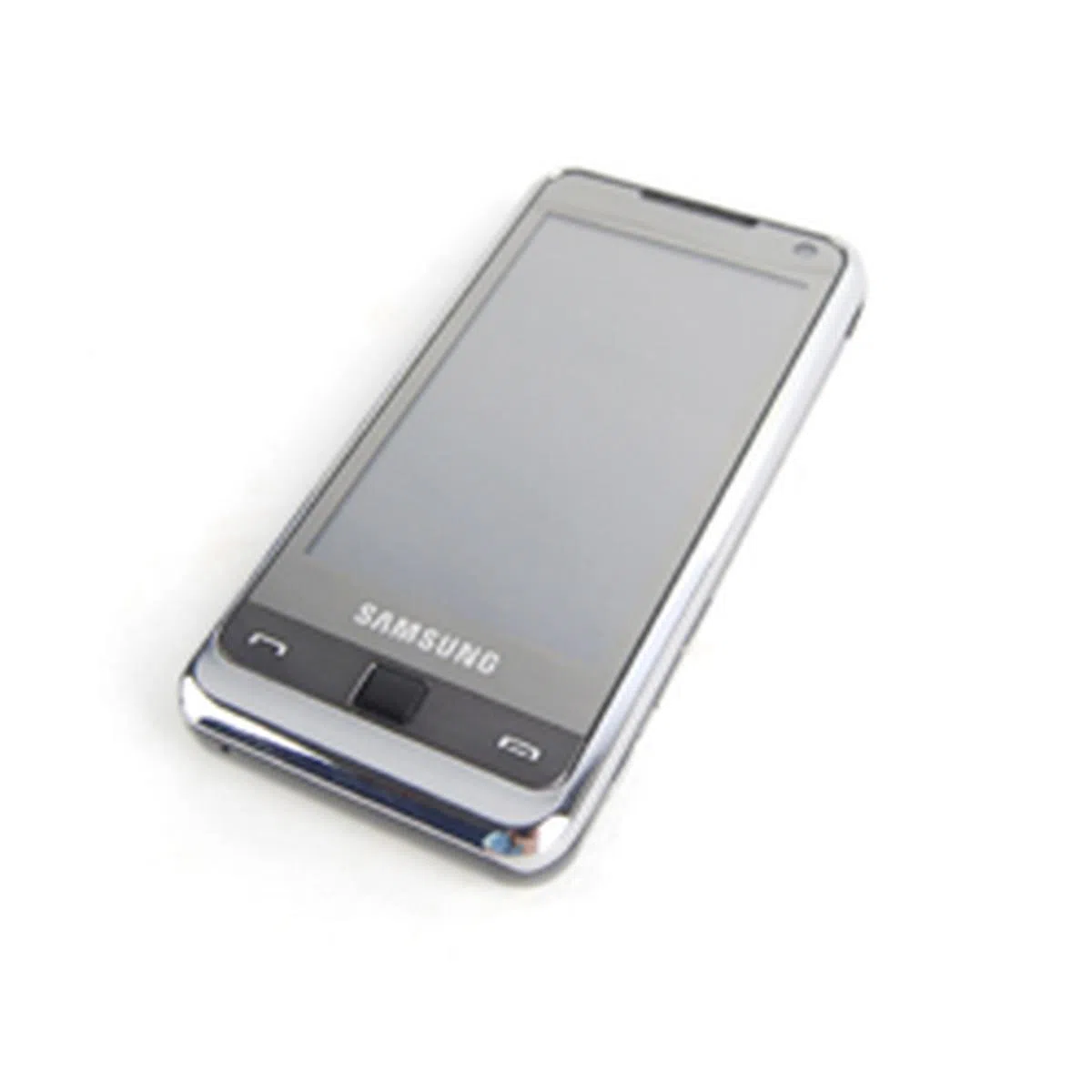
- Focus on storage capacity came back into the limelight with appropriate offerings from major manufacturers. With the HTC Touch Diamond, it had 4GB of internal storage - been there, done that. But, with Samsung and Nokia, the story is so much different with the and Nokia N96, both equipped with 16GB worth of internal storage and comes with external memory expandability. The real reason for huge storage capacities? To enjoy your music and movies on-the-go. DivX support on the Omnia, WMV playback capabilities on the N96 and DVB-H too when the standard comes to fruition in the region, these are only the precursor of things to come beyond the next few months.
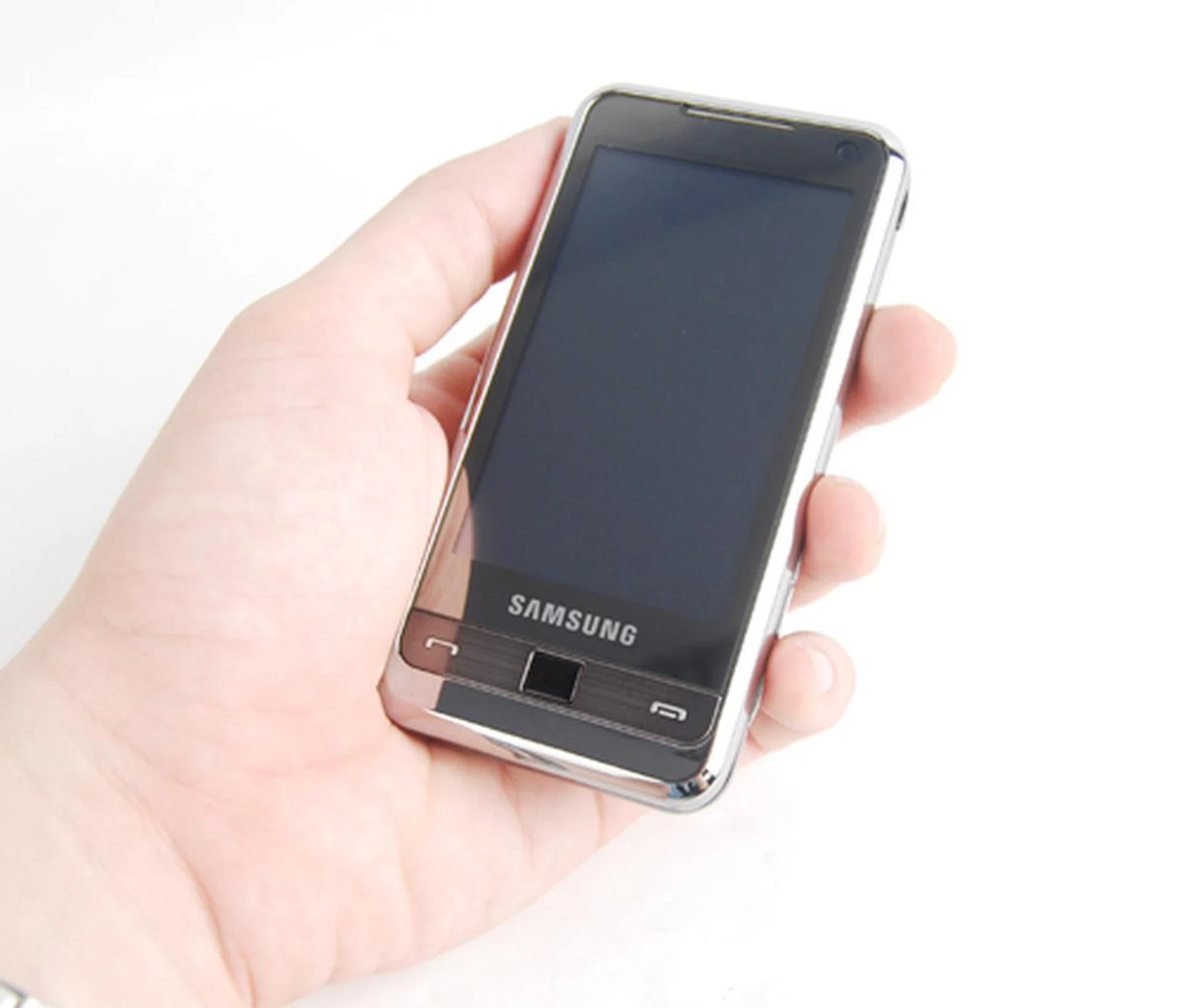
The Omnia's generous screen real estate will definitely enhance the video experience during your daily commute. And in close contention by the end of August...
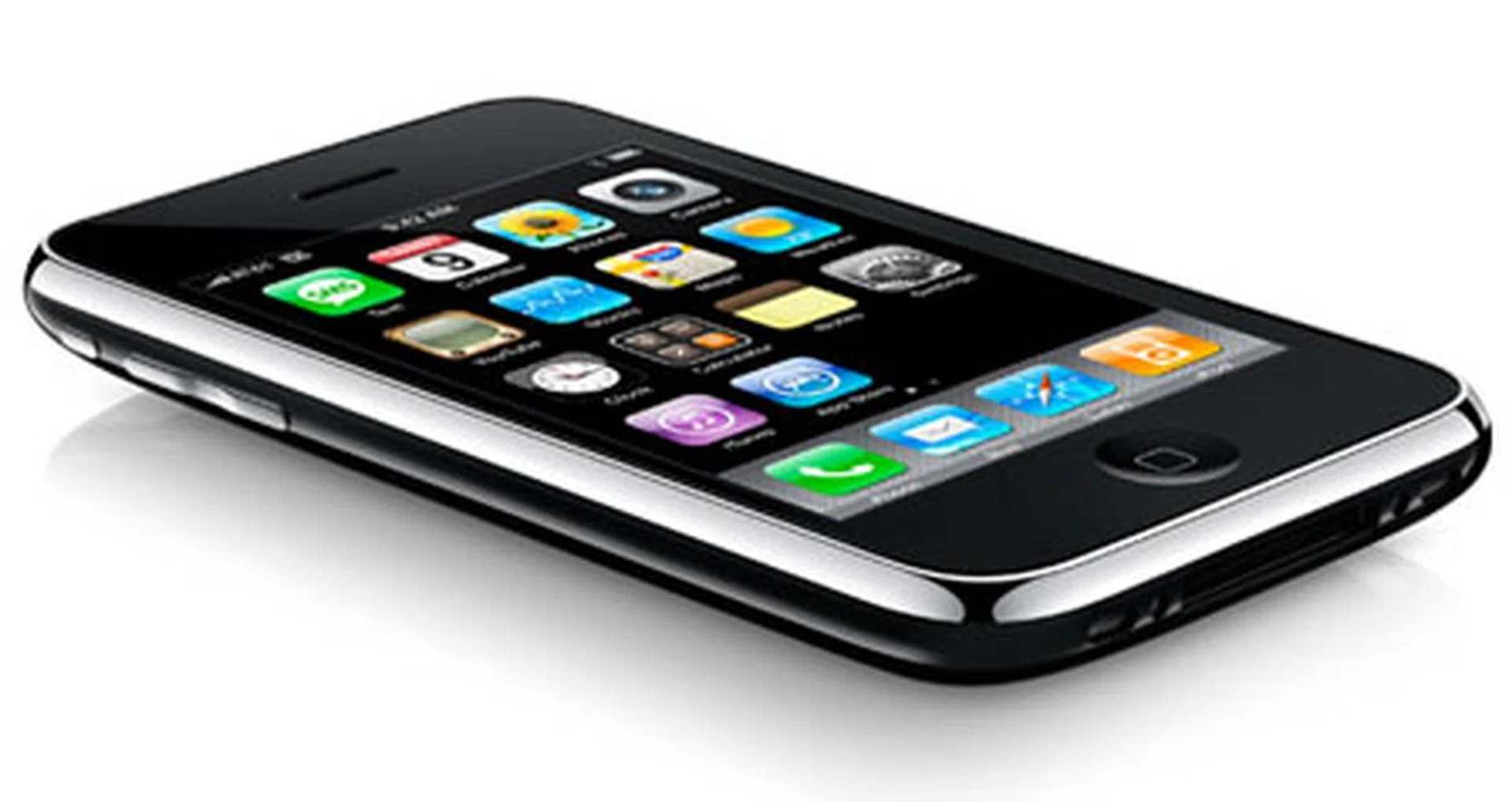
...there's the iPhone 3G that has been the talk of the town since the beginning of 2008. And yes, this time, it officially came to Singapore for our grubby little hands to lay on. Judging from the sales figures it made just in the short months leading to the end of 2008, the iPhone 3G was a hit here.
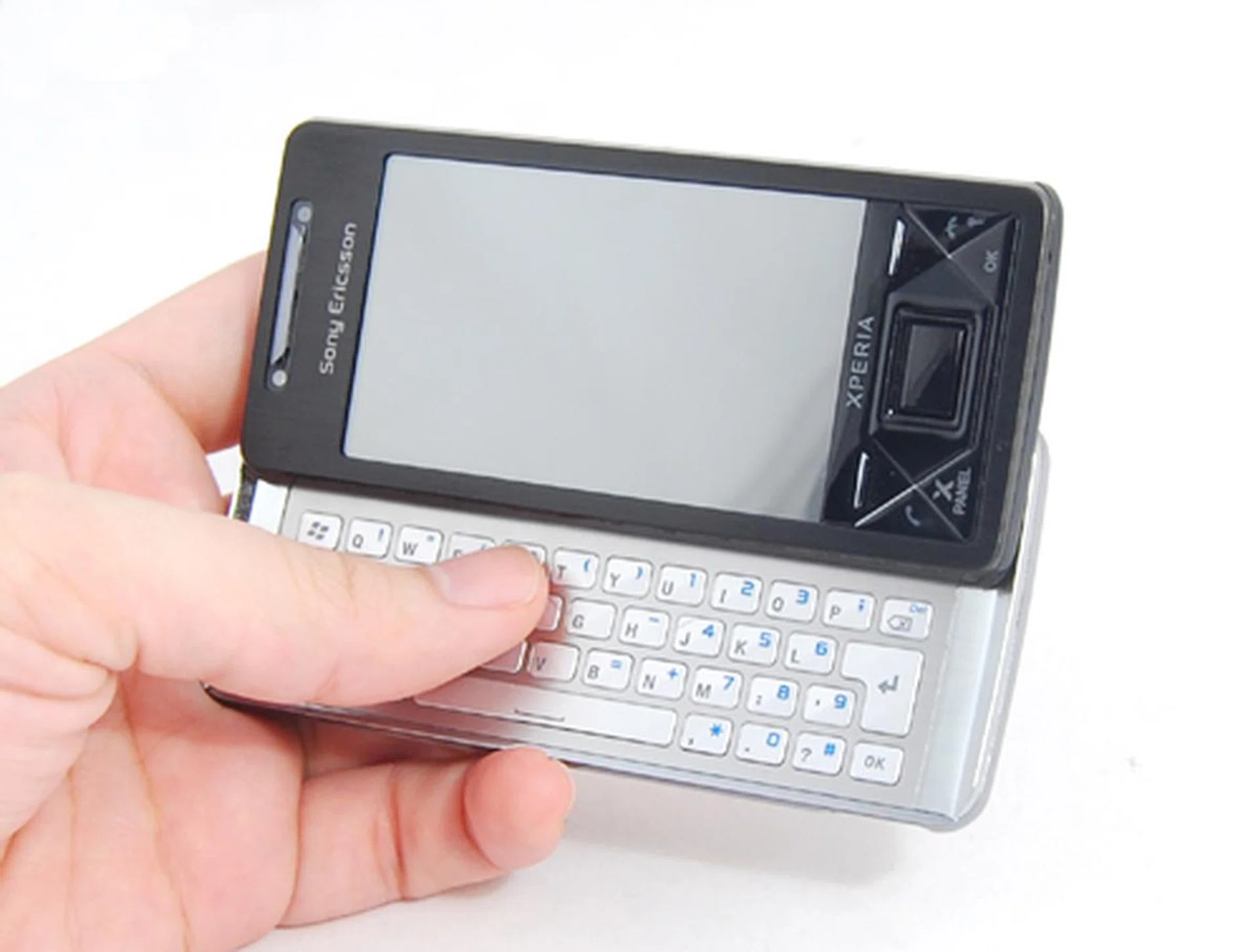
Devices such as the HTC Touch HD and the Sony Ericsson Xperia X1 (above) are perfect examples of how the mobile devices have slowly encroached onto the multimedia scene with its larger than 3.0-inch displays with VGA resolutions.
- As we reach the closing of a decade of mobile phones in review, the expectations are high for the future development of the mobile phone market. While hardware developments are just as exciting, the real center of attention in 2009 is the rise of mobile internet services. Various examples are abound, such as the Nokia Music Store that promises millions of music tracks for download, and Nokia's Comes with Music, the unlimited music download service.
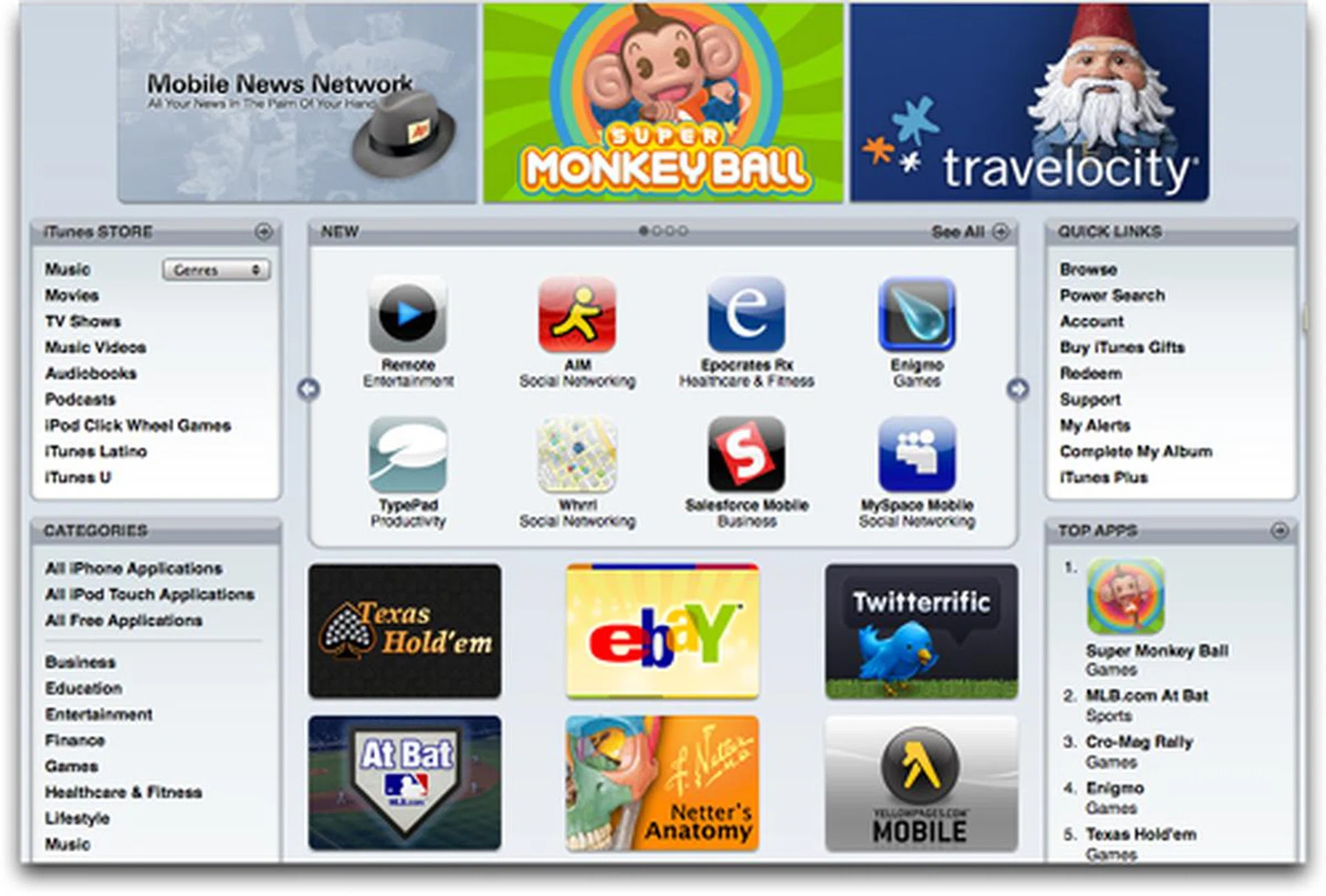
Apple's iTunes App Store is the herald of what's to come for mobile devices and its integration with the web. Taking a two-pronged approach, we will be seeing manufacturers focus on not only the hardware development, but also the software front.
- Apple has also made great strides in creating a strong presence for application purchase on the iPhone 3G, and by now, the iPhone App Store has broken the one billion download mark. This will be followed closely by Google and Microsoft's same move into the market with both the Android Market and Windows Marketplace. On the OS front, Windows Mobile 7, Google Android and the S60 V5.0 OS are on the horizon. Add to that are the rise of the 8-megapixel cameraphones and the anticipation level is at an all-time high for both ourselves at www.hardwarezone.com and consumers alike. Exciting times to come? We think so too. In ten years down the road, we may just reminiscence once more of the good old times.
Meanwhile, stay tuned to www.hardwarezone.com as we continue to bring you the best of consumer technology.
Our articles may contain affiliate links. If you buy through these links, we may earn a small commission.